Still Point
At the still point of the turning world. Neither flesh nor fleshless;
Neither from nor towards; at the still point, there the dance is,
But neither arrest nor movement. And do not call it fixity,
Where past and future are gathered. Neither movement from nor towards,
Neither ascent nor decline. Except for the point, the still point,
There would be no dance, and there is only the dance.
T. S. Eliot
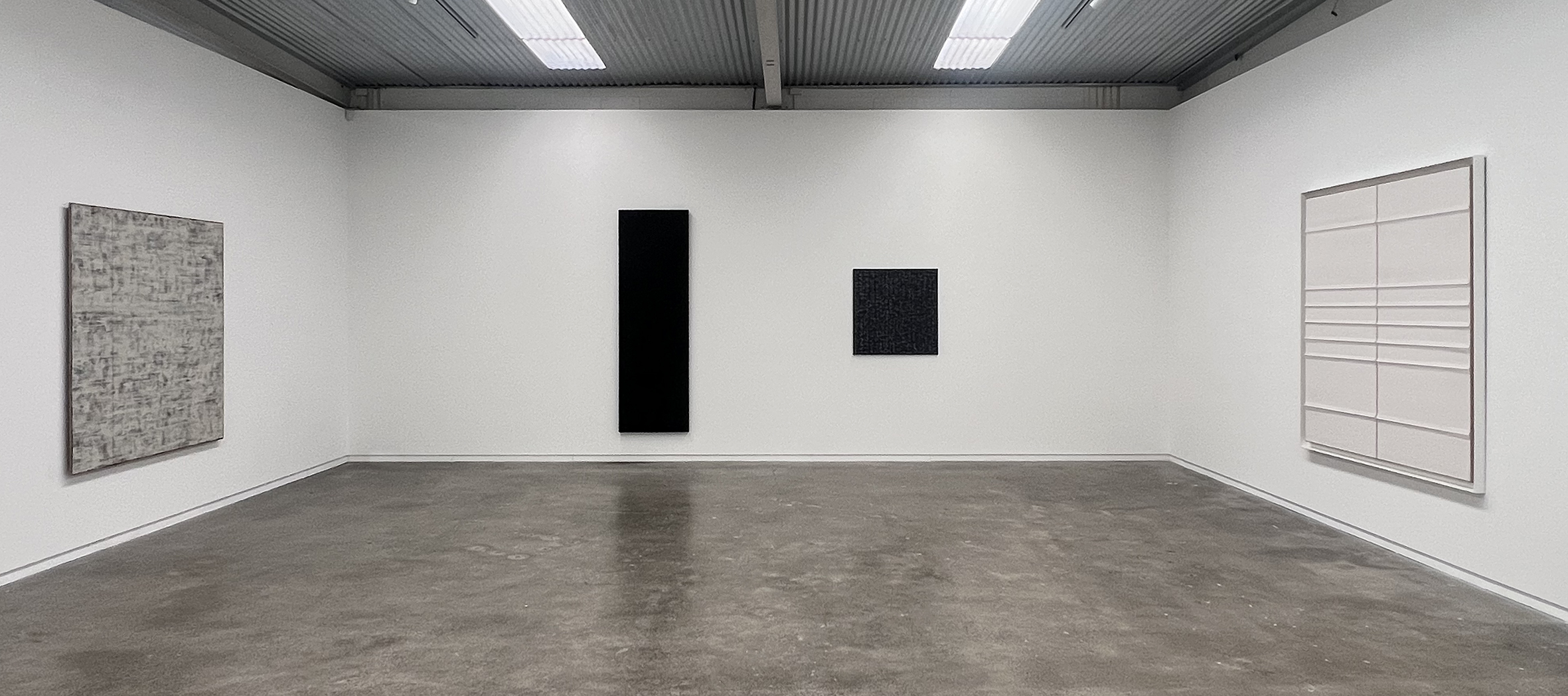
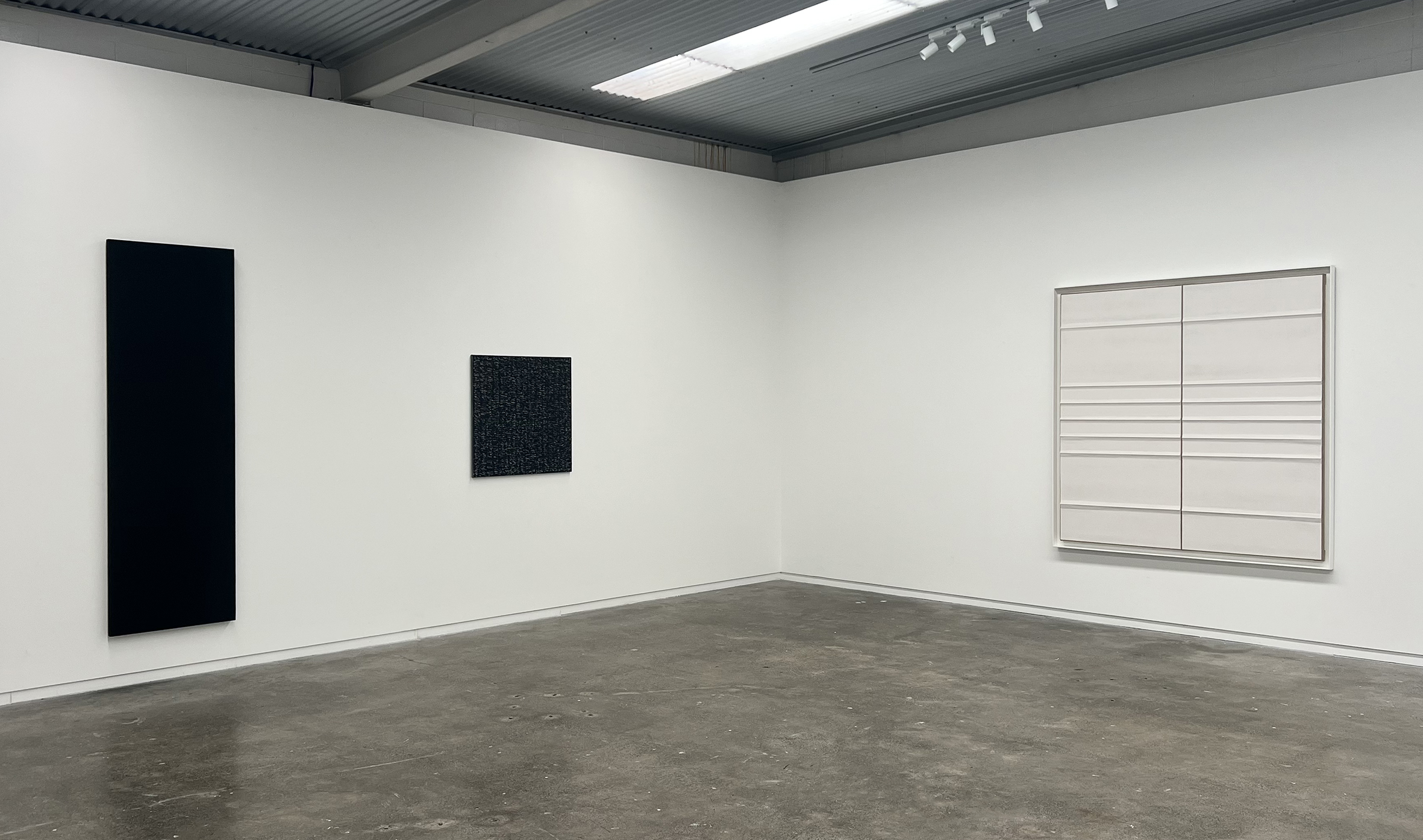
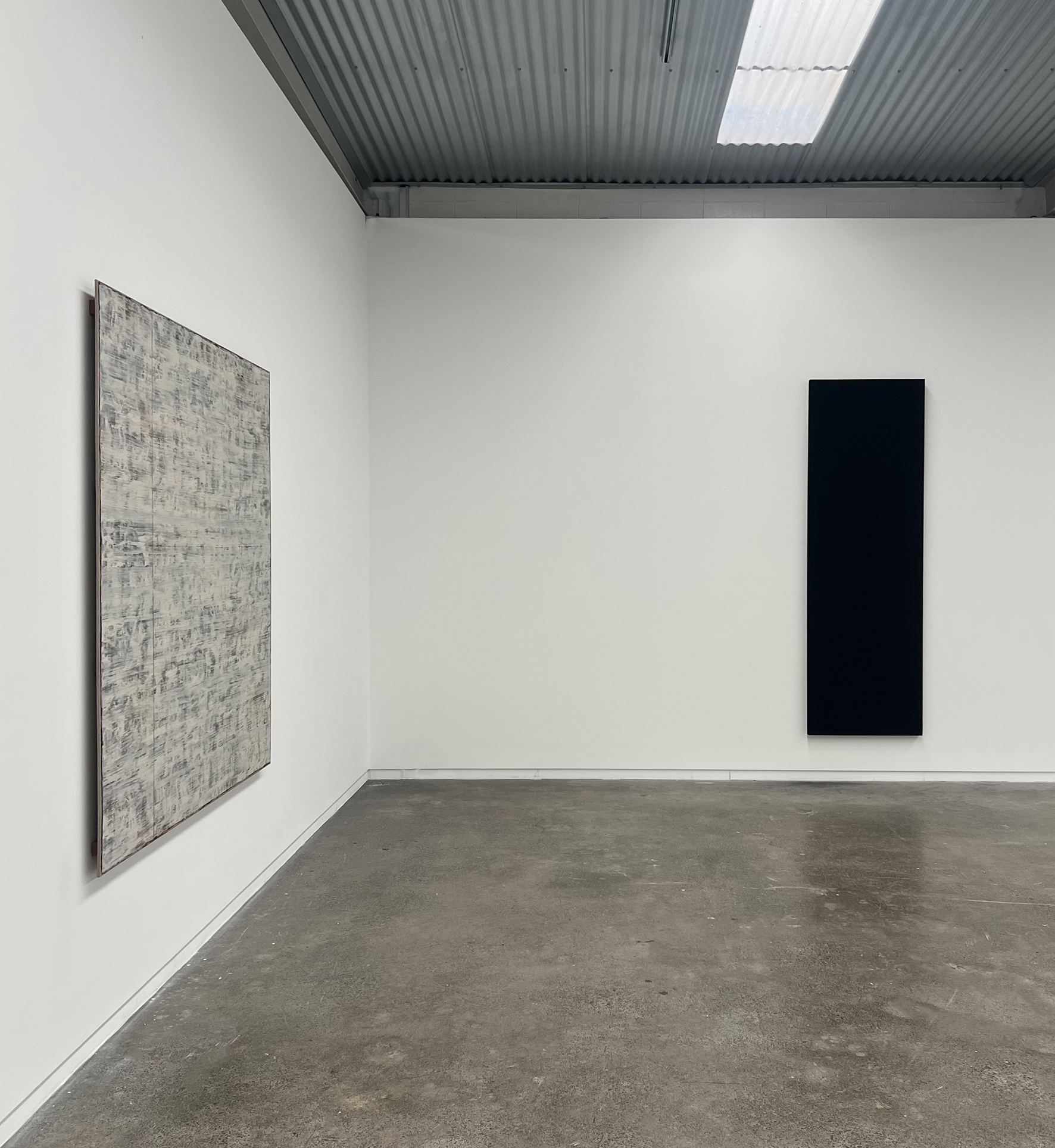
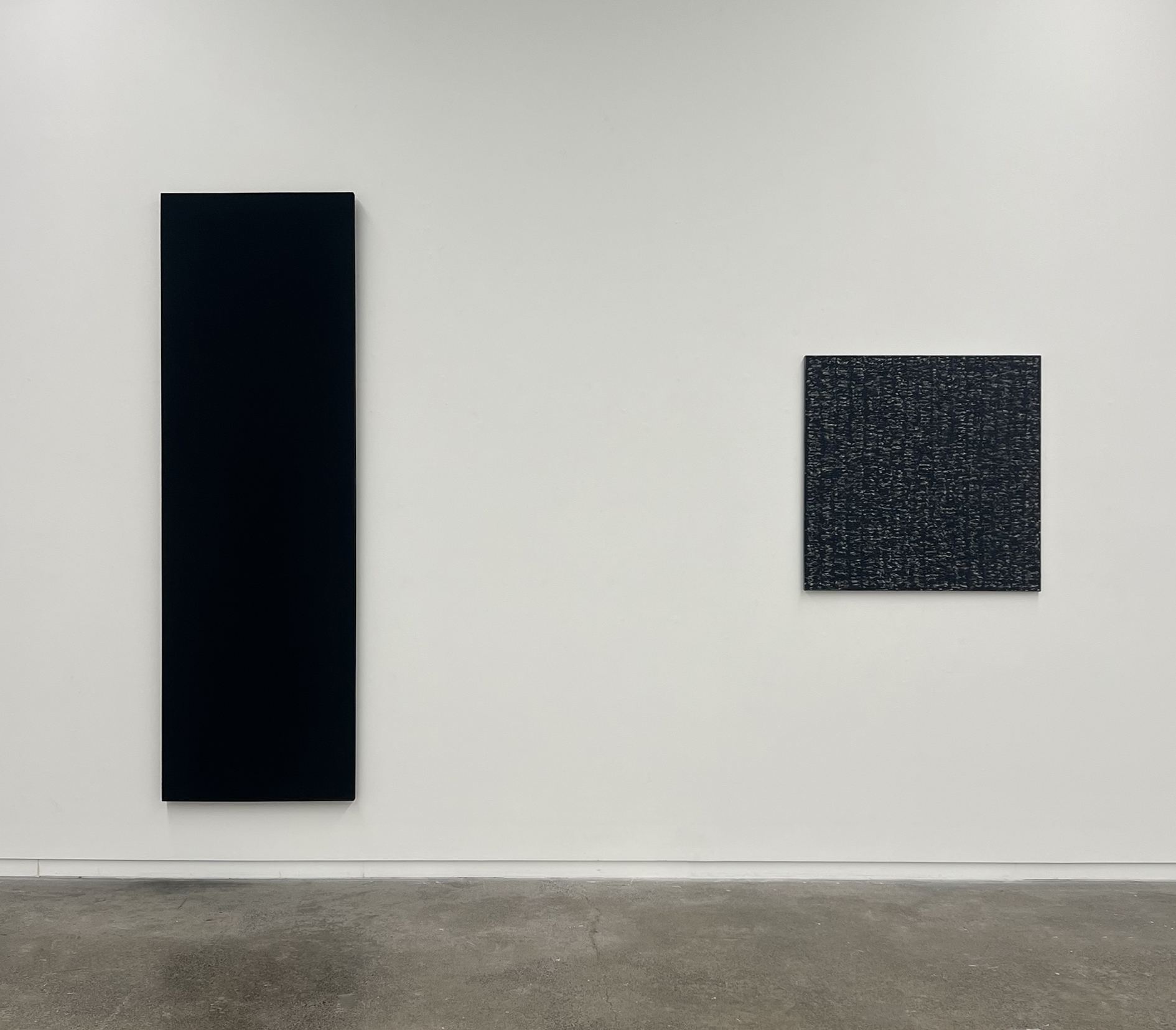
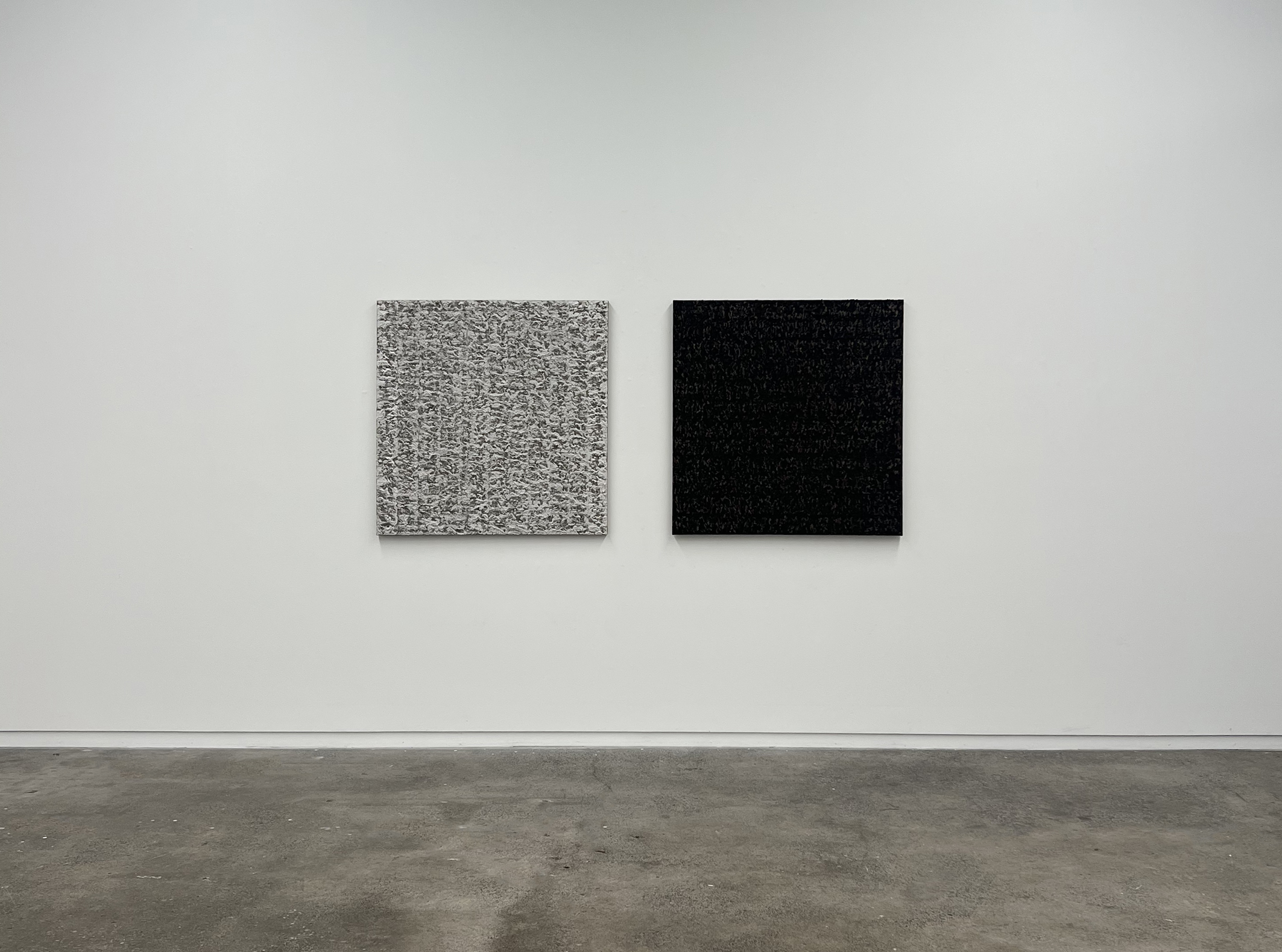
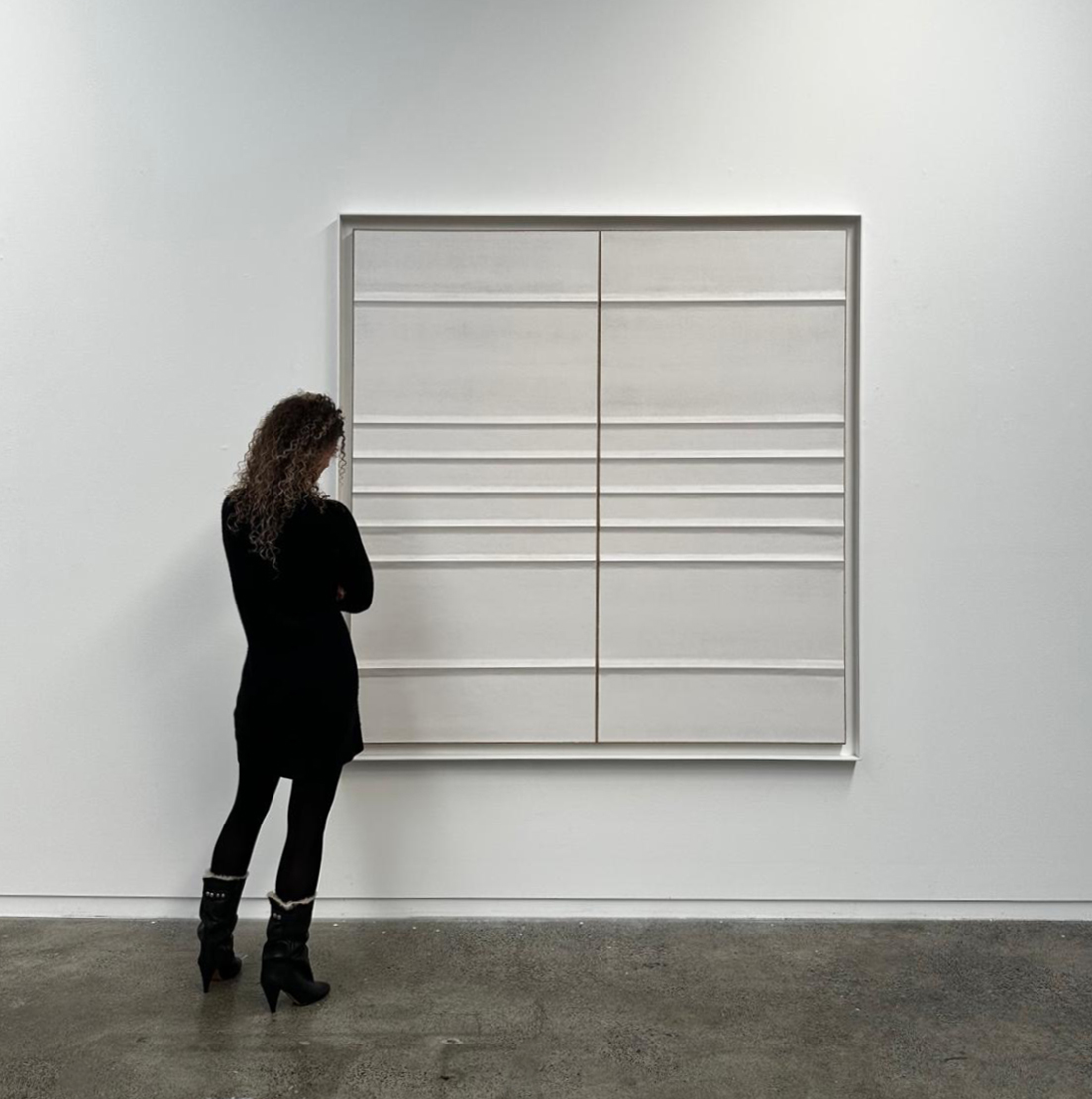
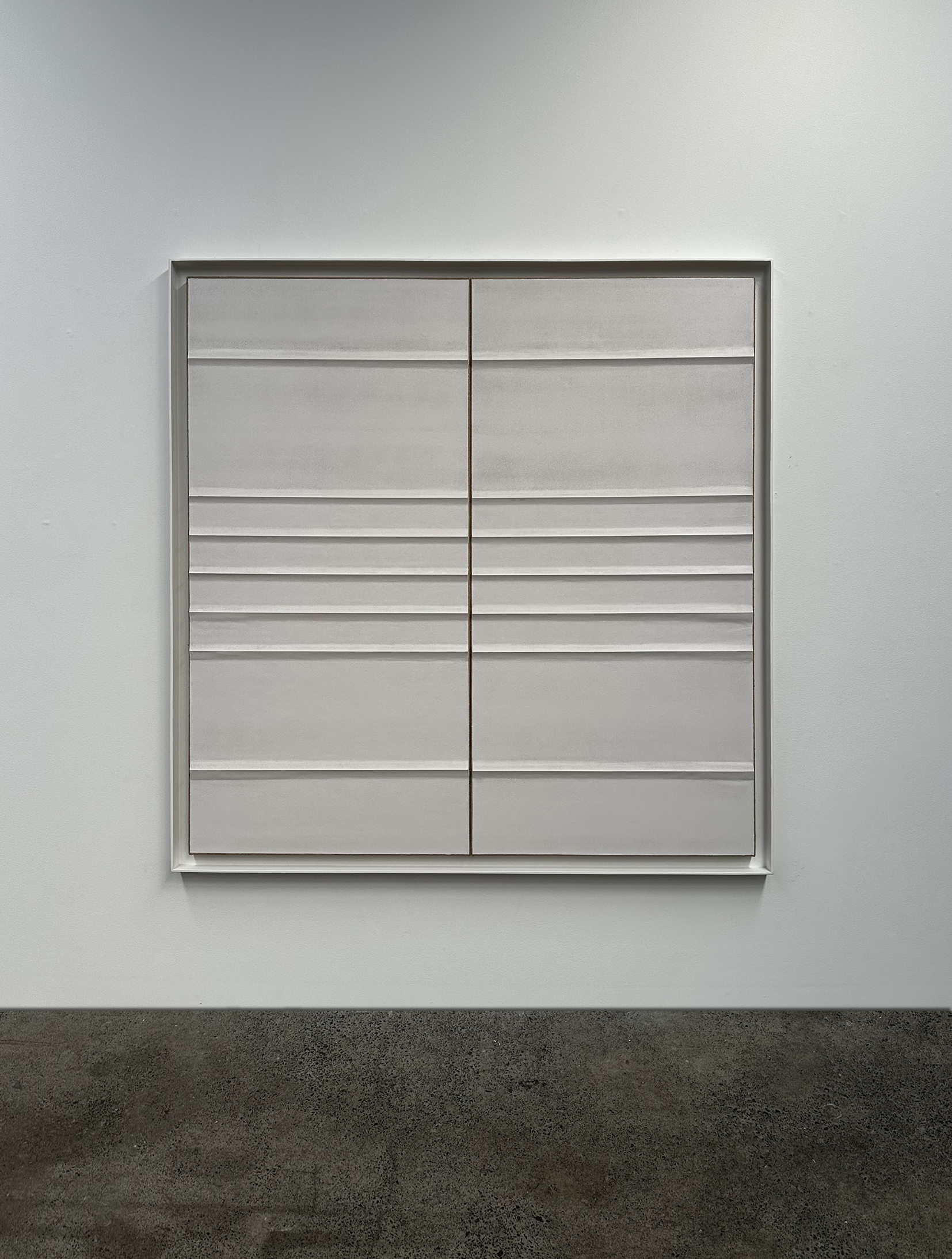
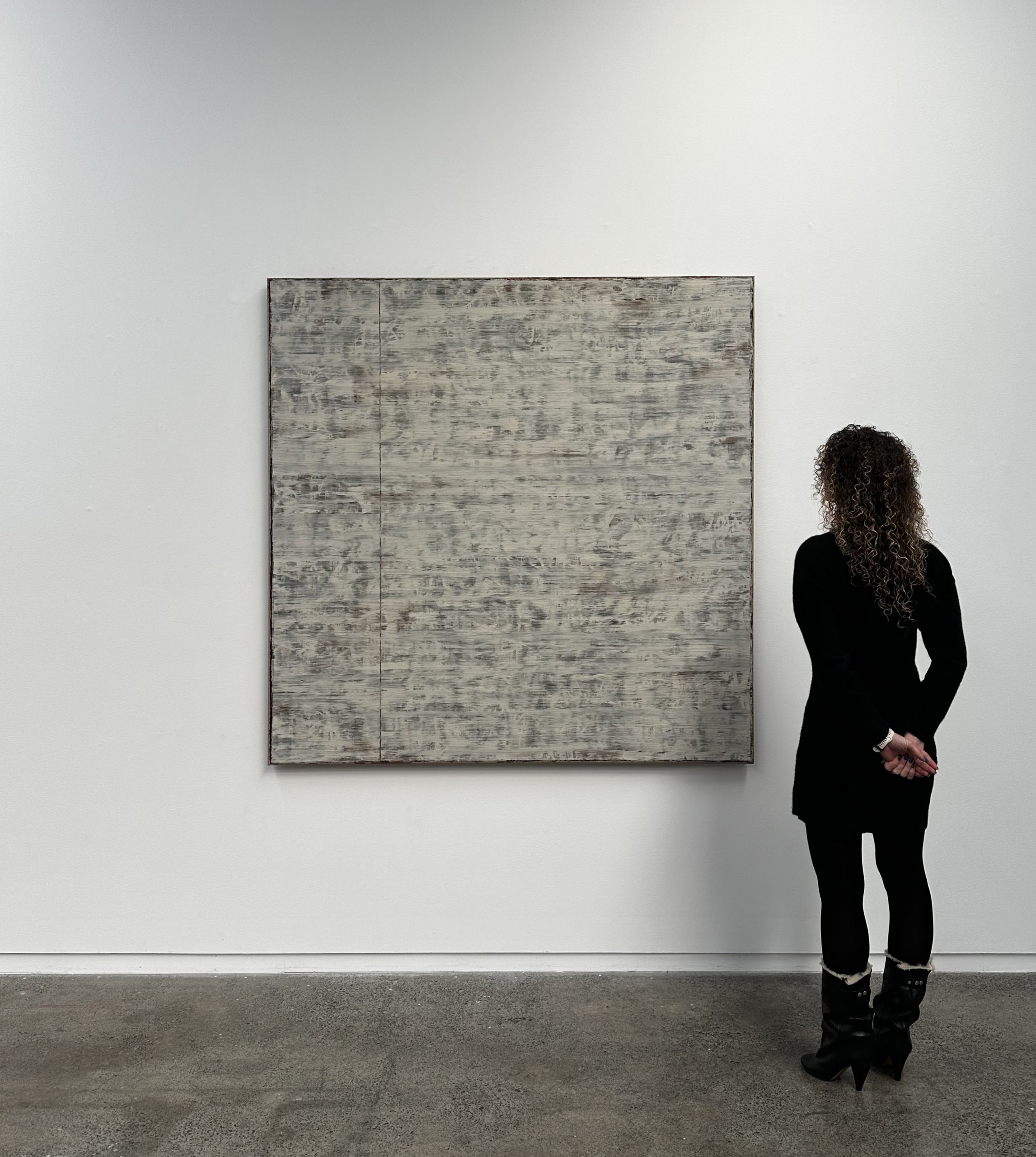
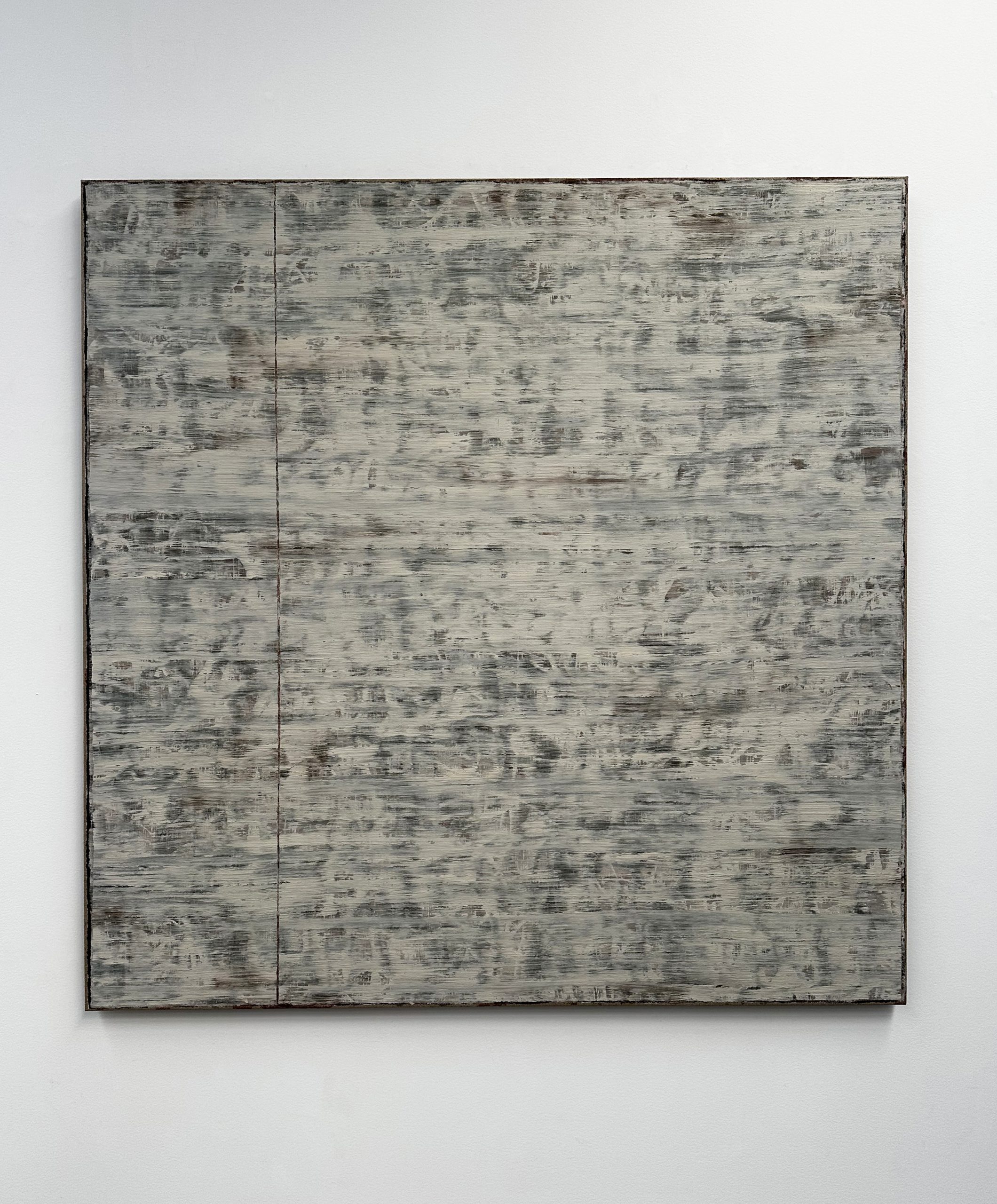
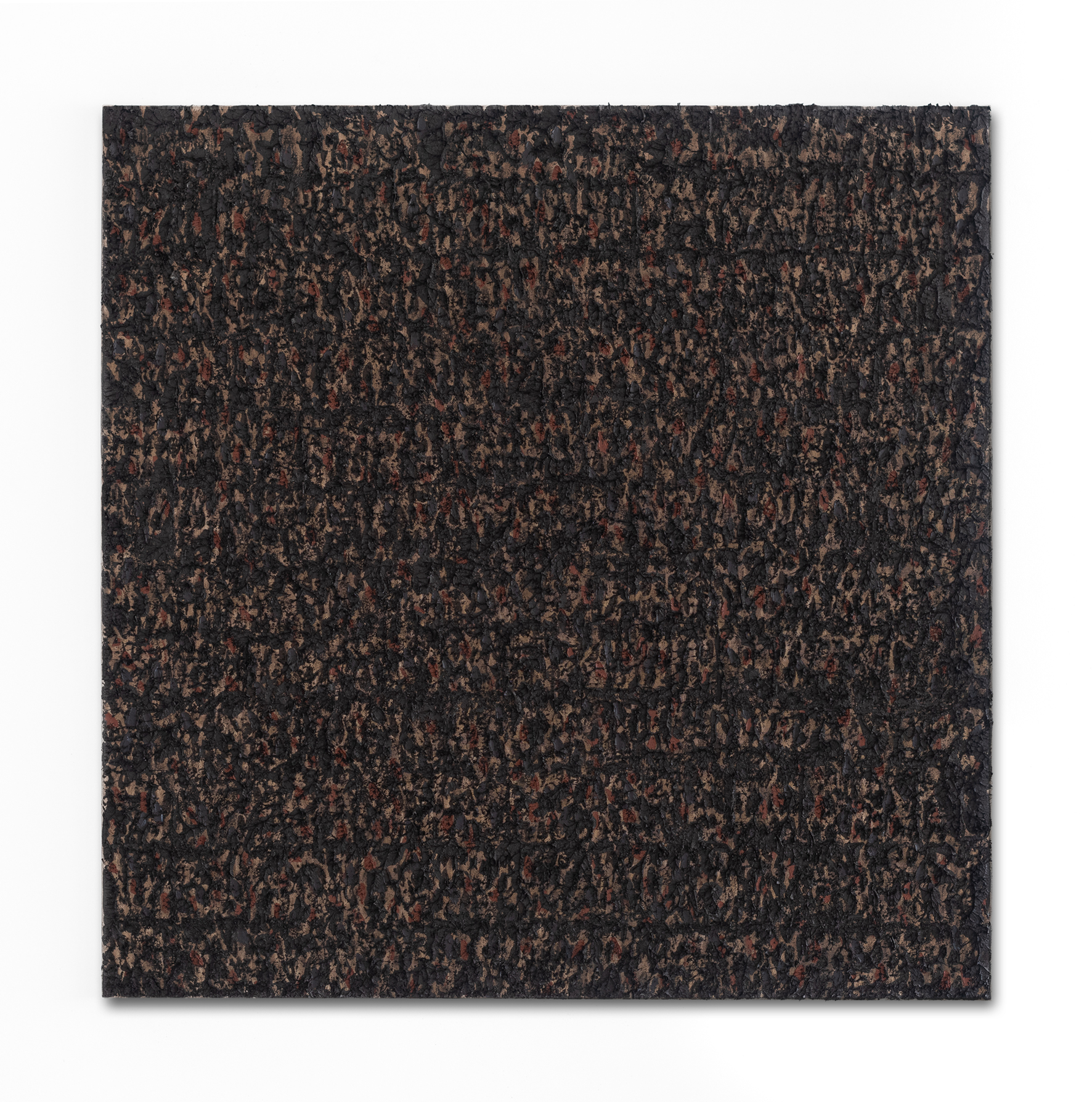
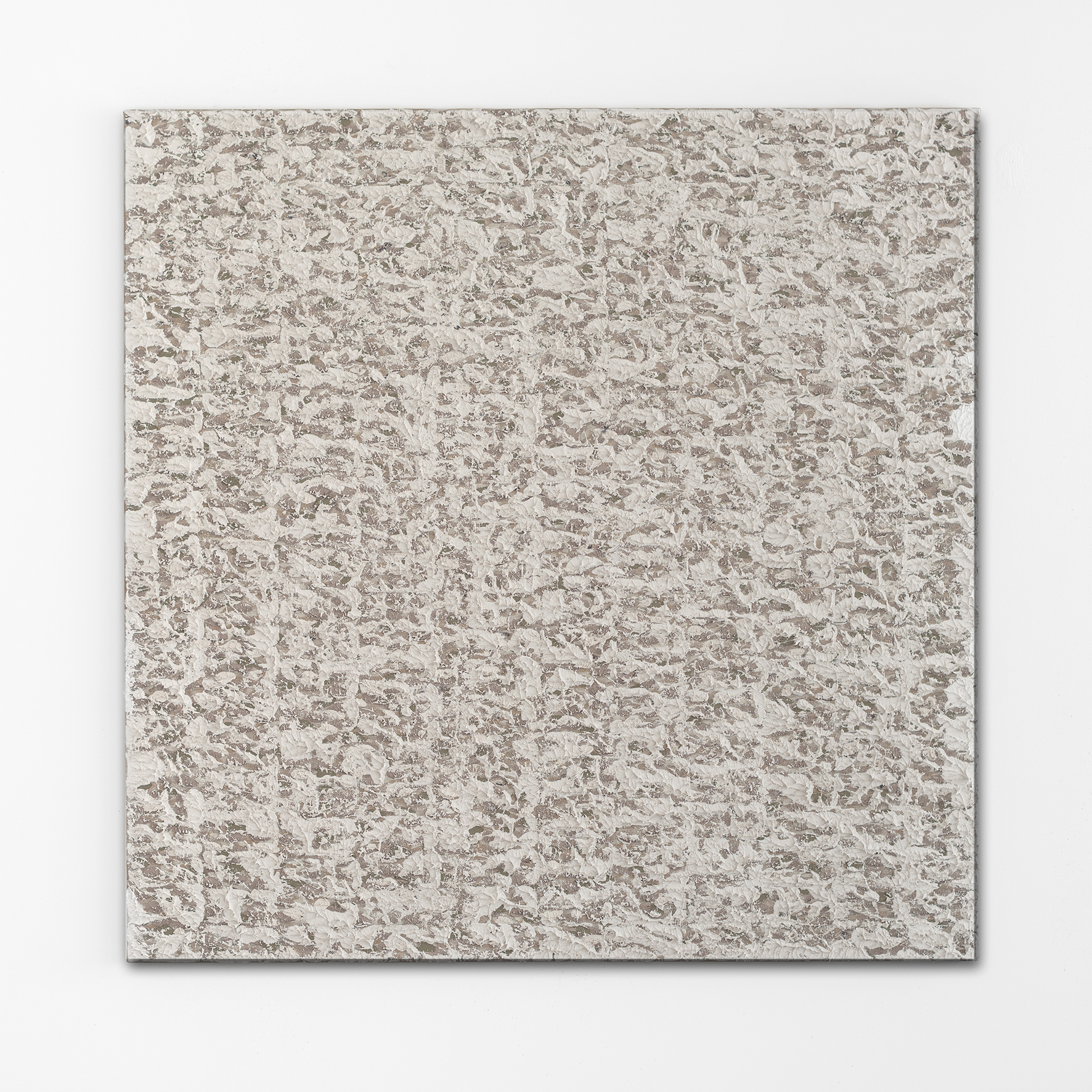
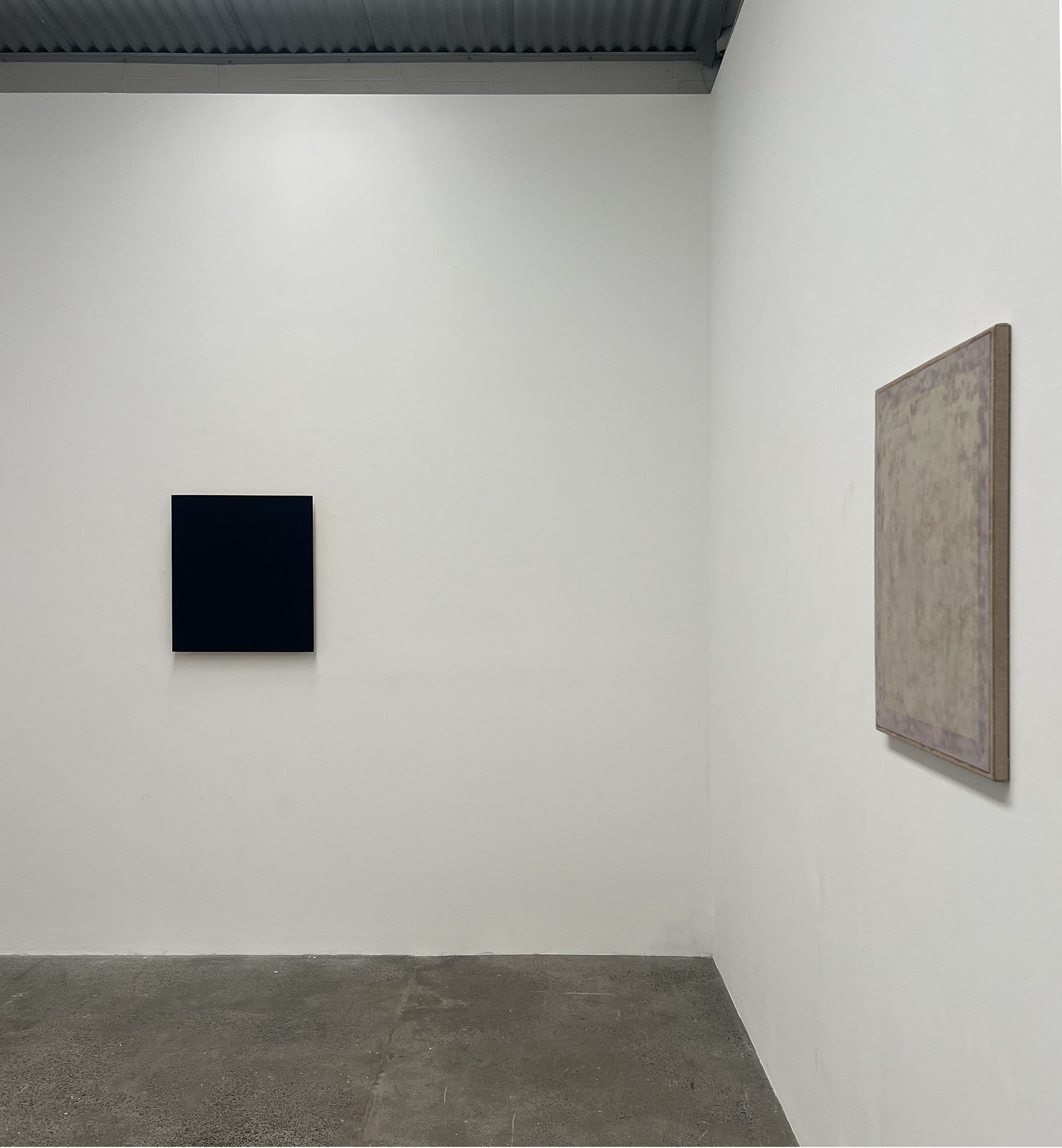
Still Point brings together the work of three artists across four generations. Their works unforeseen, yet deep kinship demonstrates the fundamental notion at the centre of Eliot’s poetic dictum – that there is a still point where past, present and the future gather.
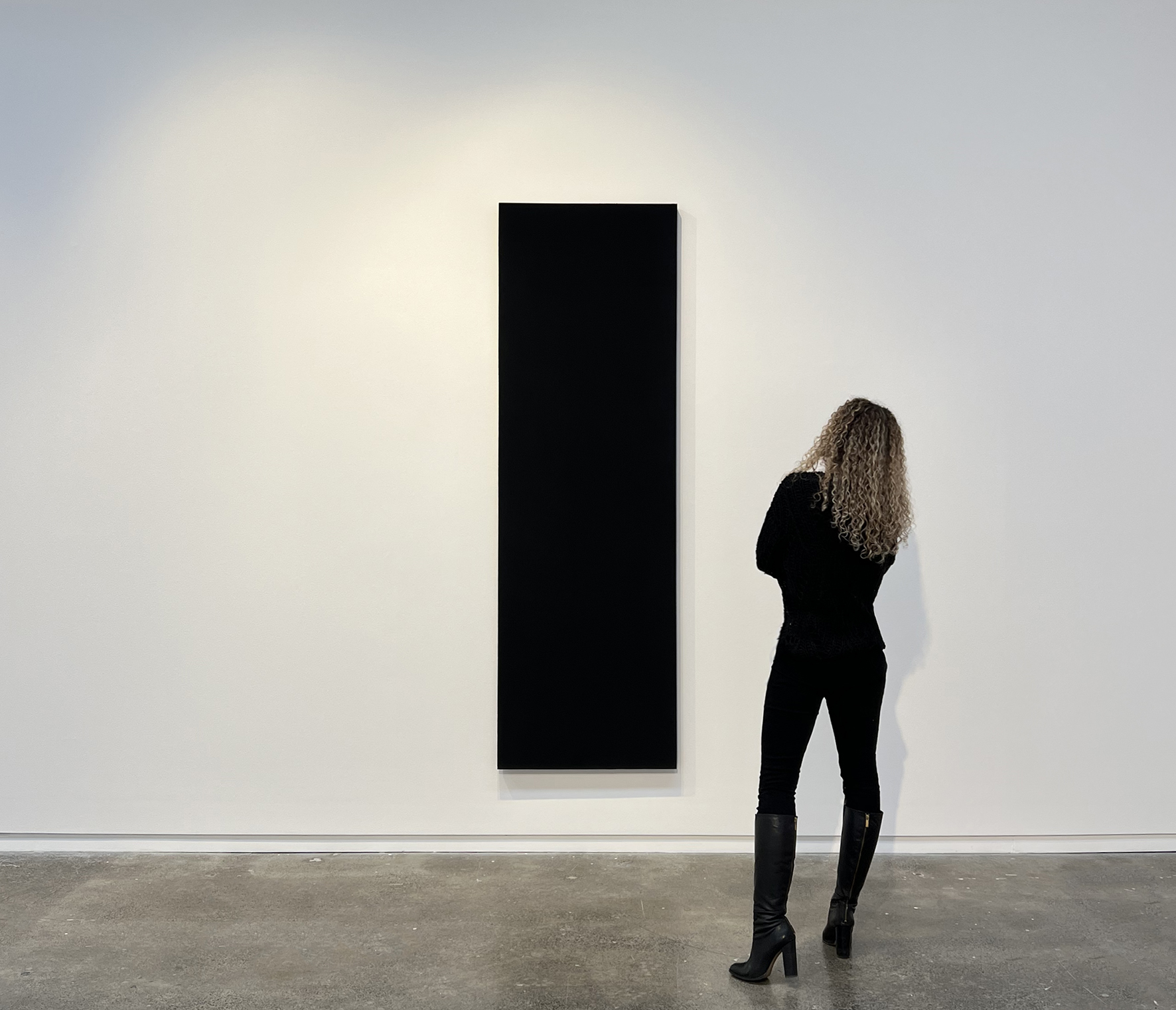
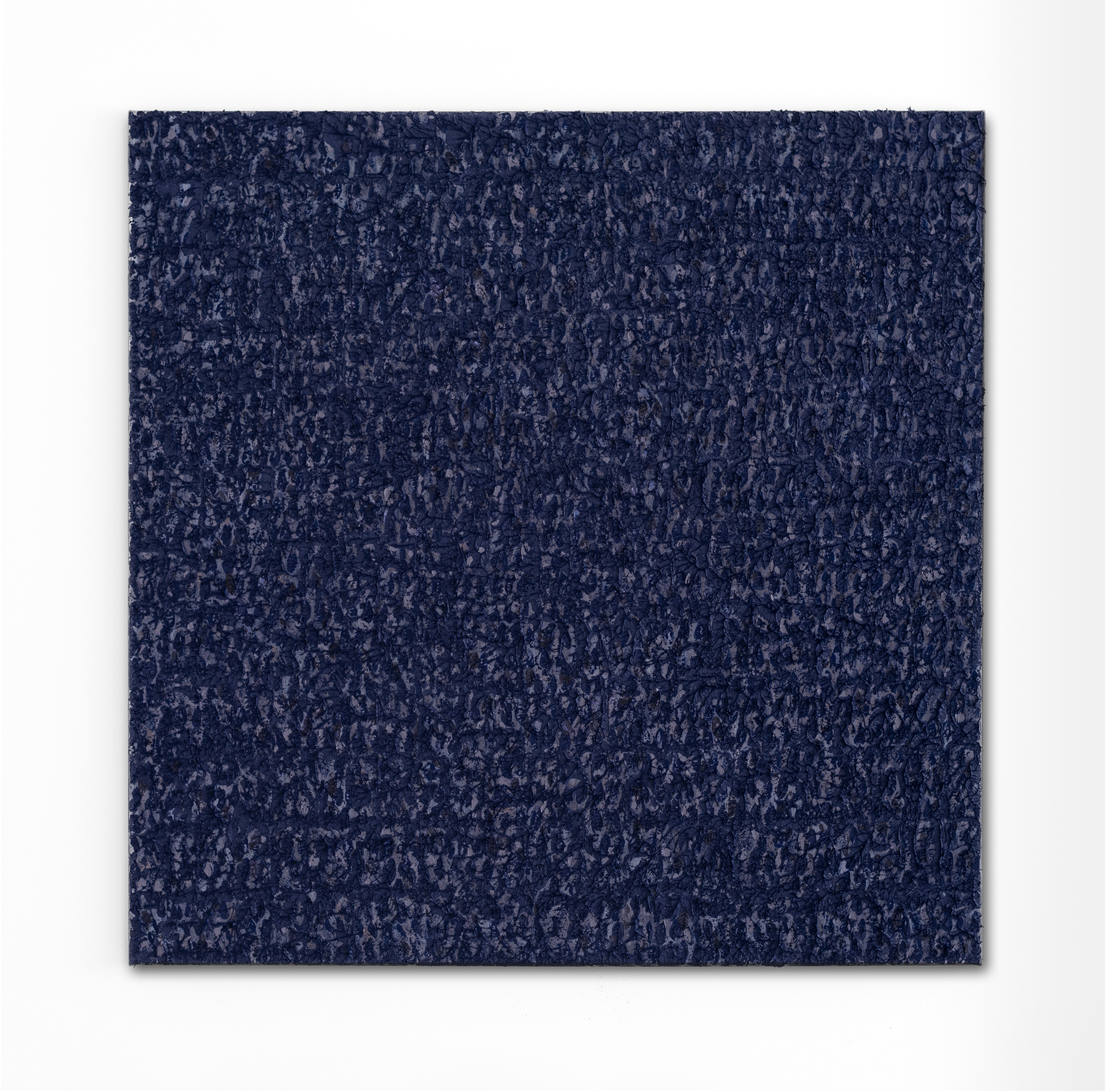
Günter Umberg’s paintings have always been for me, simultaneously, the most tranquil and turbulent places to be. Few paintings exert their presence so viscerally, animating a nigh-on cellular response, where vision ceases to be only an ocular procedure, but one where optics are replaced with intuition and instinct.
The sensate awareness that Umberg’s paintings offer us is their fundamental gift. These paintings heighten our own ability to perceive, to feel and even to be. They are utterly mysterious but there is nothing to decode. They are hushed and thunderous experiences. Not empty nor a void.
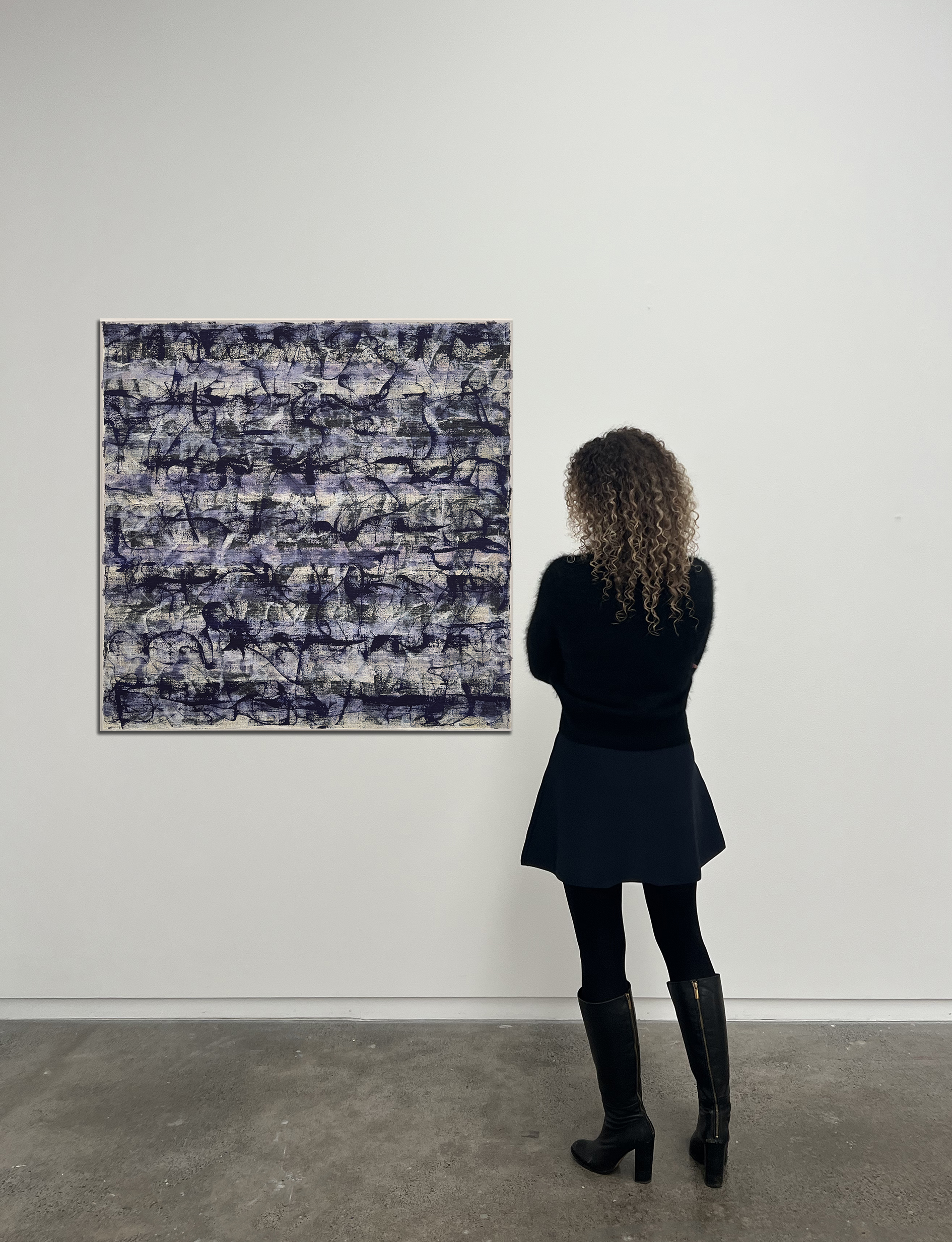
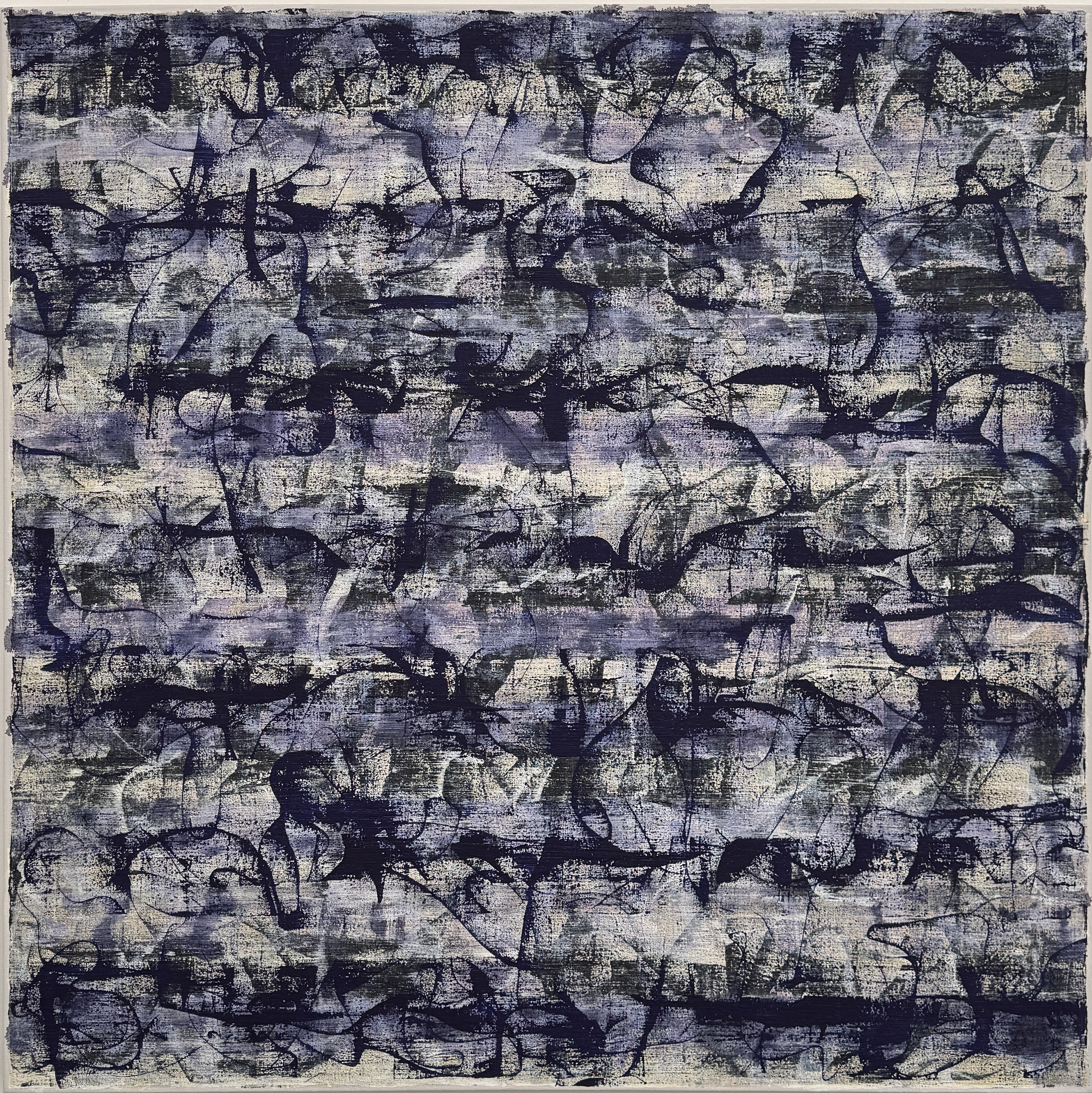
Geoff Thornley is the same generation as Günter Umberg. He paints with a gesture that is held, restrained – not by the Calvinism of formalism but by philosophical tempering of emotion, lest it usurp the unfolding drama of the dance.
My sense is that Thornley’s paintings are to be looked through, not at. Skeins, translucent fields of gestures cast shadows back and forth so that the paintings are constantly assembling a physical and symbolic dimension.
Like Umberg, it is Thornley’s persistence, his pursuit of an interior life for his paintings that brings me back time and again to witness the incremental, yet profound adjustments that he makes in each and every painting.
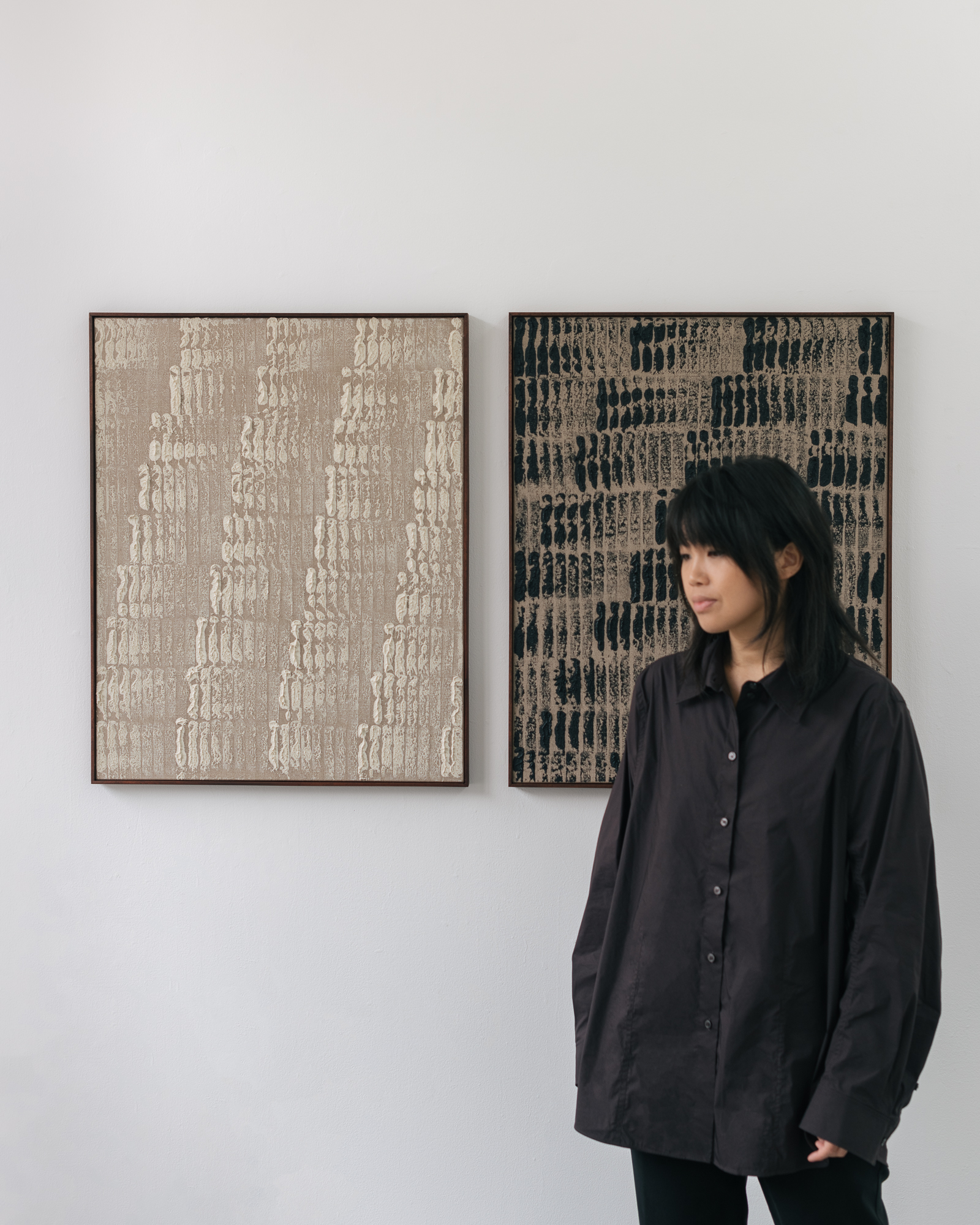
It is compelling to see Cindy Leong’s paintings and to register their own aesthetic resonance, complete as it is, but here we see them amplified by the conversation with Umberg & Thornley. Leong is not just one generation apart but four, yet the same persistence is already evident in her work, a determination to make the act of painting a metaphysical bridge between points in time.The cadence of Leong’s brushwork, the space that each gesture opens up, like a moment between heartbeats, is undoubtedly less vertigo inducing than Umberg’s endless space, however what Leong is capturing is a space between – a nexus that expresses a fundamental duality that is neither flesh nor fleshless, neither arrest nor movement – her paintings are gathering