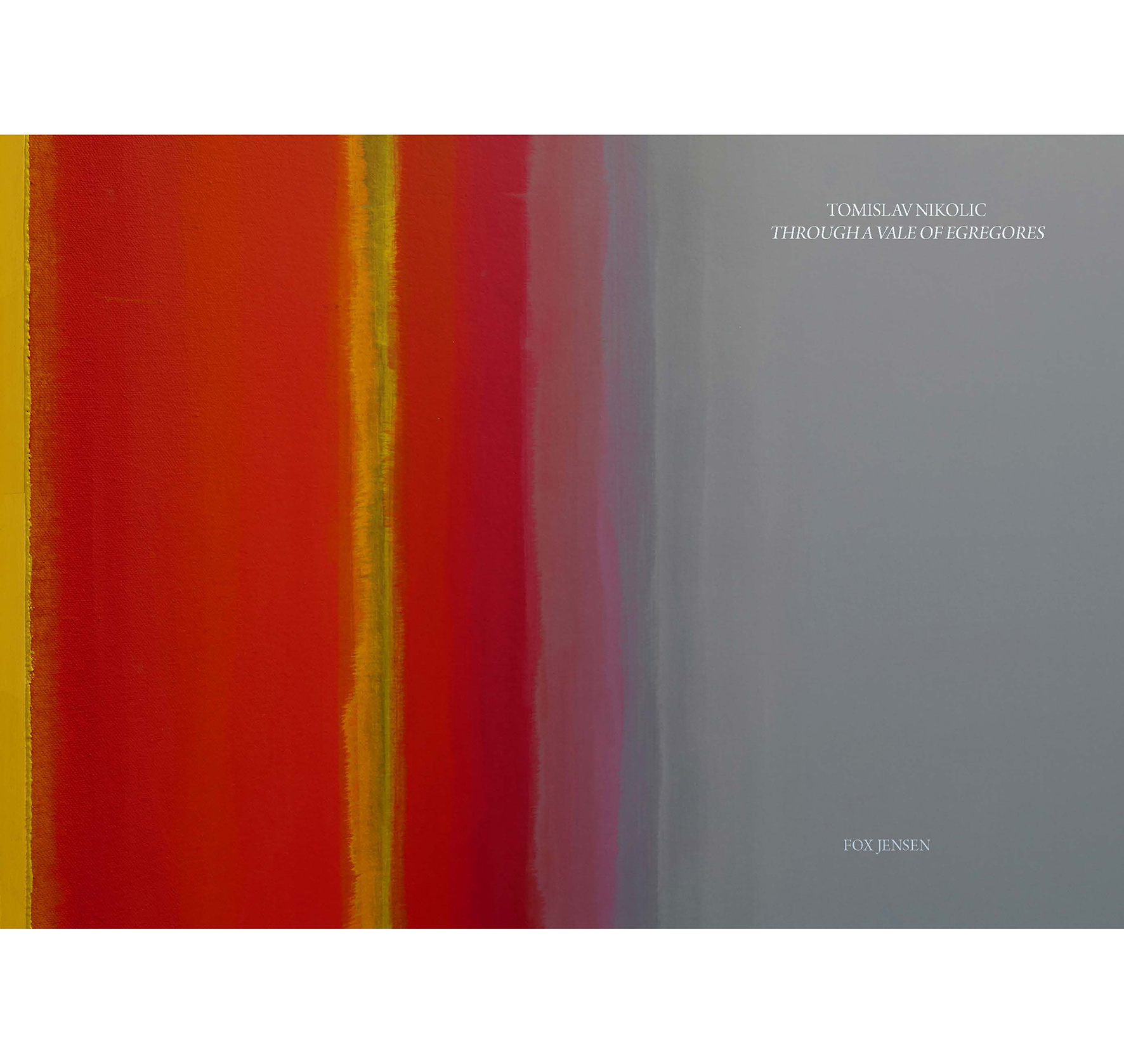
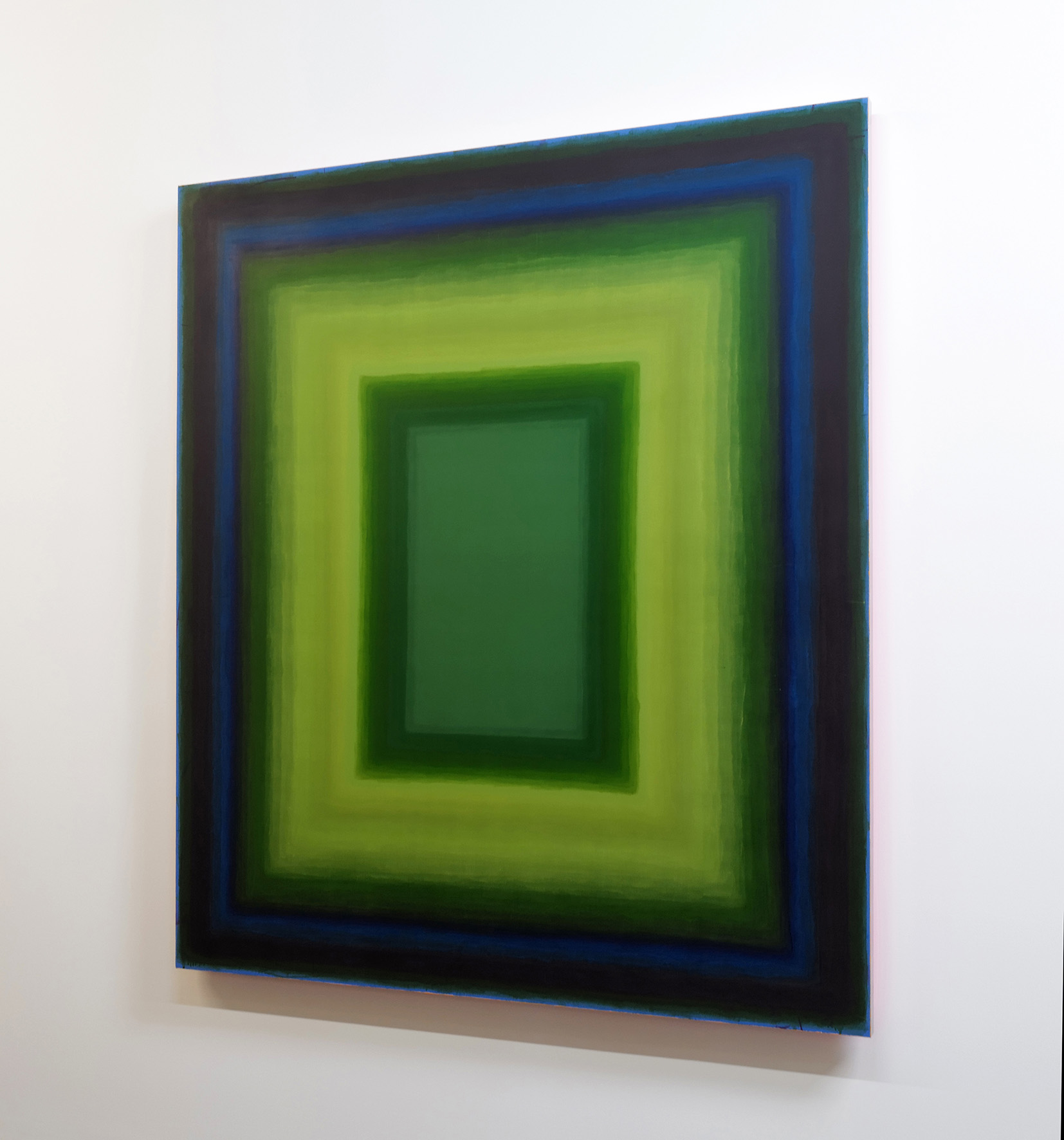
Through a Vale of Egregores
The rules of attraction apply here. Painting needs to remain viable and charismatic. In a lot of ways Nikolic’s works are like perfume with their heady alchemical mixture of ‘notes’ – earthy, floral, mineral; high, middle and low. An intoxicating blend that beckons and momentarily sends you reeling.
Juliana Engberg
Crucially, the original impetus for the Nikolic’s works derives not from investigating colour relations systematically, but from his determination to harness specific emotional responses to paintings encountered in art museums, or emotional tones or moods experienced in life. These epiphanies depart from modernist colour theory precisely because of their serendipitous origins and are revealed through an astonishing range of colour choices and combinations that departs radically from Modernism’s utopian bent.
Julie EwingtonMake mine a pink martini…
Mark Rothko was driven to ensure that his paintings were experienced and indeed regarded with absolute reverence. His determination to orchestrate these ceremonial encounters drew him into infamous conflicts with those who didn’t offer sufficient submission, most notably, America’s Miesian acolyte, Philip Johnson and the whole Seagram’s debacle.
Regarding reverence… Tomislav Nikolic is a little less demanding. Indeed Nikolic, despite his allegiance to Rothko, remains open to the possibility that his paintings might be experienced in an atmosphere of celebratory irreverence. In this sense he offers Rothko more of a curtsy than the prostration Rothko firmly believed he deserved.
Rothko’s desire for painting to carry the solemnity and pressure of spiritual transformation was both a motivation and a burden. Lamentably, the notion of painting as burden and his own tragic ‘self-sacrifice’ in 1970 provides a kind of unpleasant narrative authority to Rothko’s life and late work. Yet in a sense Rothko perhaps believed that he really had, ‘painted for our sins’.
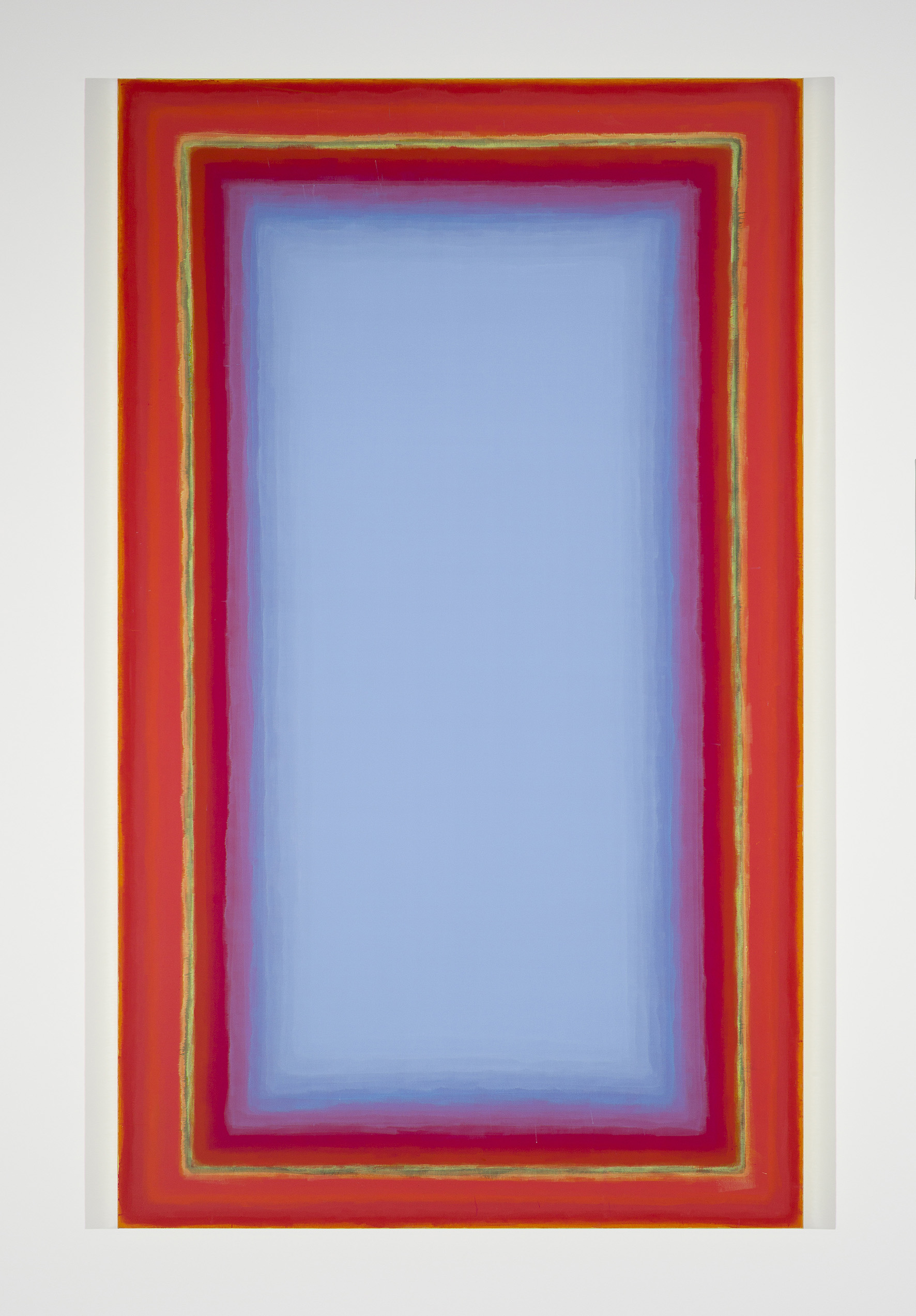
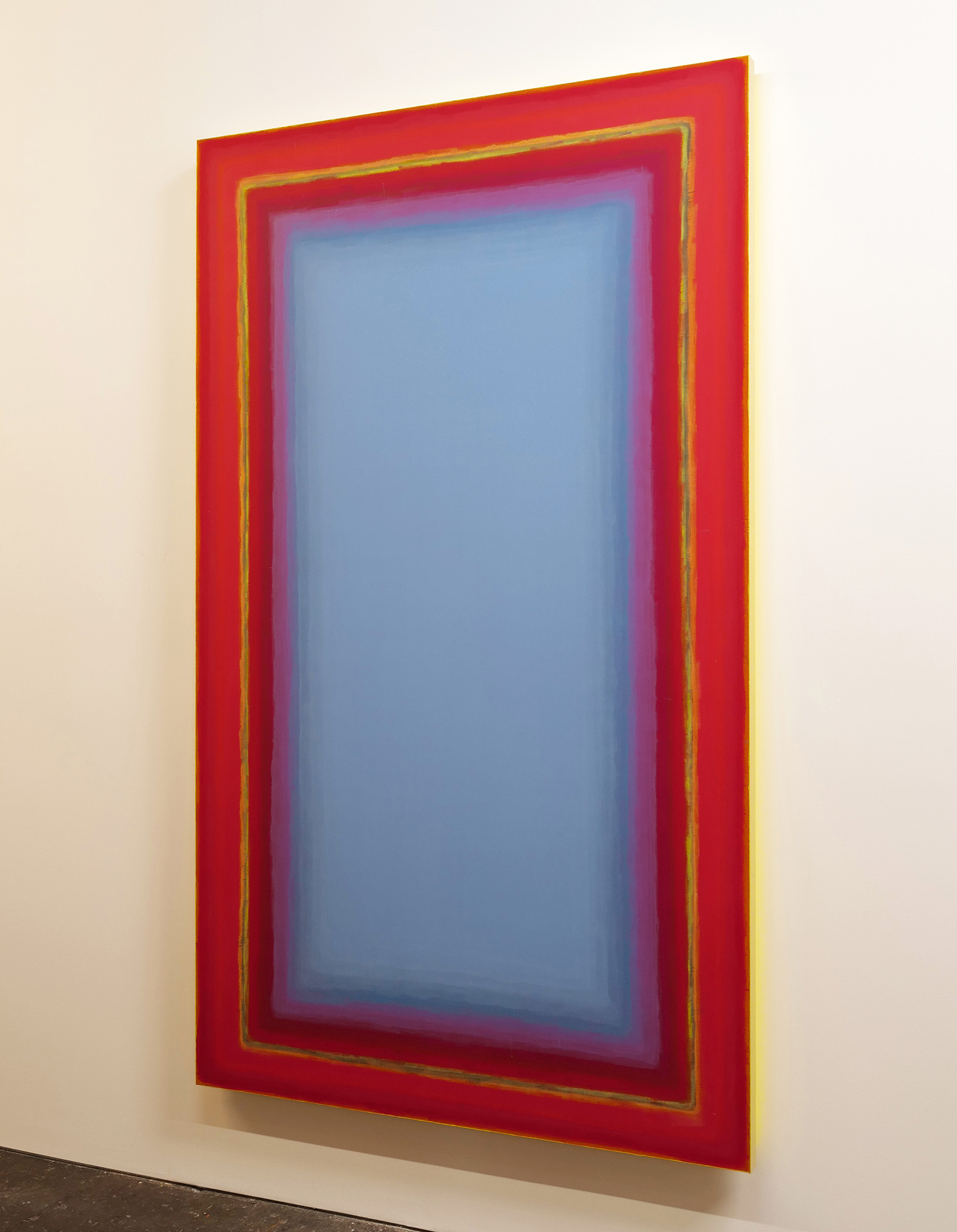
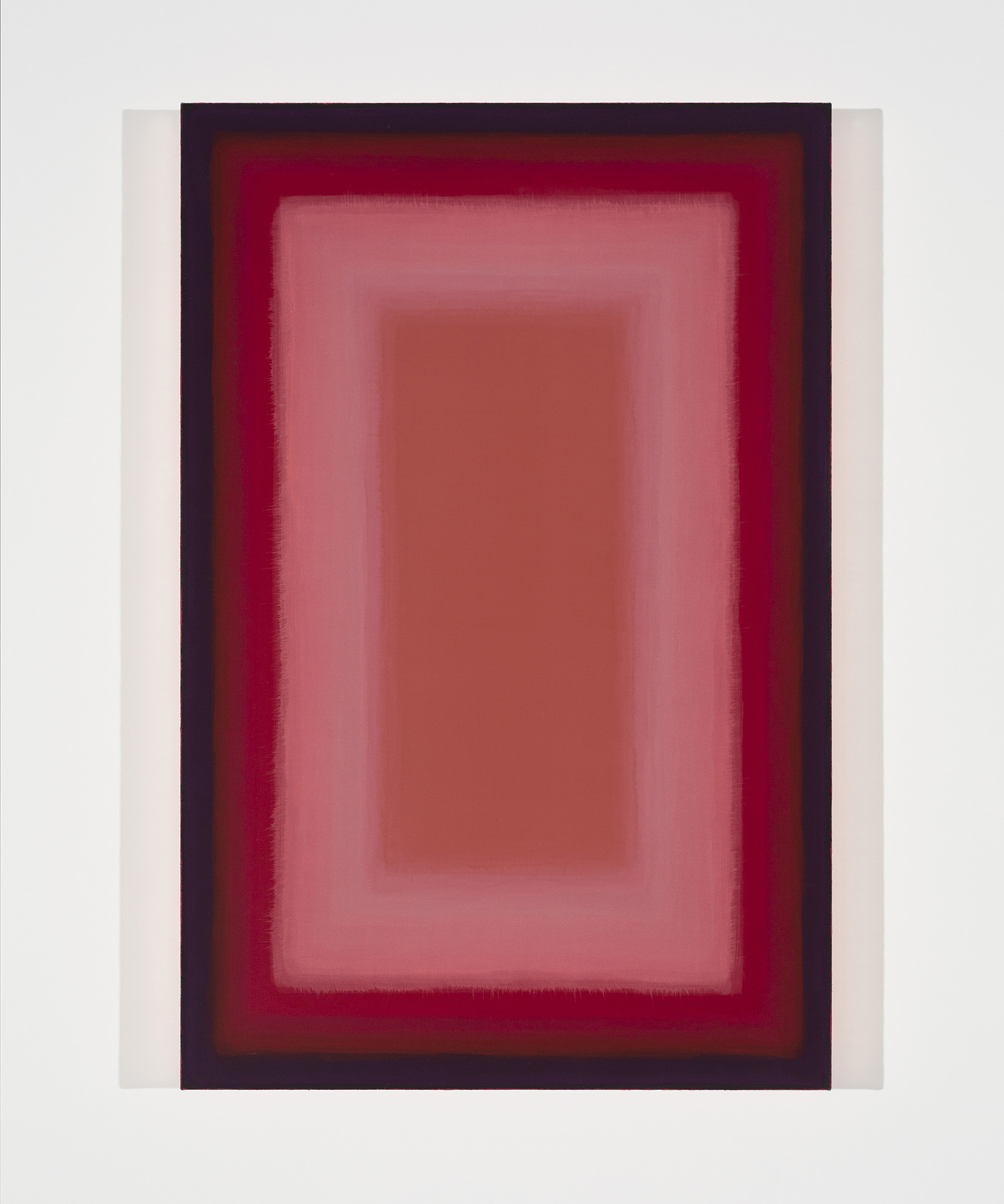
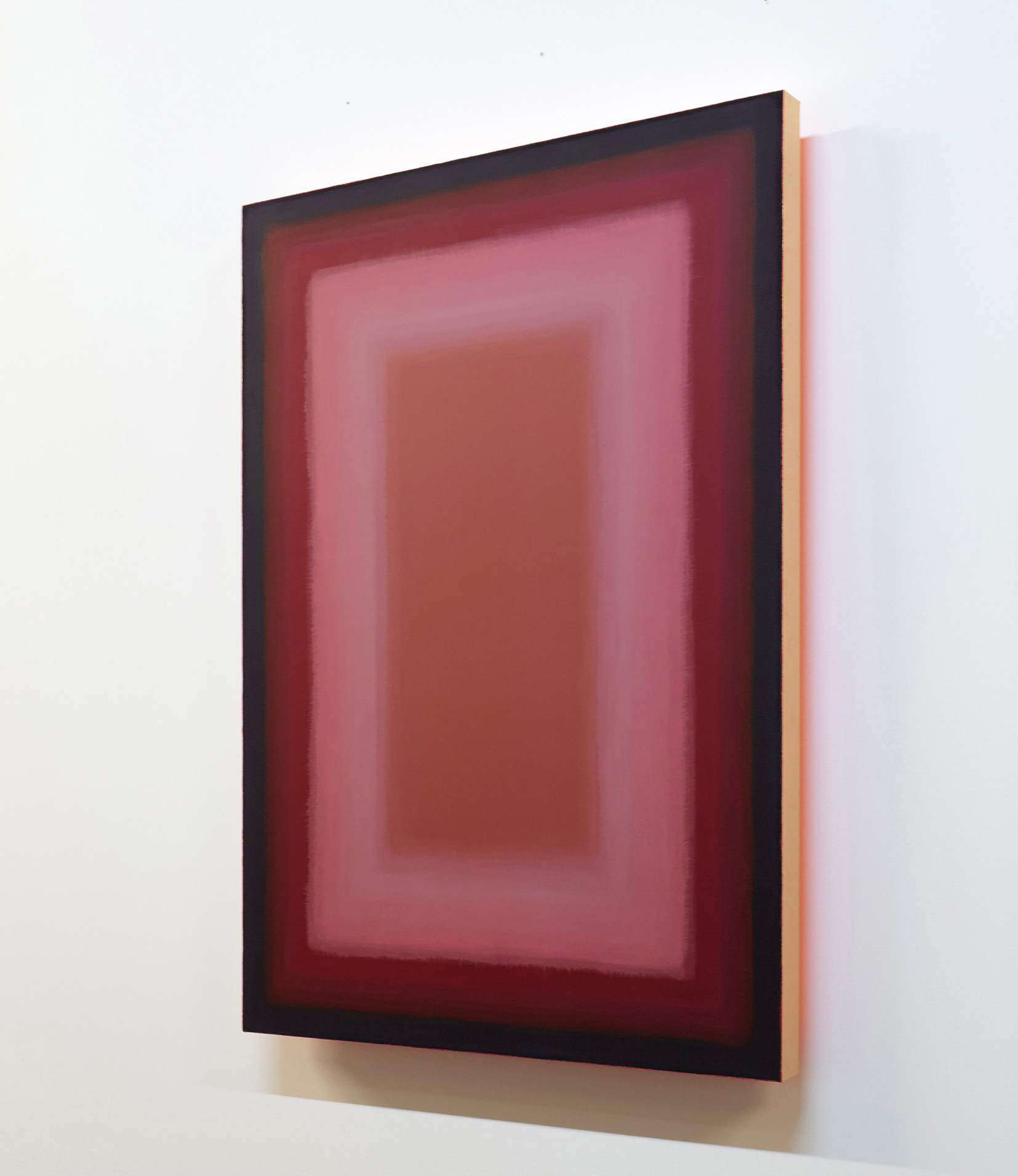
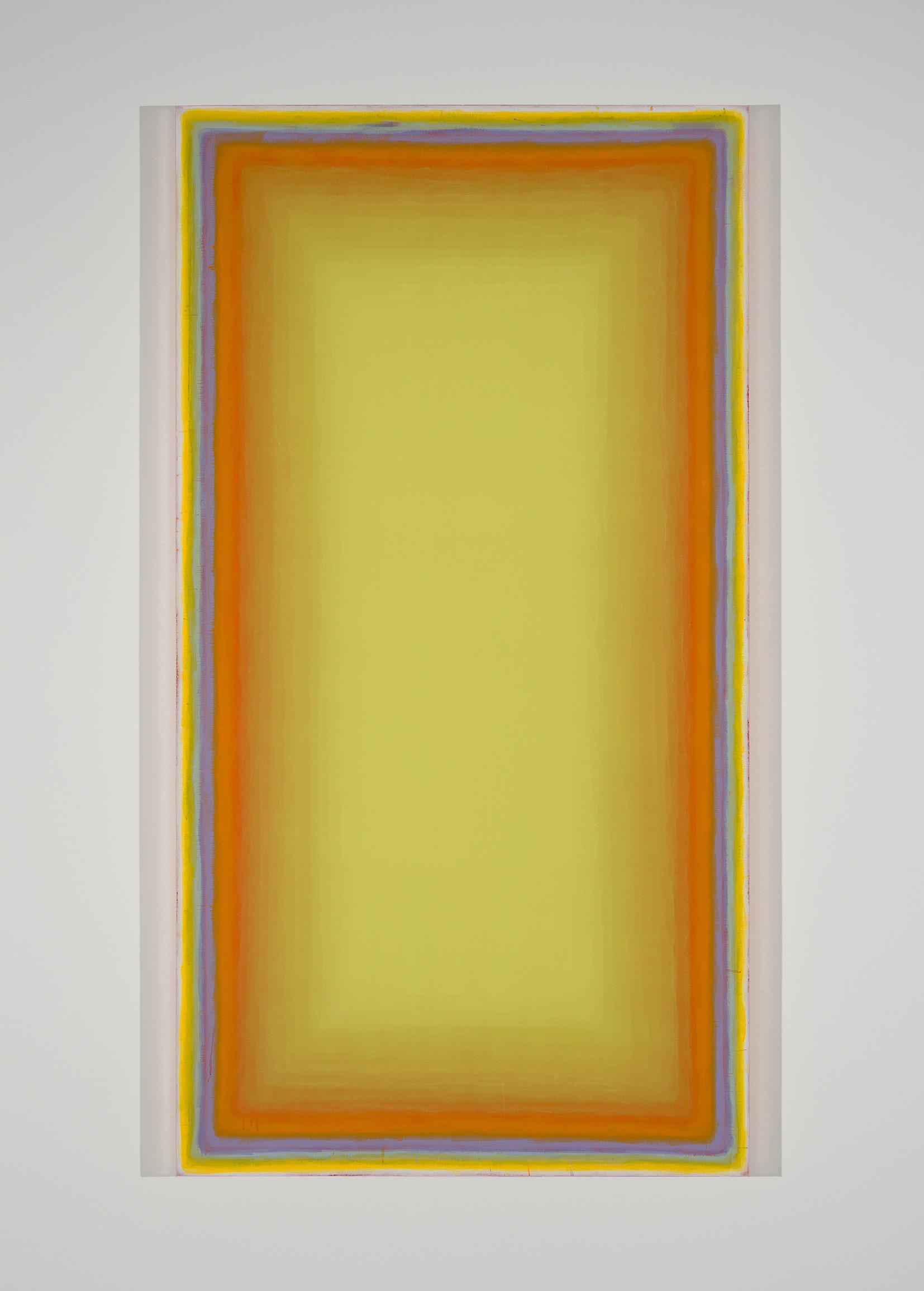
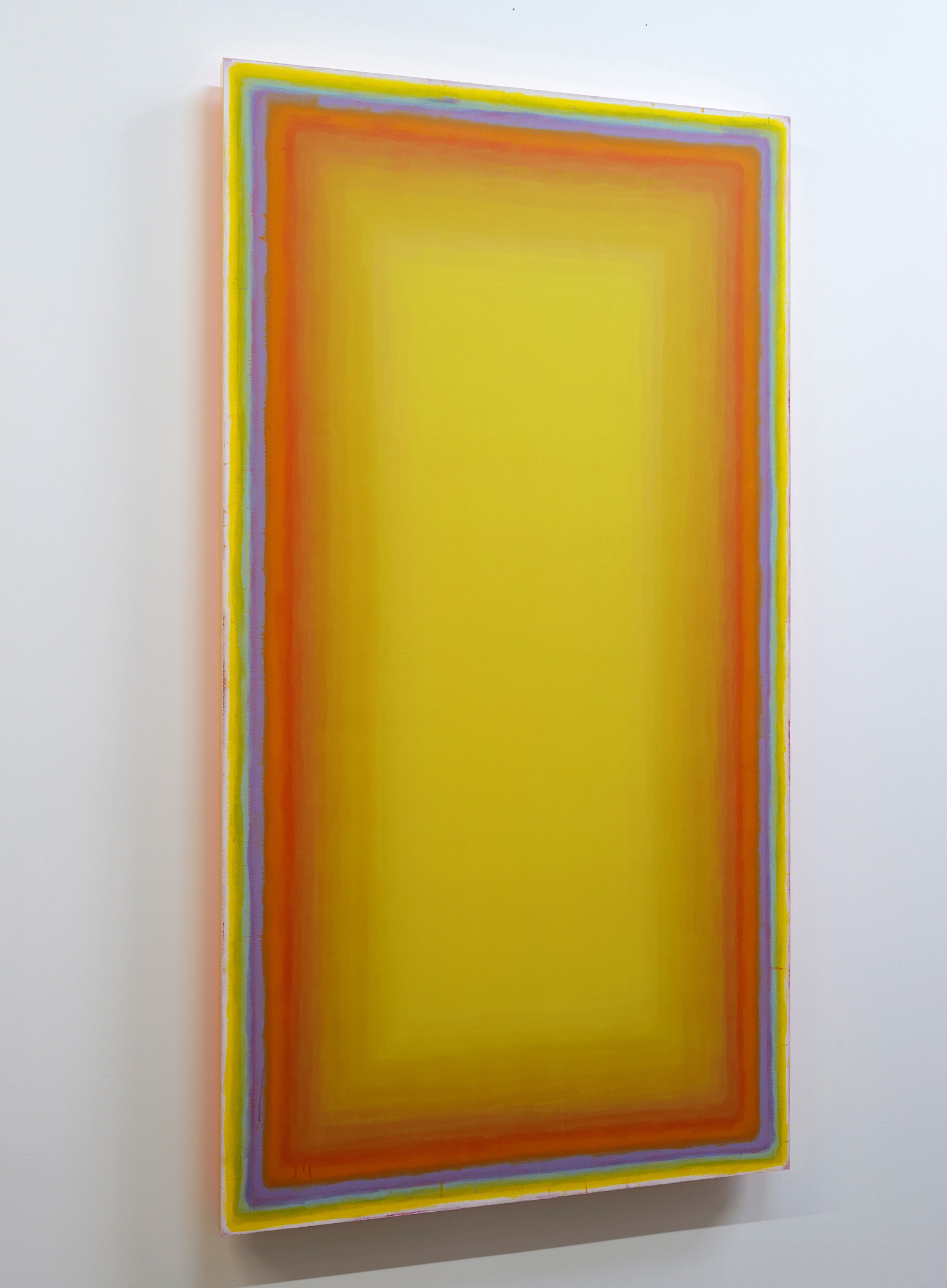
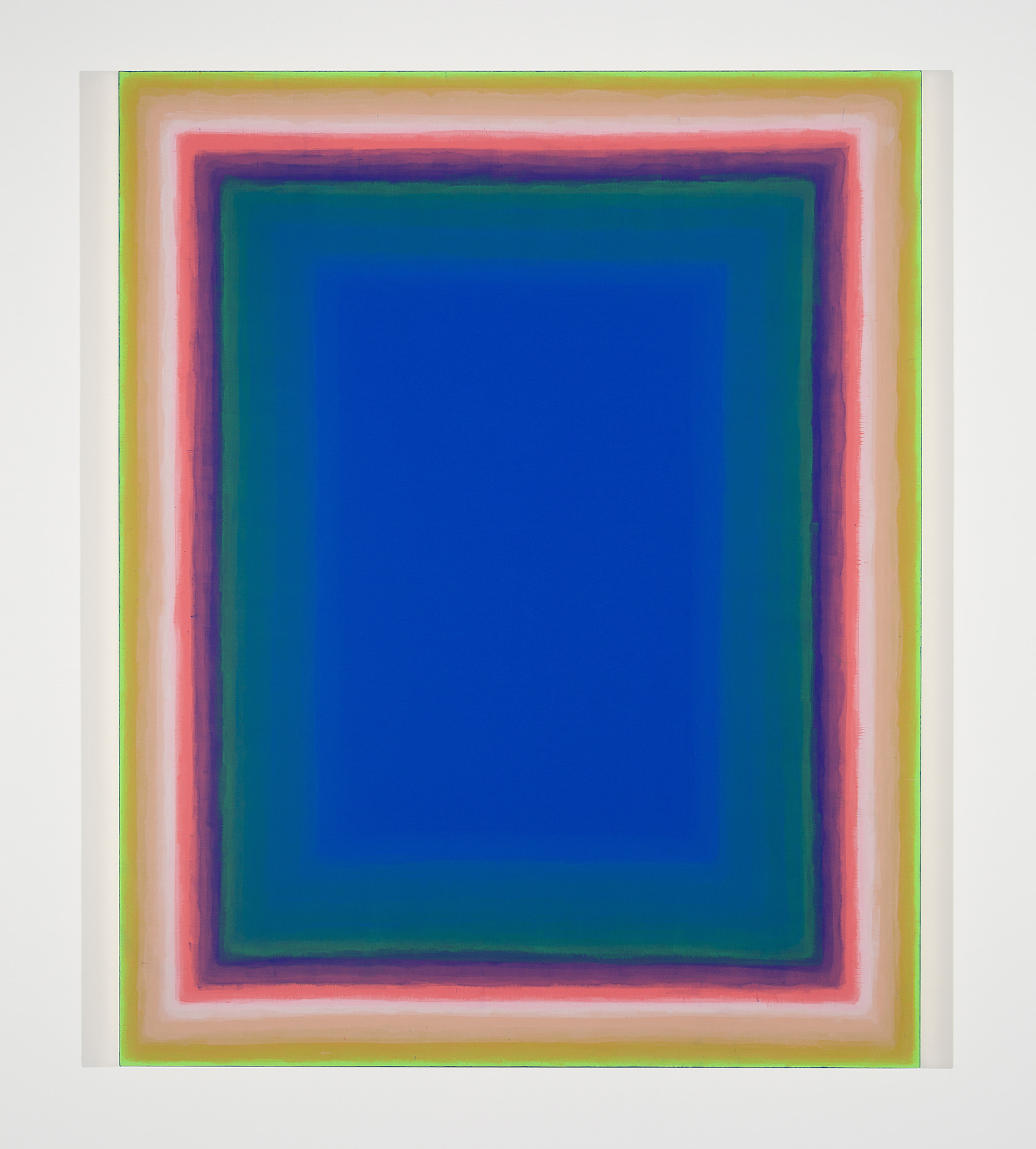
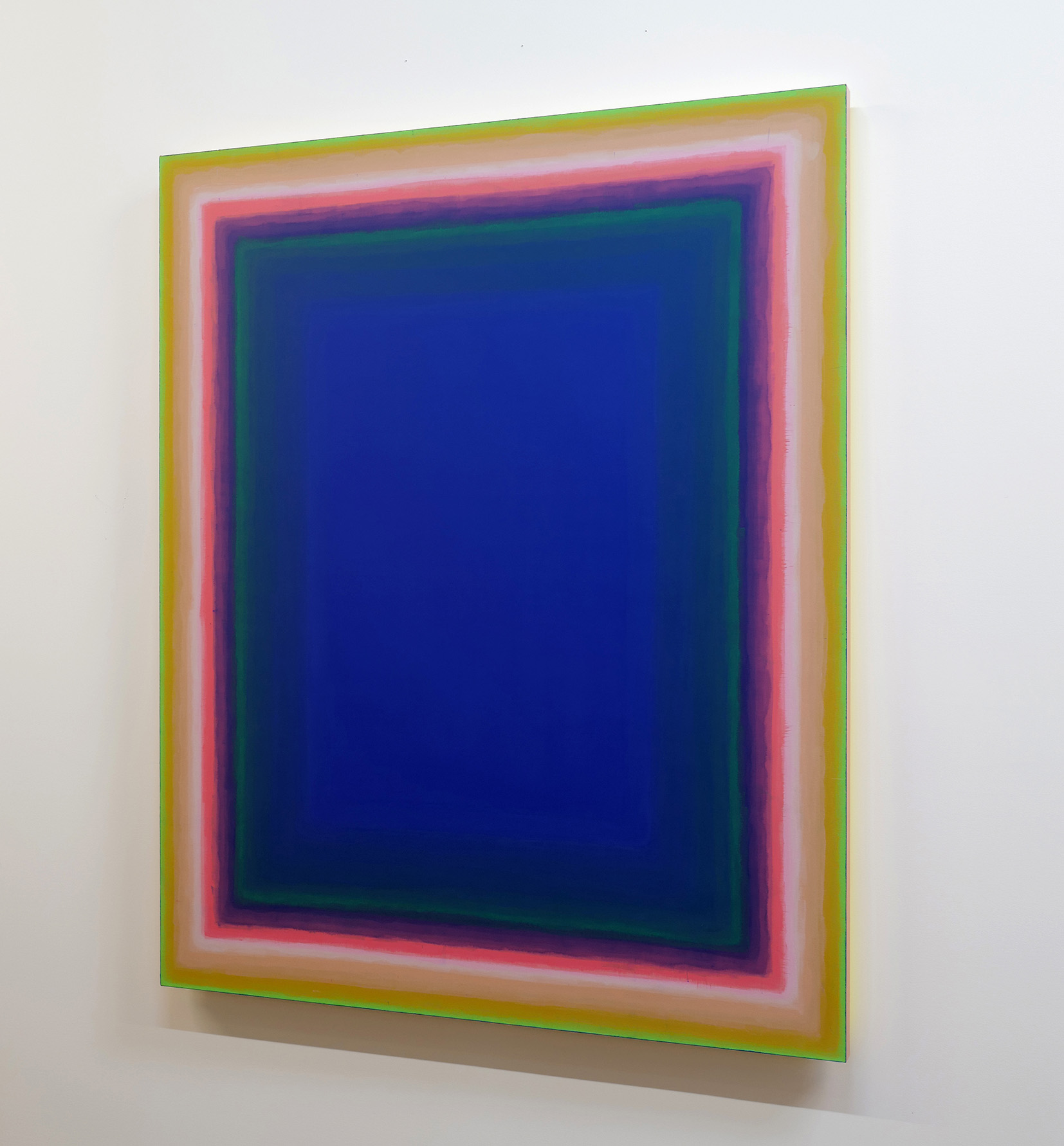
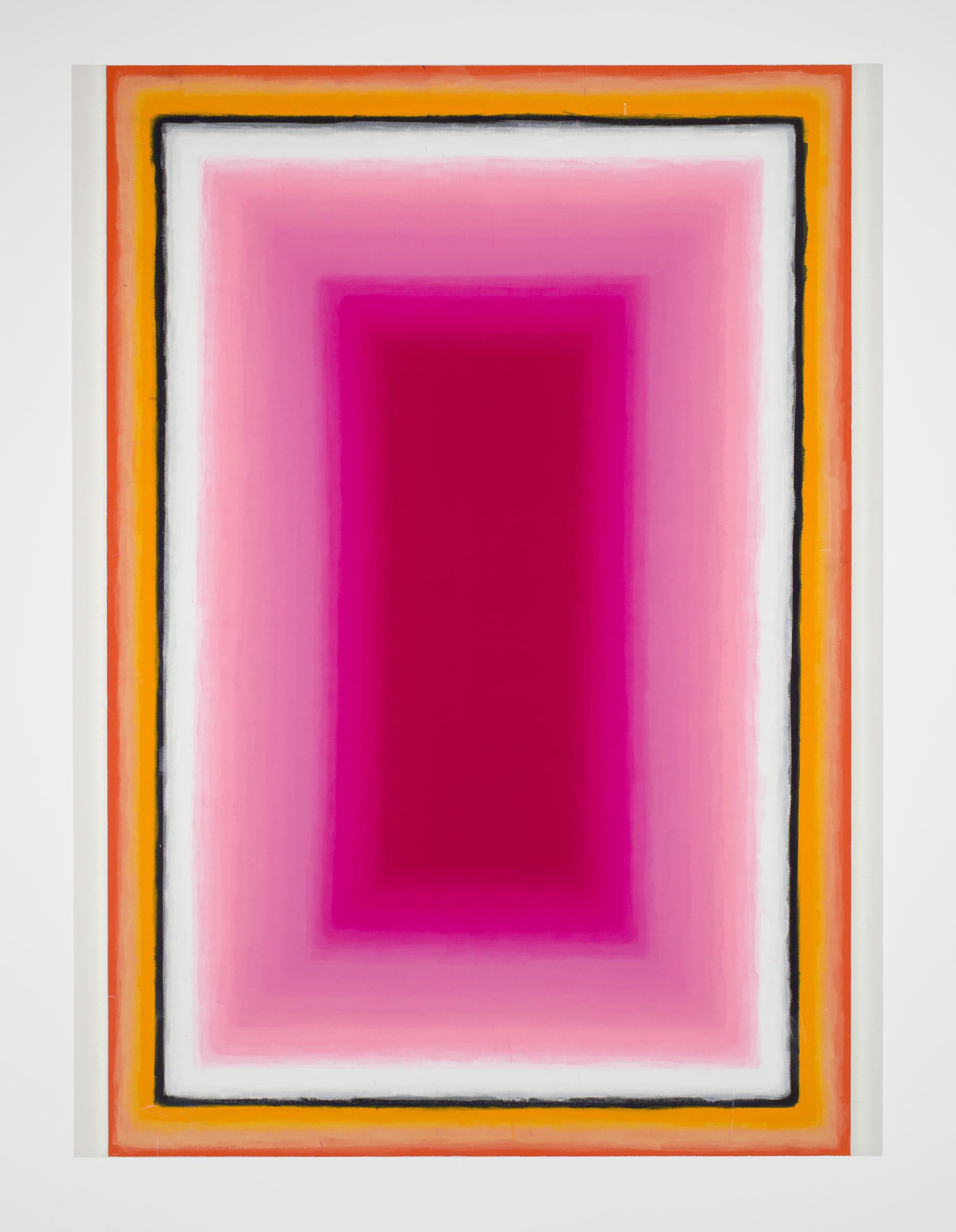
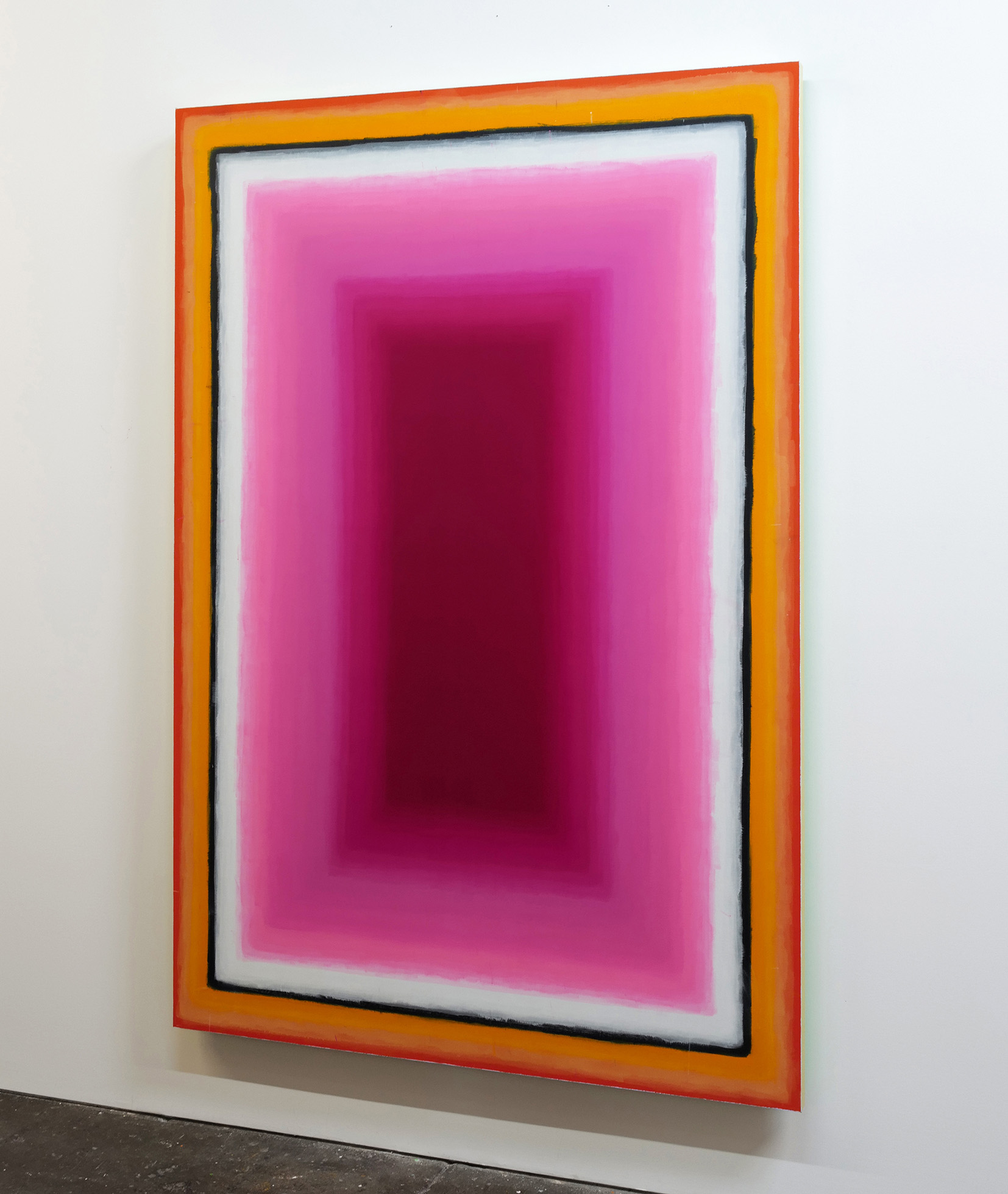
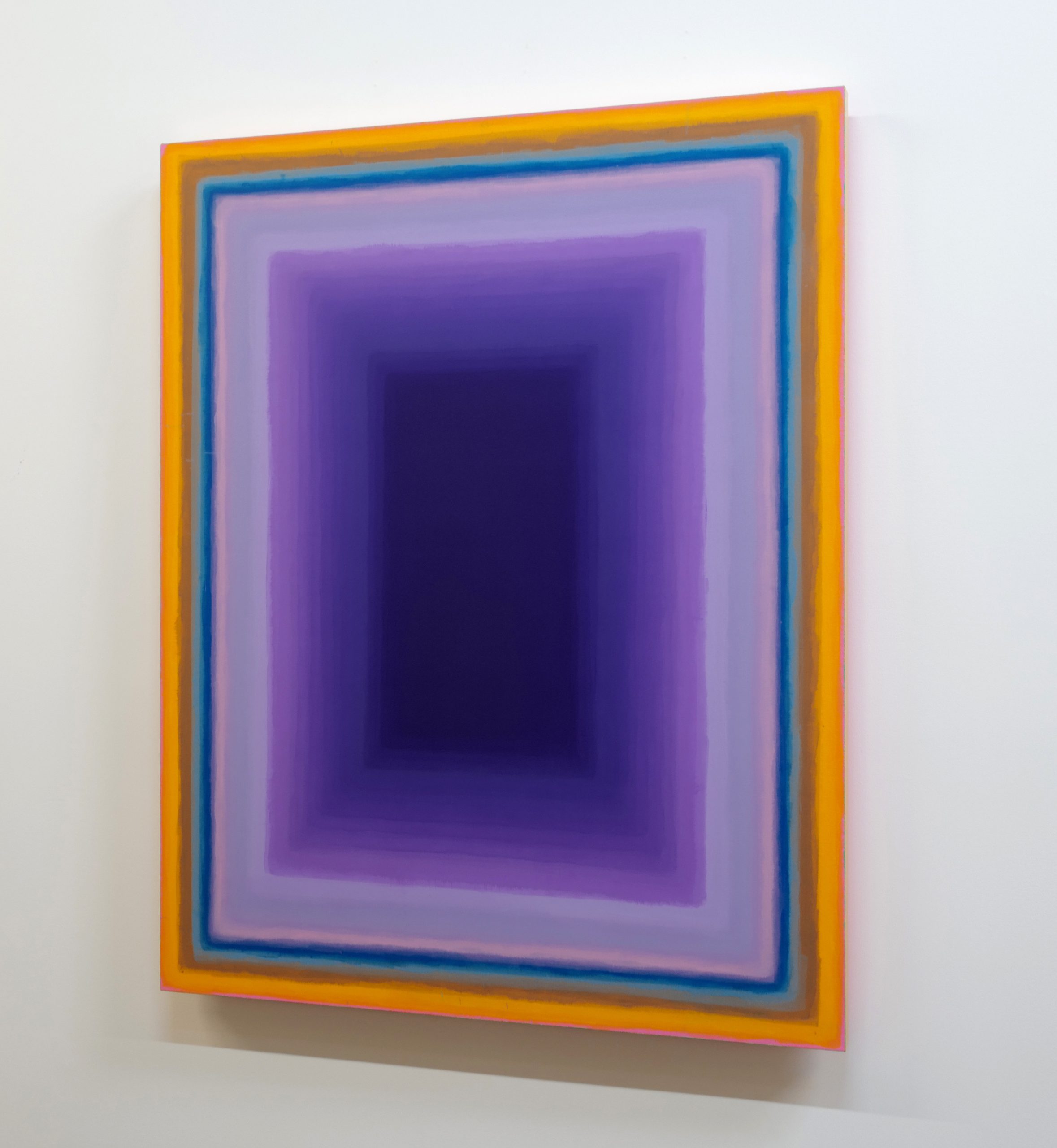
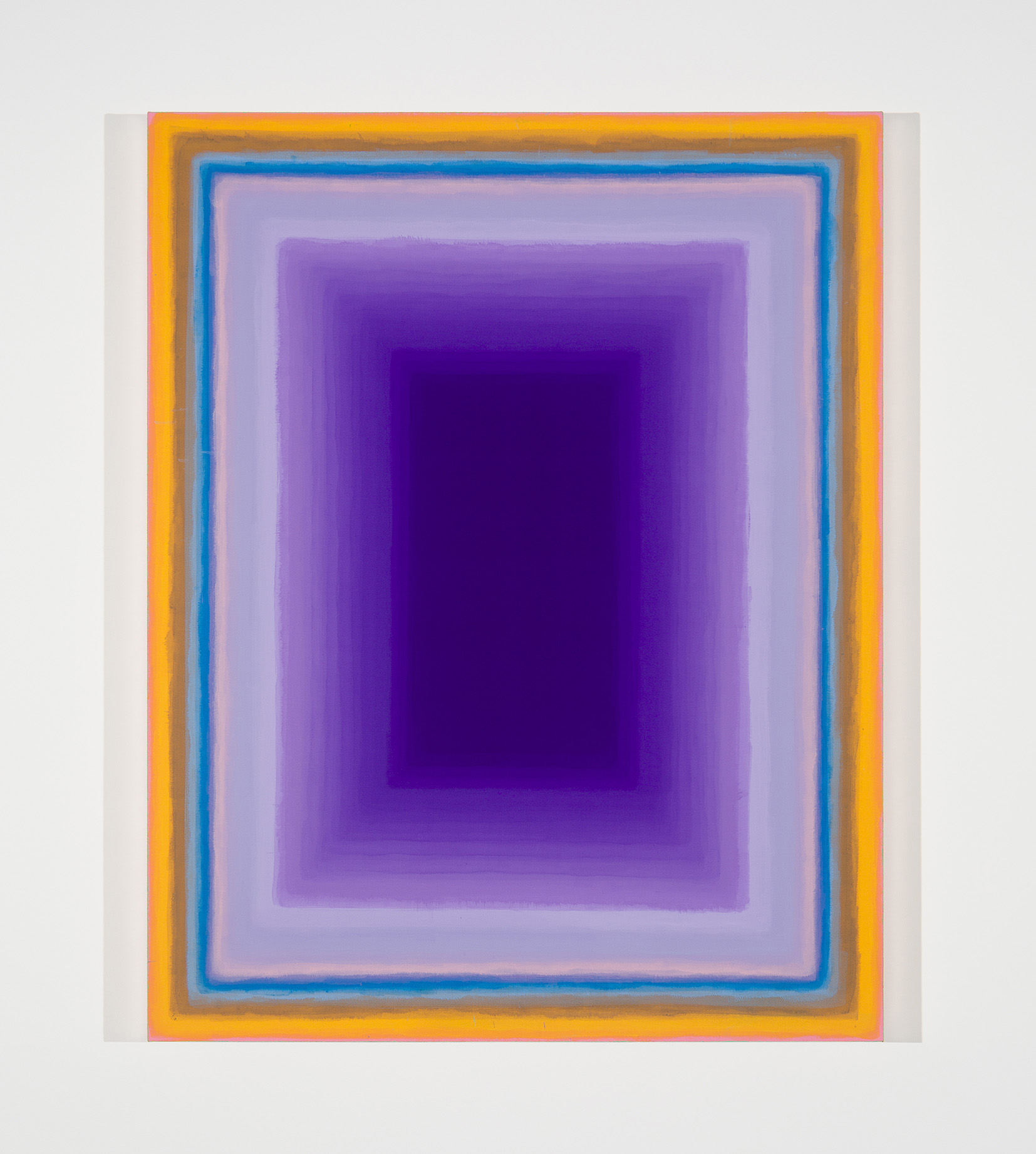
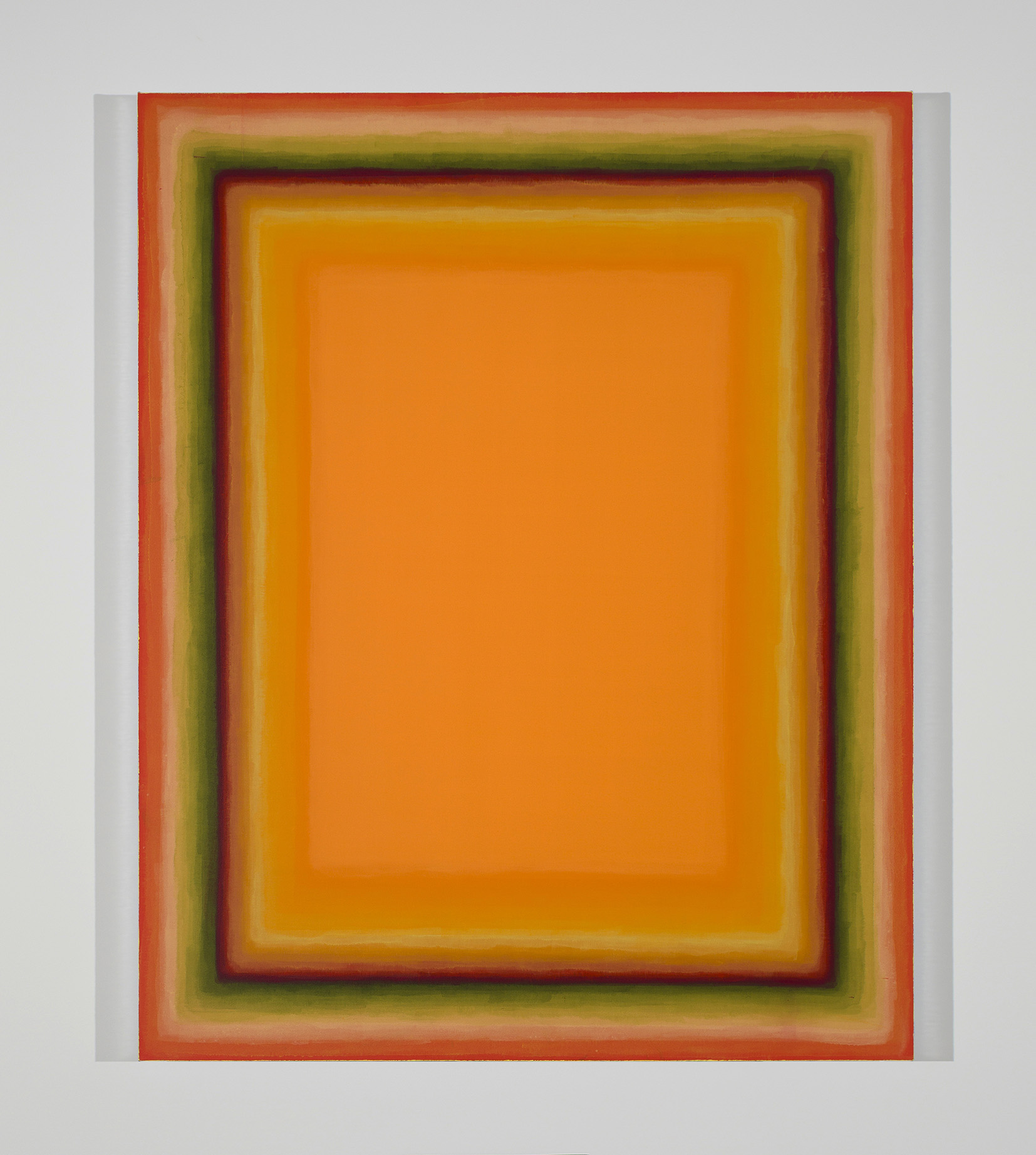
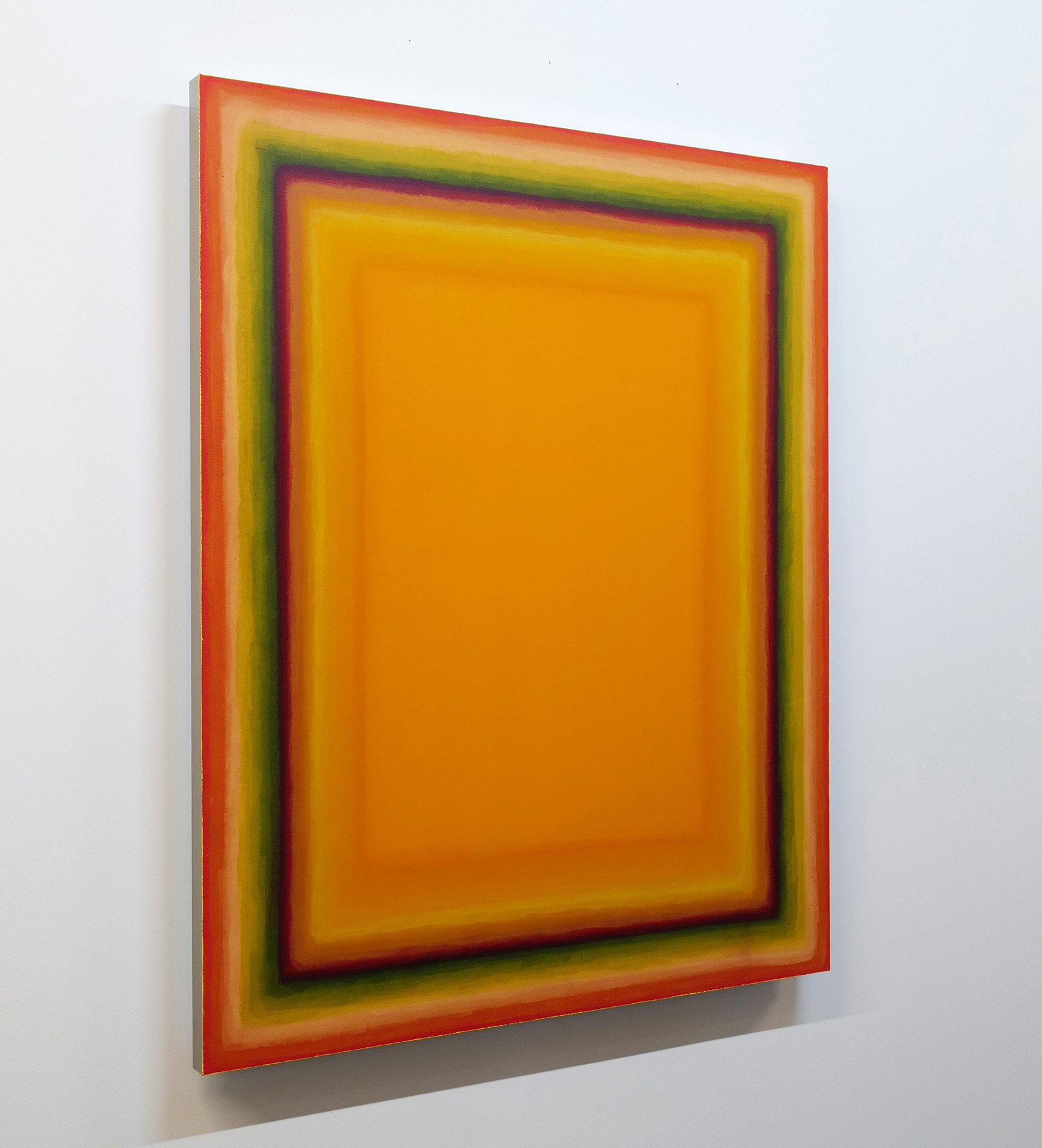
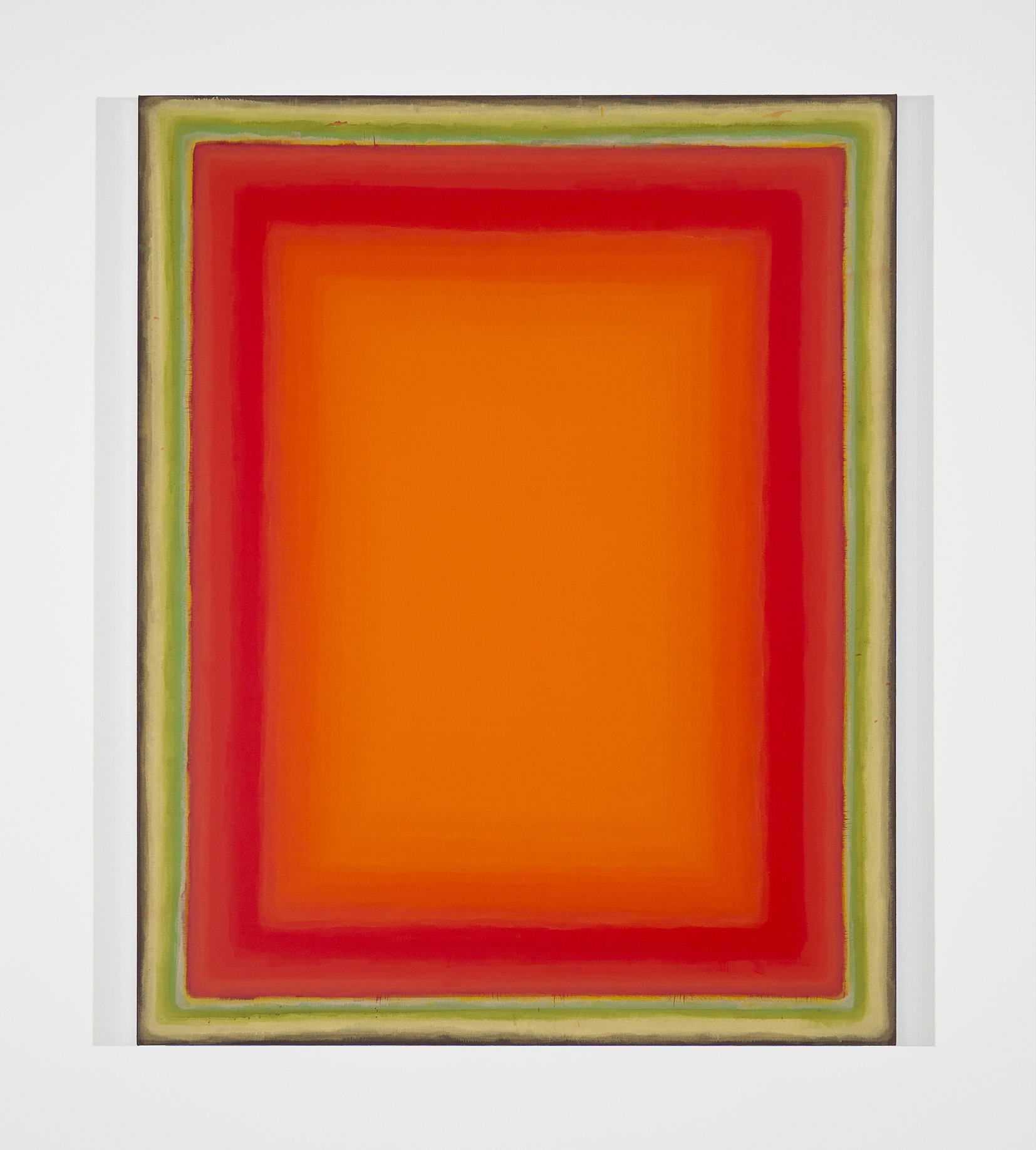
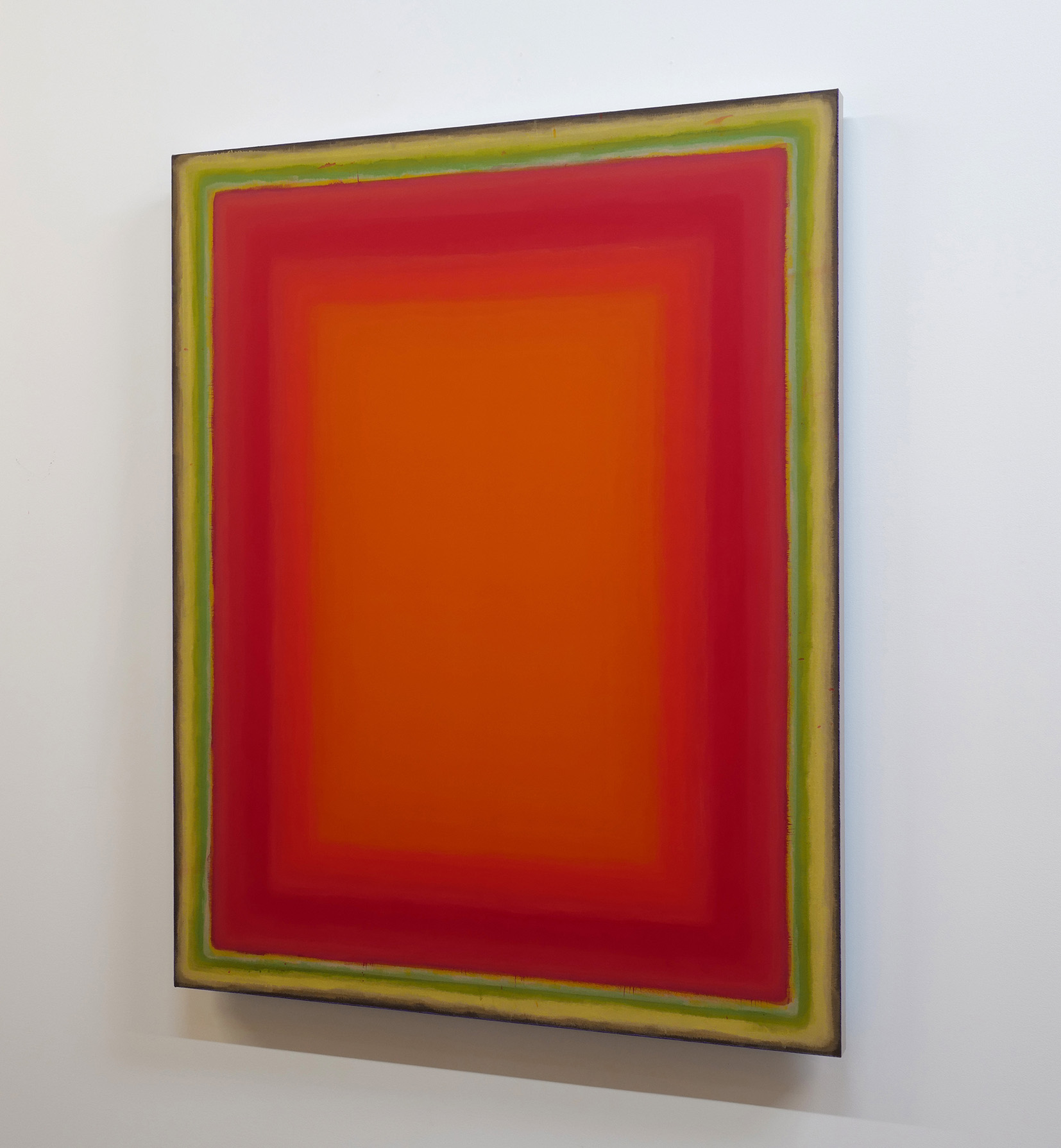
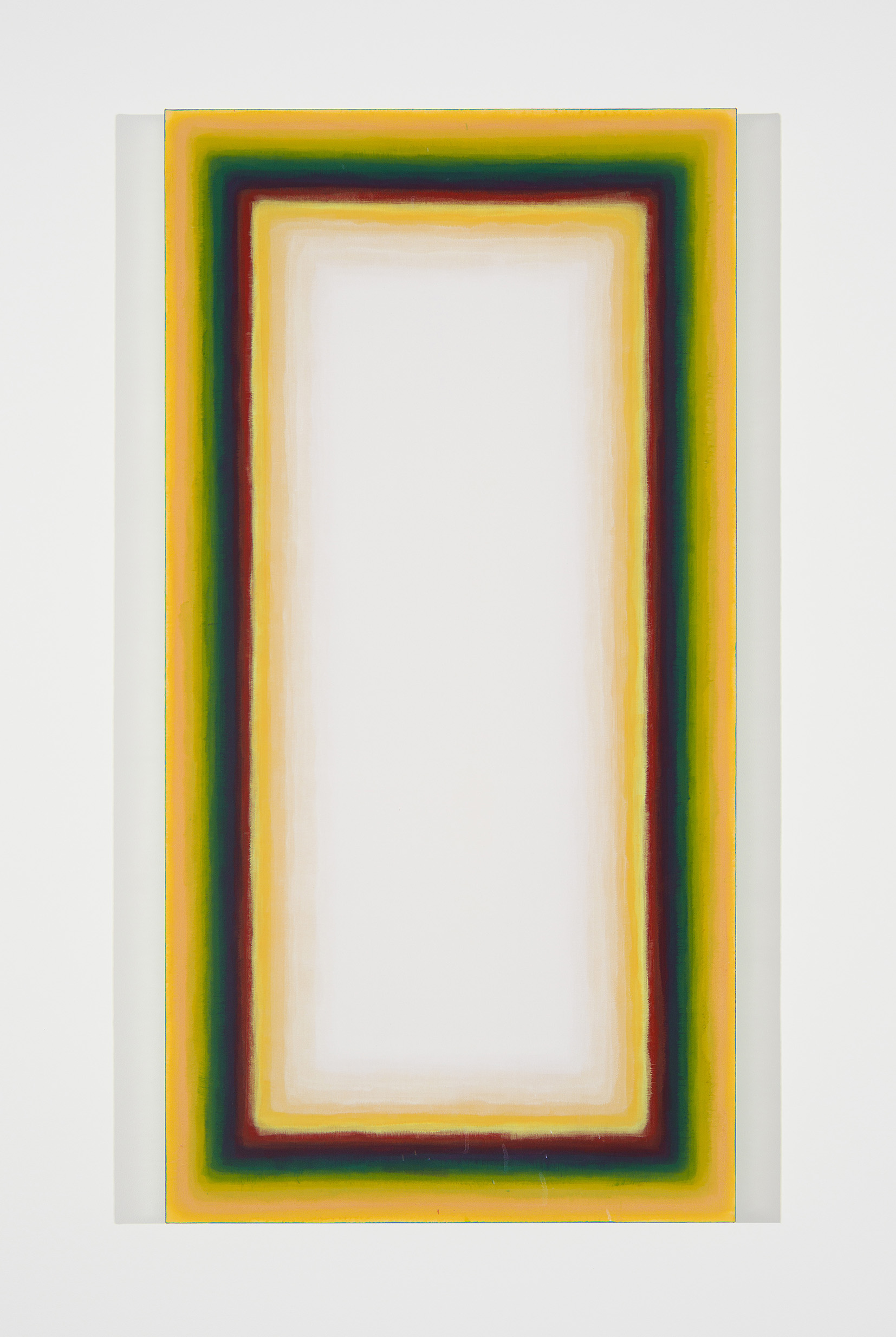
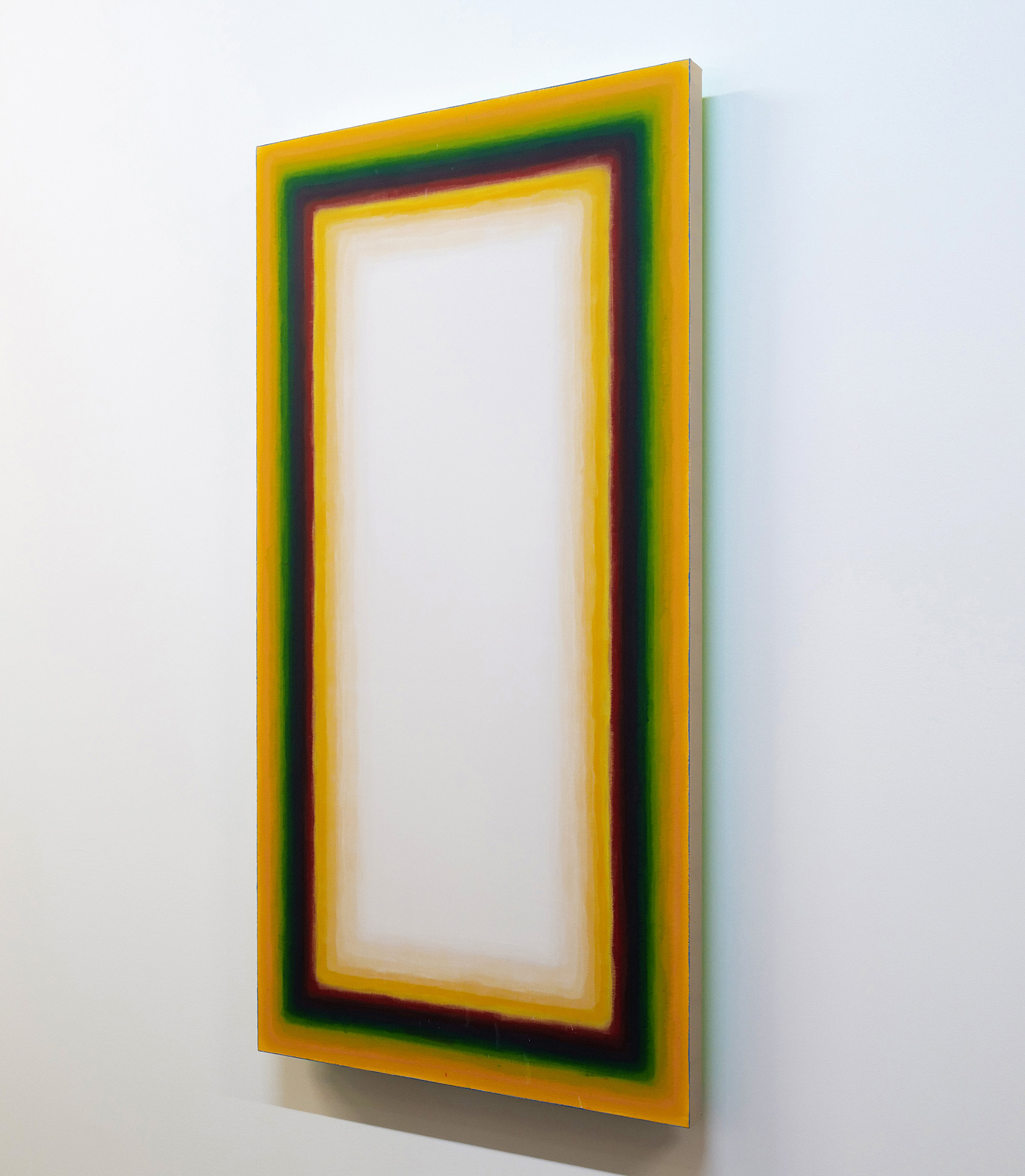
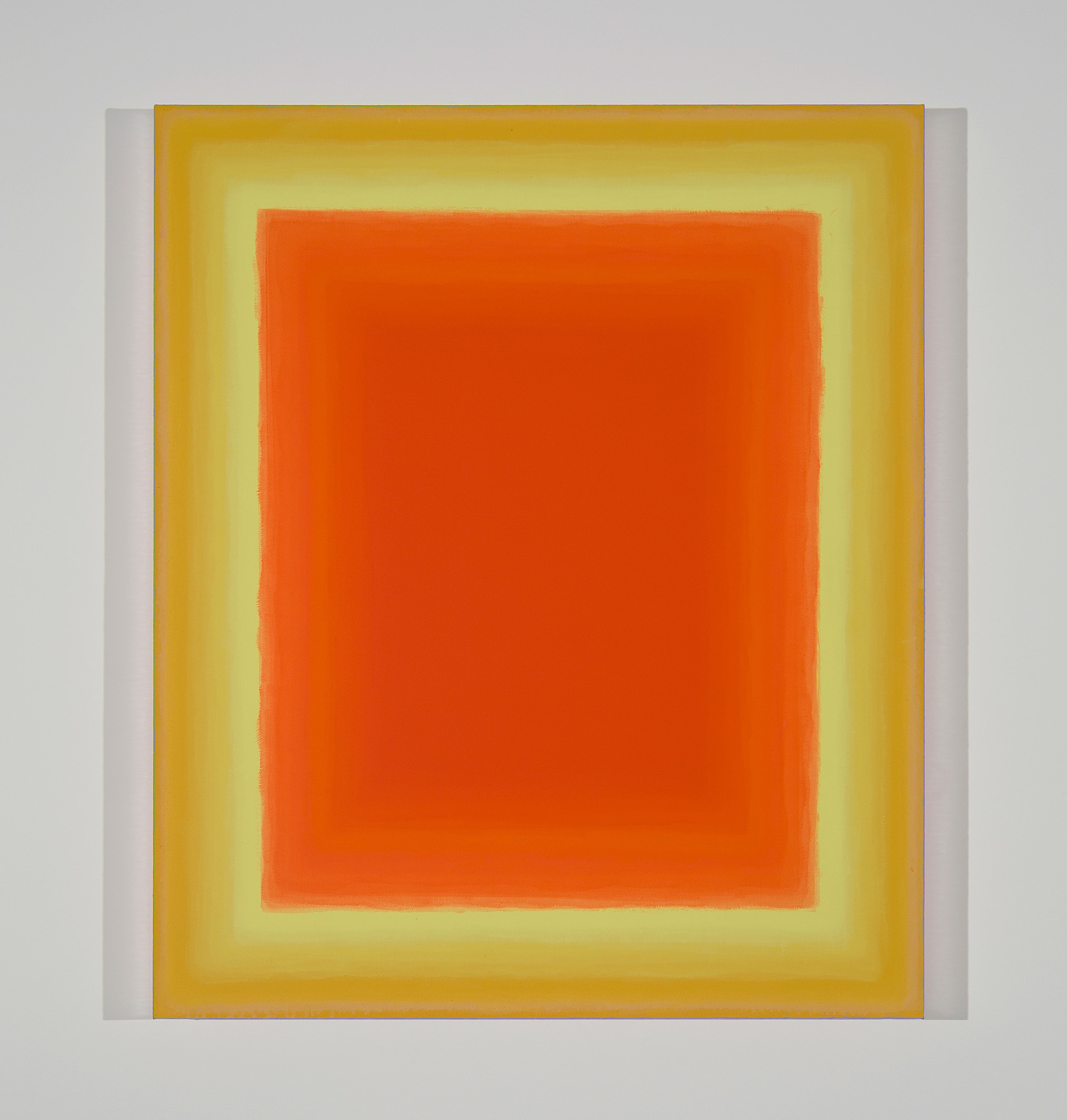
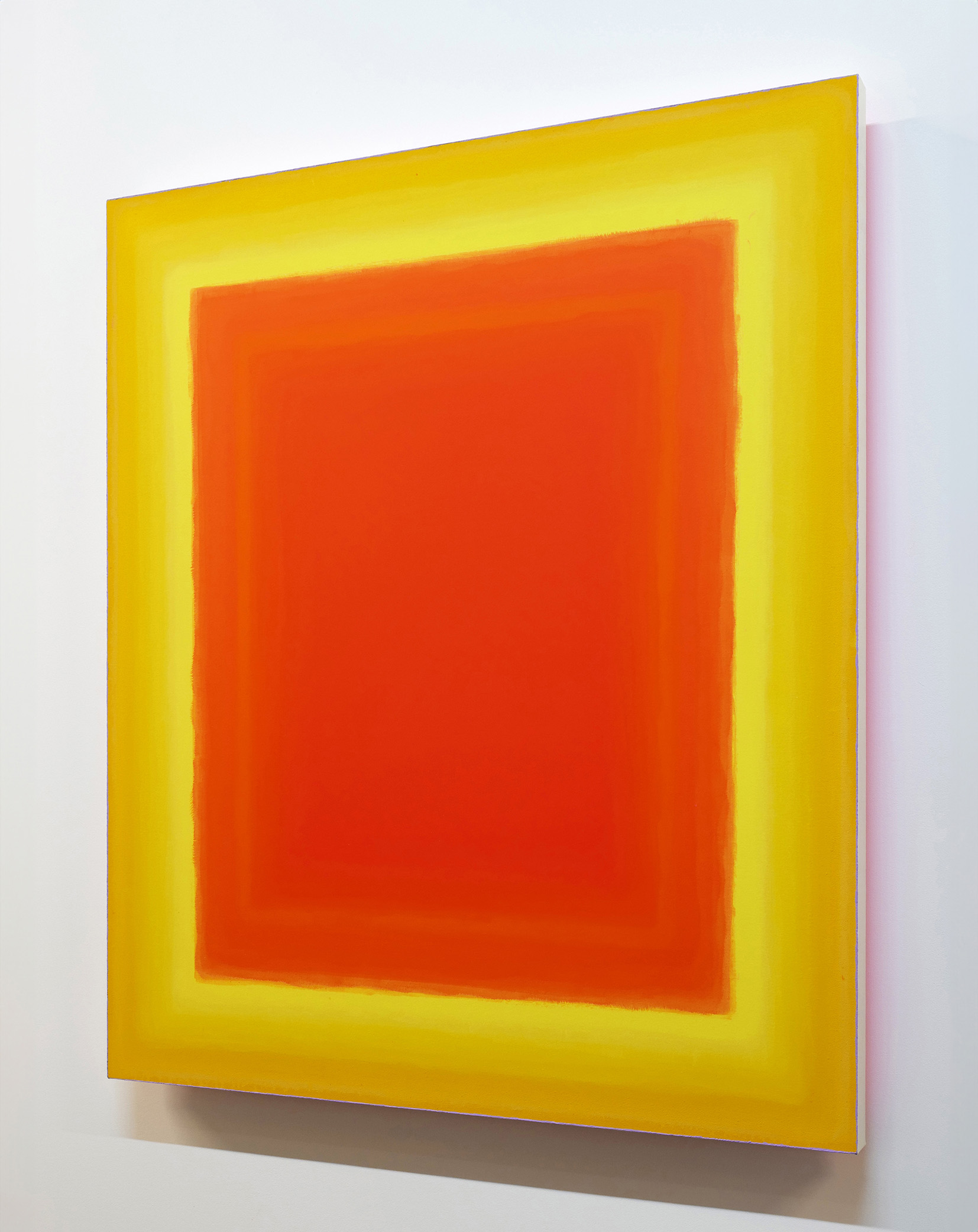
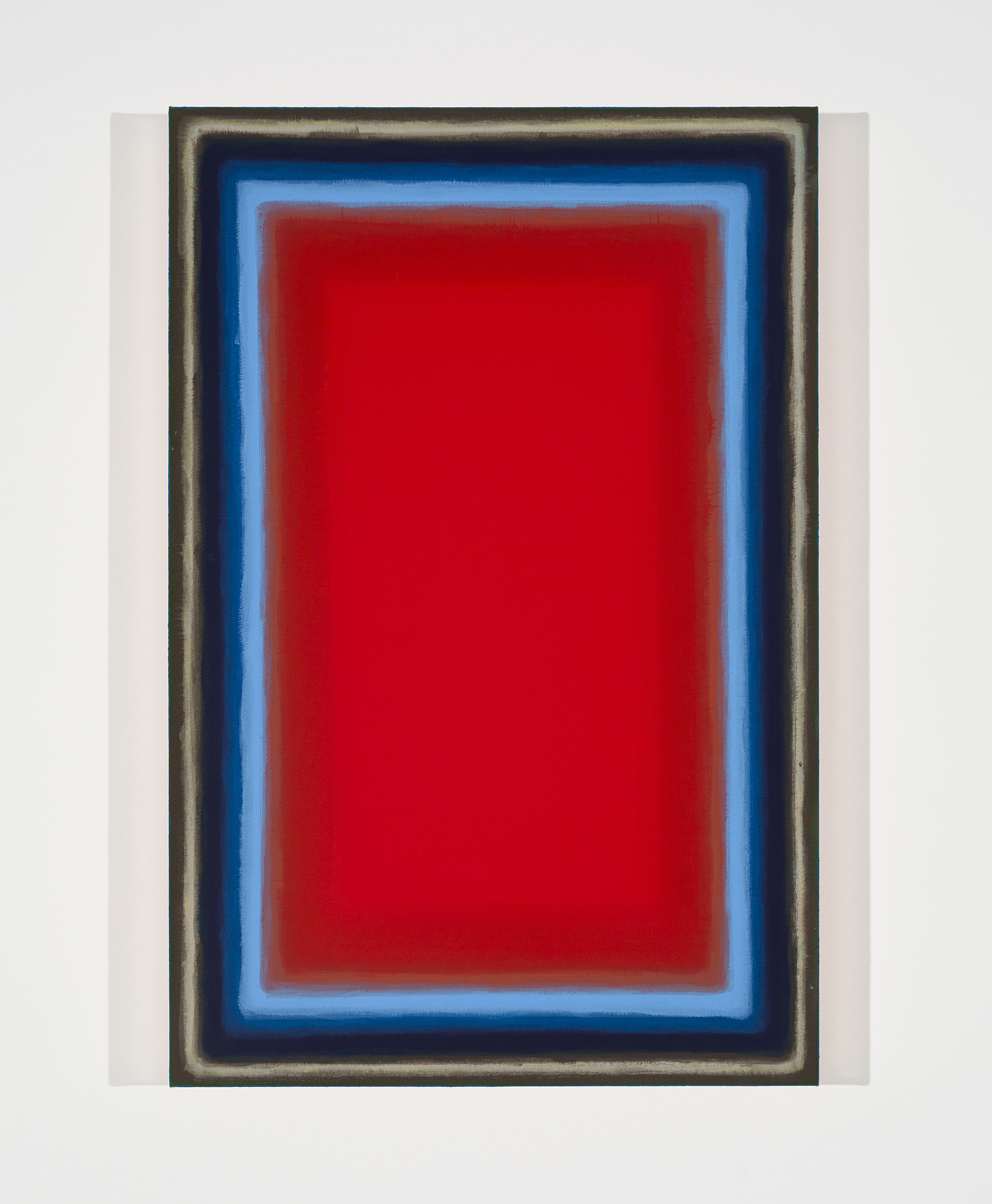
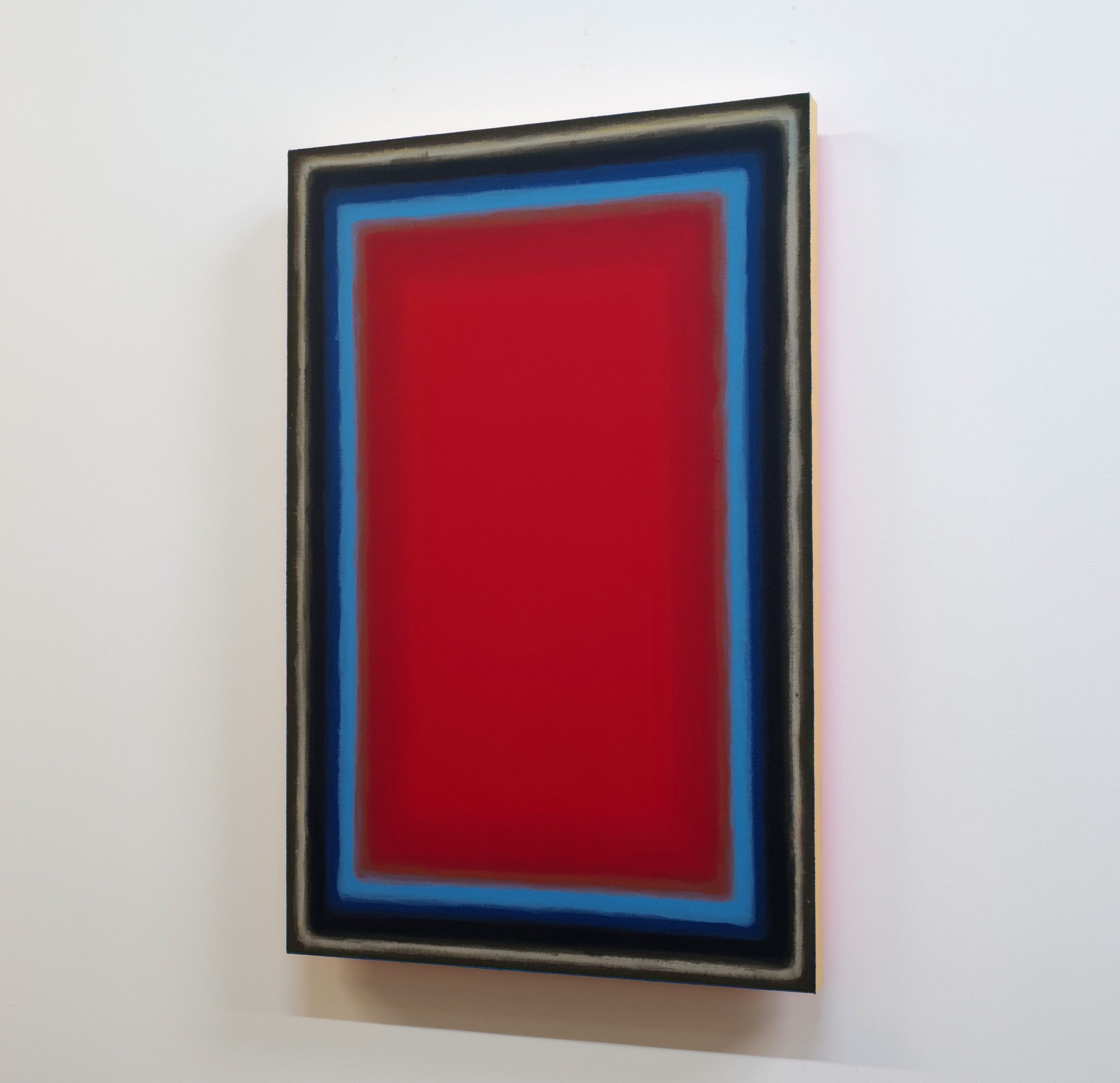
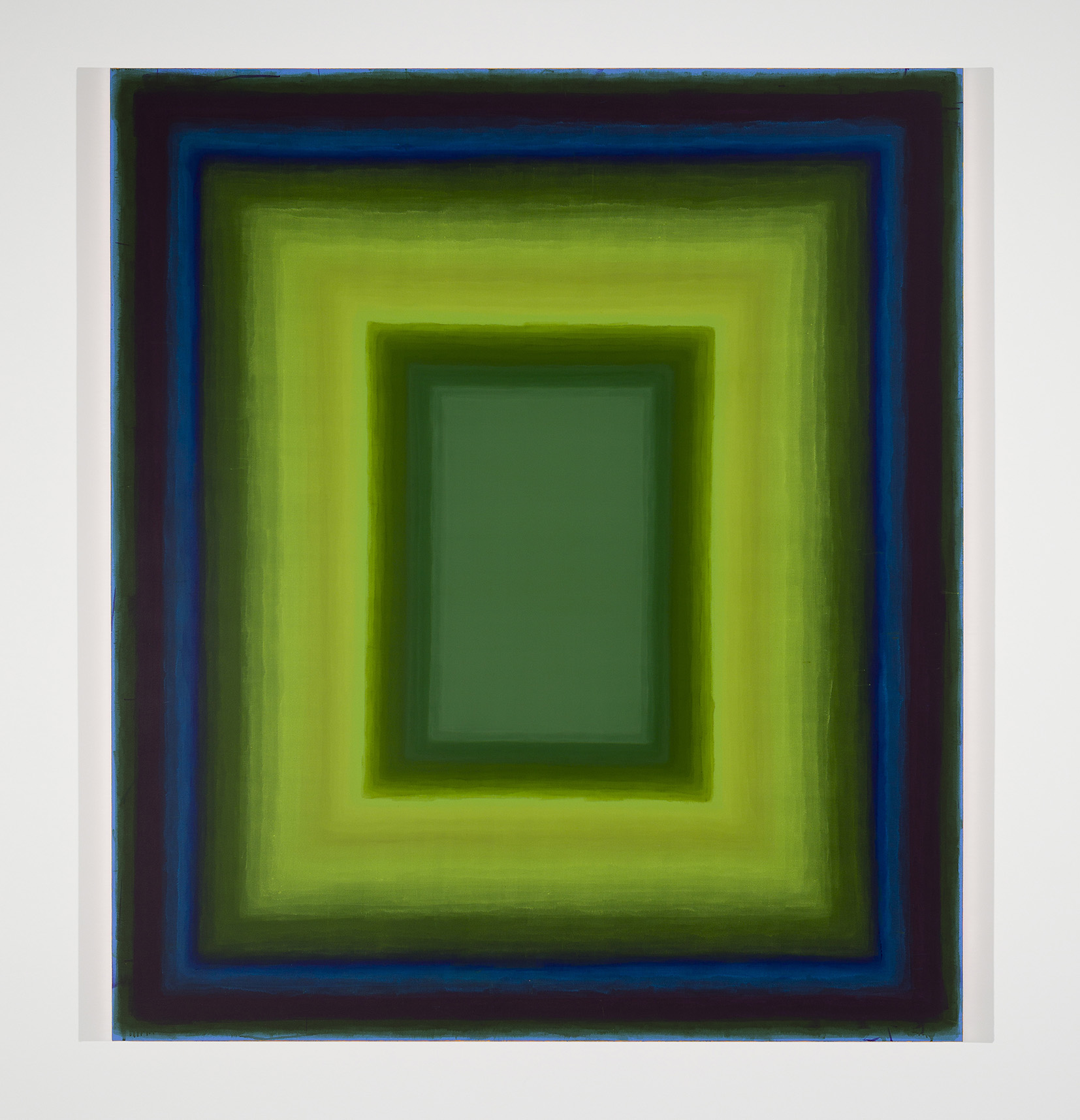
Nikolic’s new exhibition, Through a Vale of Egregores, which celebrates twelve paintings by Rothko, come to us with less obligation, less doctrine. They present an open invitation to experience joy as much as solemnity, preferring ecstasy over agony. Yet for all their chromatic precociousness these new paintings operate without the flamboyant adornments that have been largely inseparable from Nikolic’s exotic colour-field painting over almost two decades.
Setting the ornamentation of frame aside, these new paintings are not completely ‘unplugged’, but they are in a sense more exposed. And what is revealed is even more of Nikolic’s gloriously irrational and very personal exploration of colour. Though he has long been a student to various esoteric colour theories, these paintings are certainly not a treatise on colour theory, rather they are a deeply held personal expression of a shared belief in colour’s capacity to wield emotional and symbolic clout. Consider yourselves warned.
Colour has always swayed Nikolic, buffeting his senses with its visual frequency, knocking him off kilter in the most welcome way. I have always thought he was keen to provoke a not dissimilar sense of vertigo and unease in us. Yes, he wants to draw us to the beautiful transitions in pigment, to overwhelm any natural hesitation or reserve with the sheer density of colour that he has established, but he also wants to put us back on our heels just a little, making us a little unsure of what and whom we are about to encounter.
This is perhaps where Rothko and Nikolic actually meet… at the crossroads of seduction and drama, a place where Rothko offered absinthe, and Nikolic a pink martini. Both painters want that you are undone… unbuttoned by their works and both want you to believe in the transformative possibilities that elevated painting can offer.
The heavy weight aspirations that Rothko sought for painting, particularly his own, are lighter in Nikolic. The contusions Rothko delivered to the viewer were made clear in his statement… “I would like to say to those who think of my pictures as serene, whether in friendship or mere observation, that I have imprisoned the most utter violence in every inch of their surface.”
For all their parrying and contest, there is little evidence of violence in Nikolic’s paintings. They are simply too flirtatious, and contest ultimately settles into détente.
However, for all the policy agreements he makes between the chromatic factions, this atmosphere can swiftly fly into some clear-air turbulence. Out of nowhere Nikolic can substitute precocious playfulness for volatility. This energy and friction is critical to Nikolic’s compositions – both their impact on us and ultimately their veracity as paintings.
For the most part we can see this in the series of oscillating edges that form the chromatic tidal lines, where he and his brushes have been. However, these concoctions are not the result of a known or systemic process and Nikolic doesn’t know exactly where this orienteering journey will end. Yes, there is a map in his mind but more often than not, it feels as if he has folded it away and put it in his back pocket.
The overlaying of final pigments doesn’t negate the significance of those below. Indeed, what we perceive in the central form is altered by the strata of colour beneath, by the density and translucency of the layers. In this sense what we perceive is determined by history – personal and shared.