Points of Orientation
‘…In ancient cultures artists sought to make the same things as had the generations before them. Artworks were also existential points of orientation. In this capacity they fulfilled their moral obligation. Meaning and its materialised manifestations, was not called into question. The artwork had the dignity that was due to it – something that I do so dearly miss today.’
– Helmut Federle 1992.
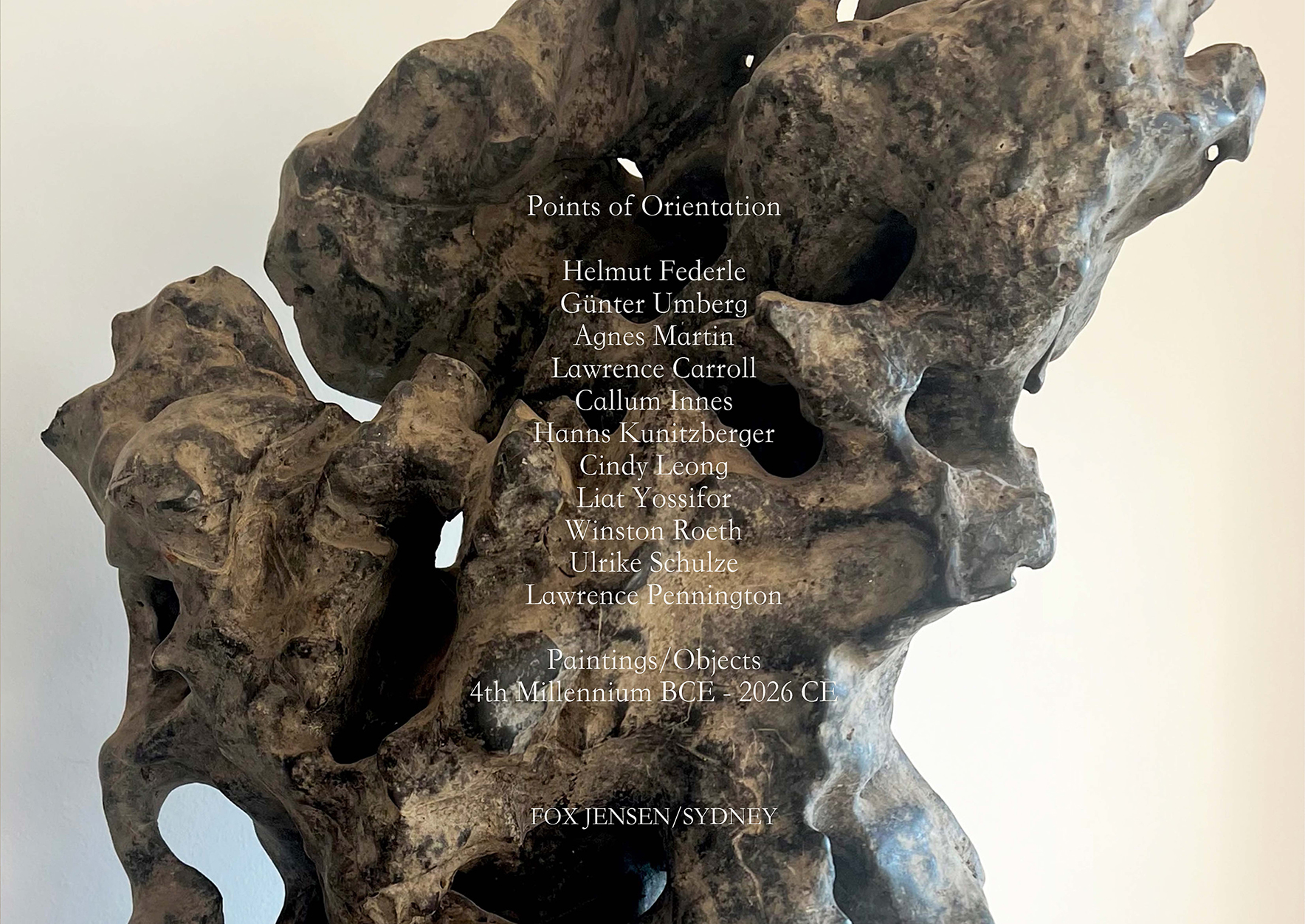
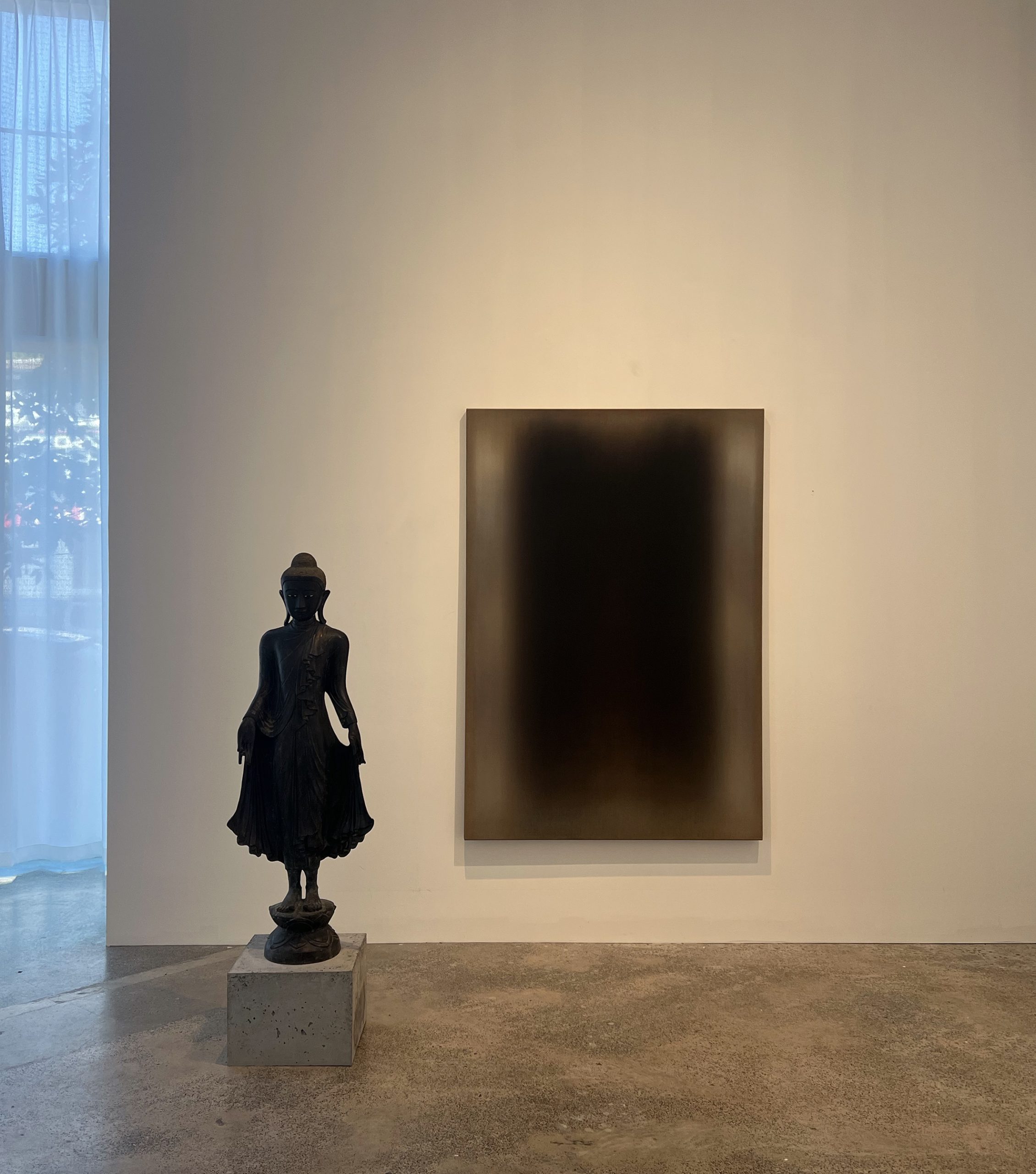
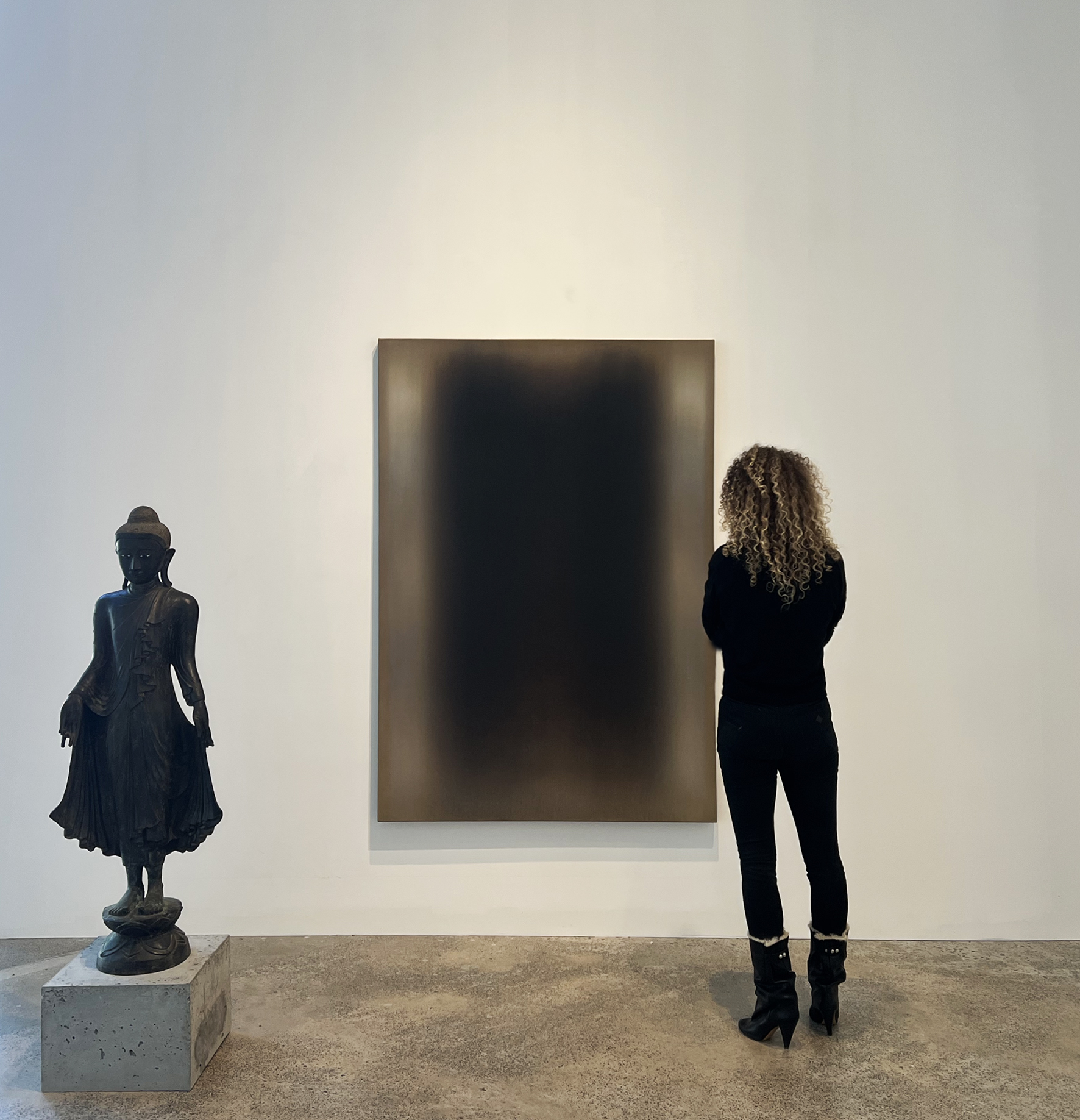
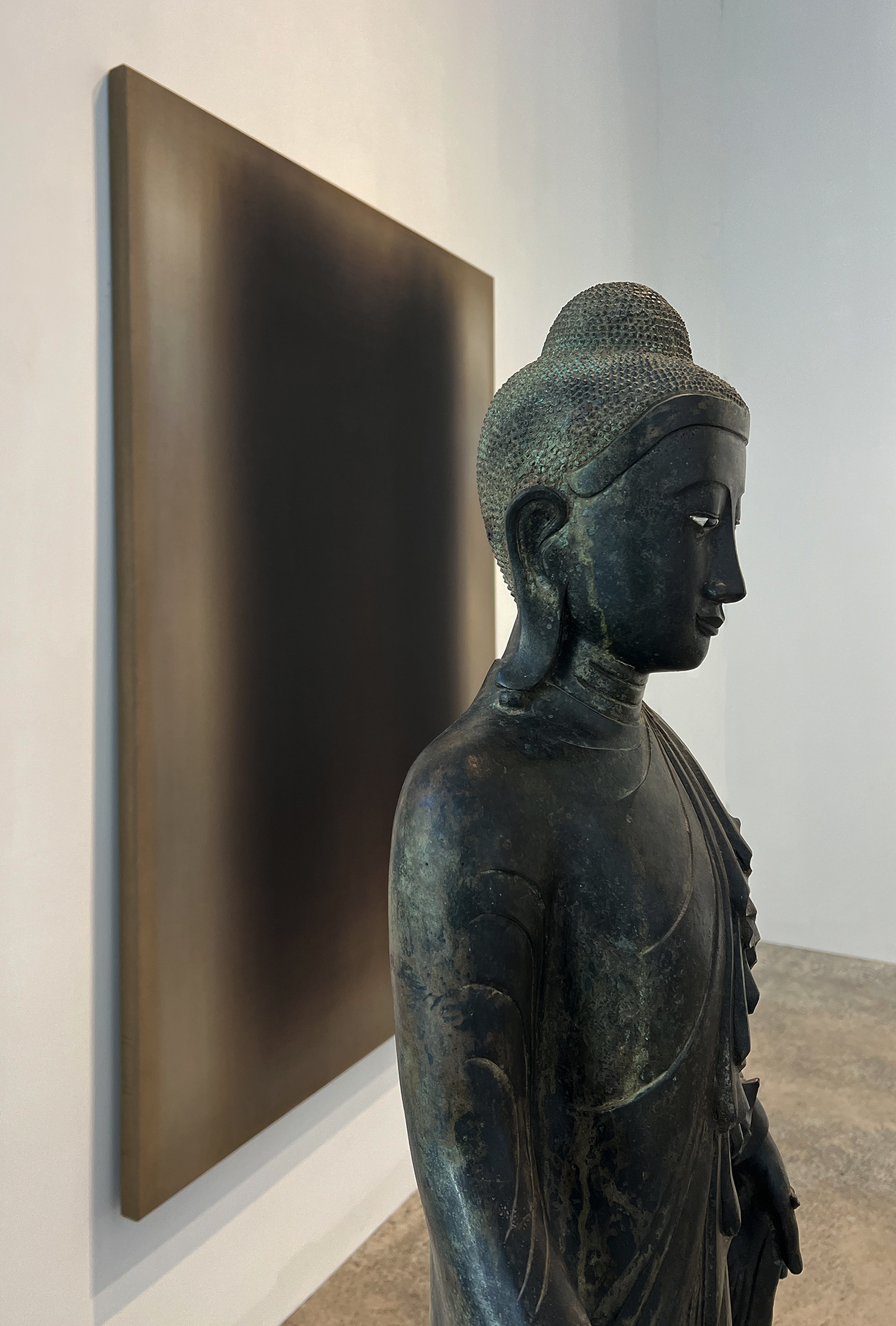
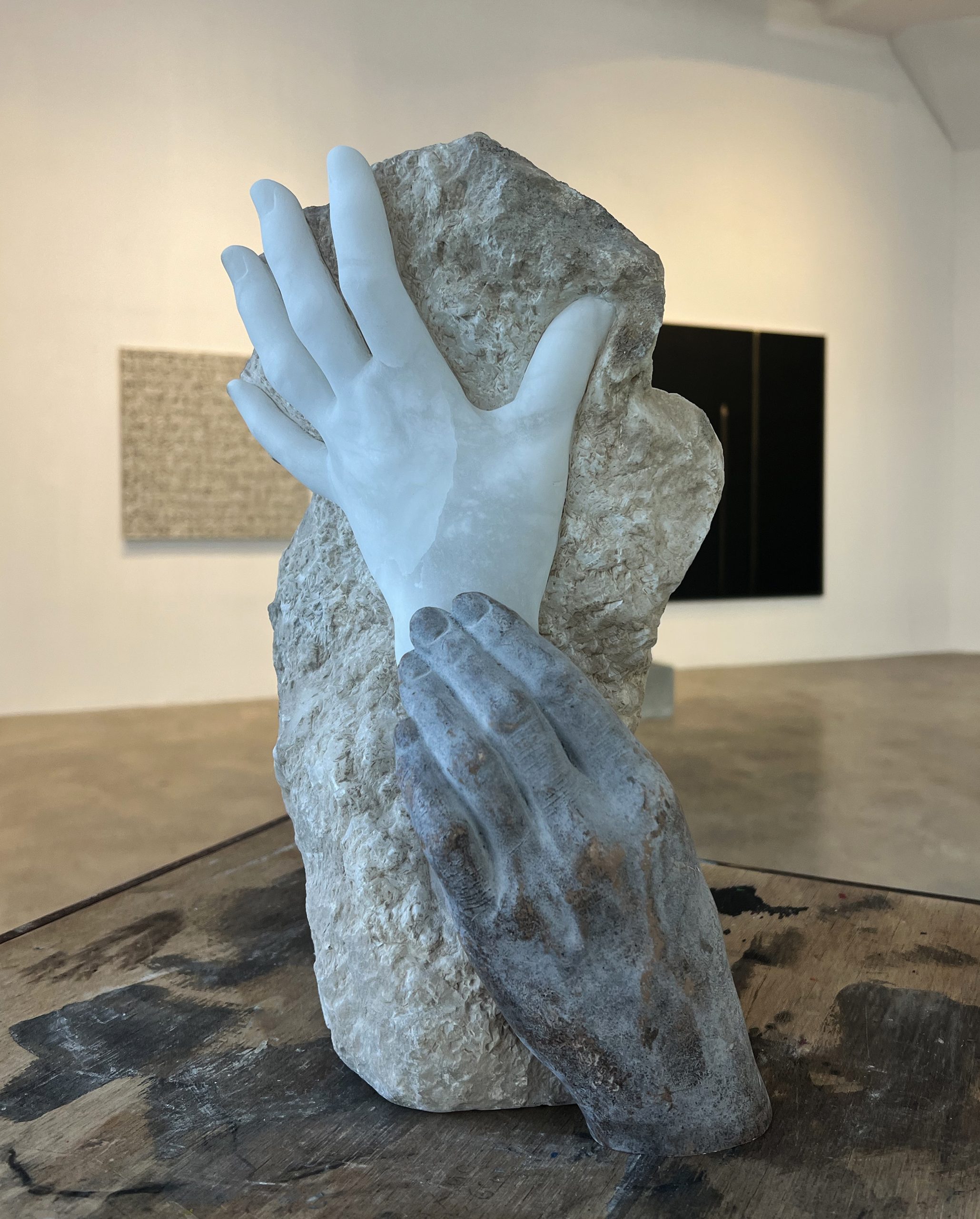
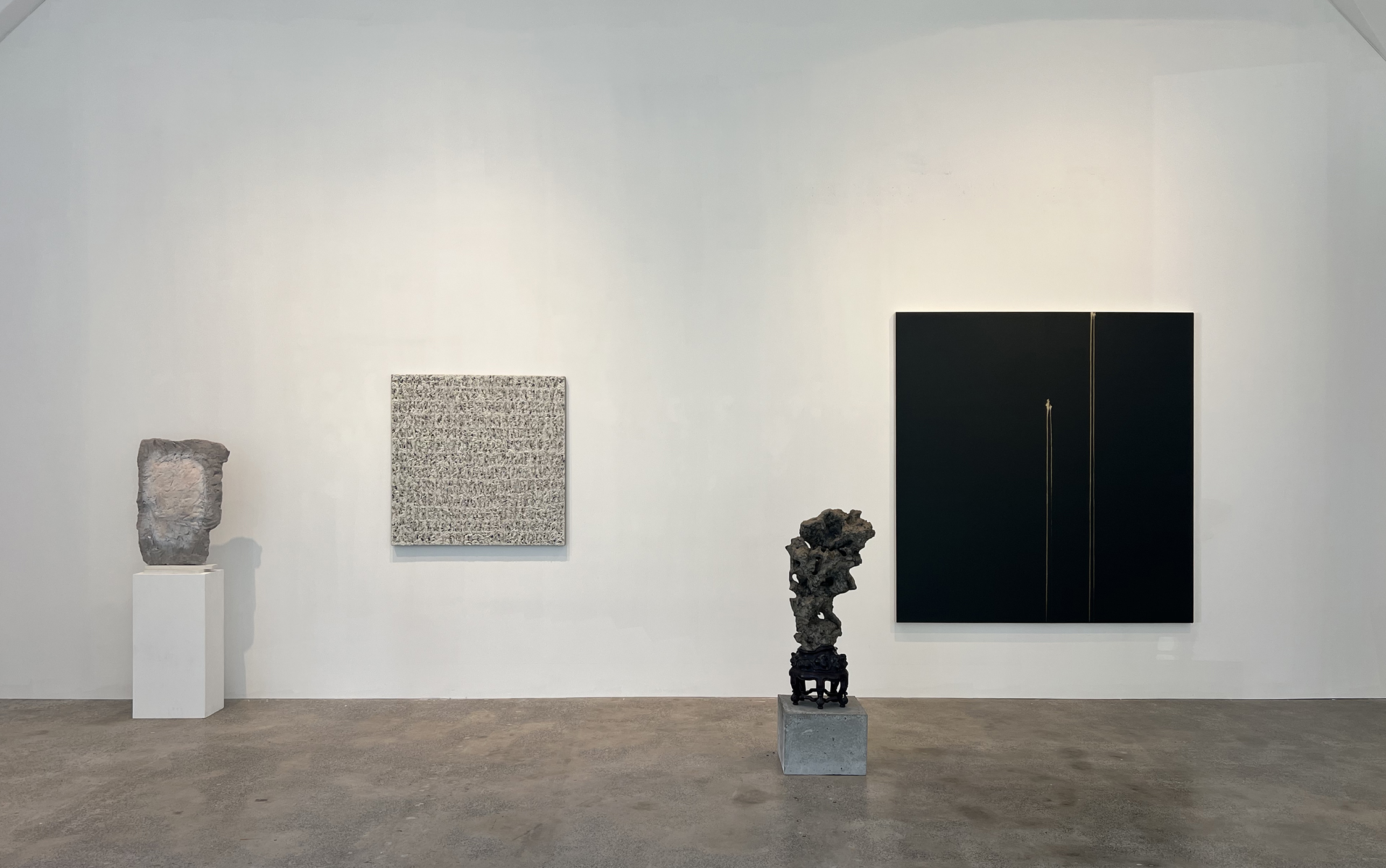
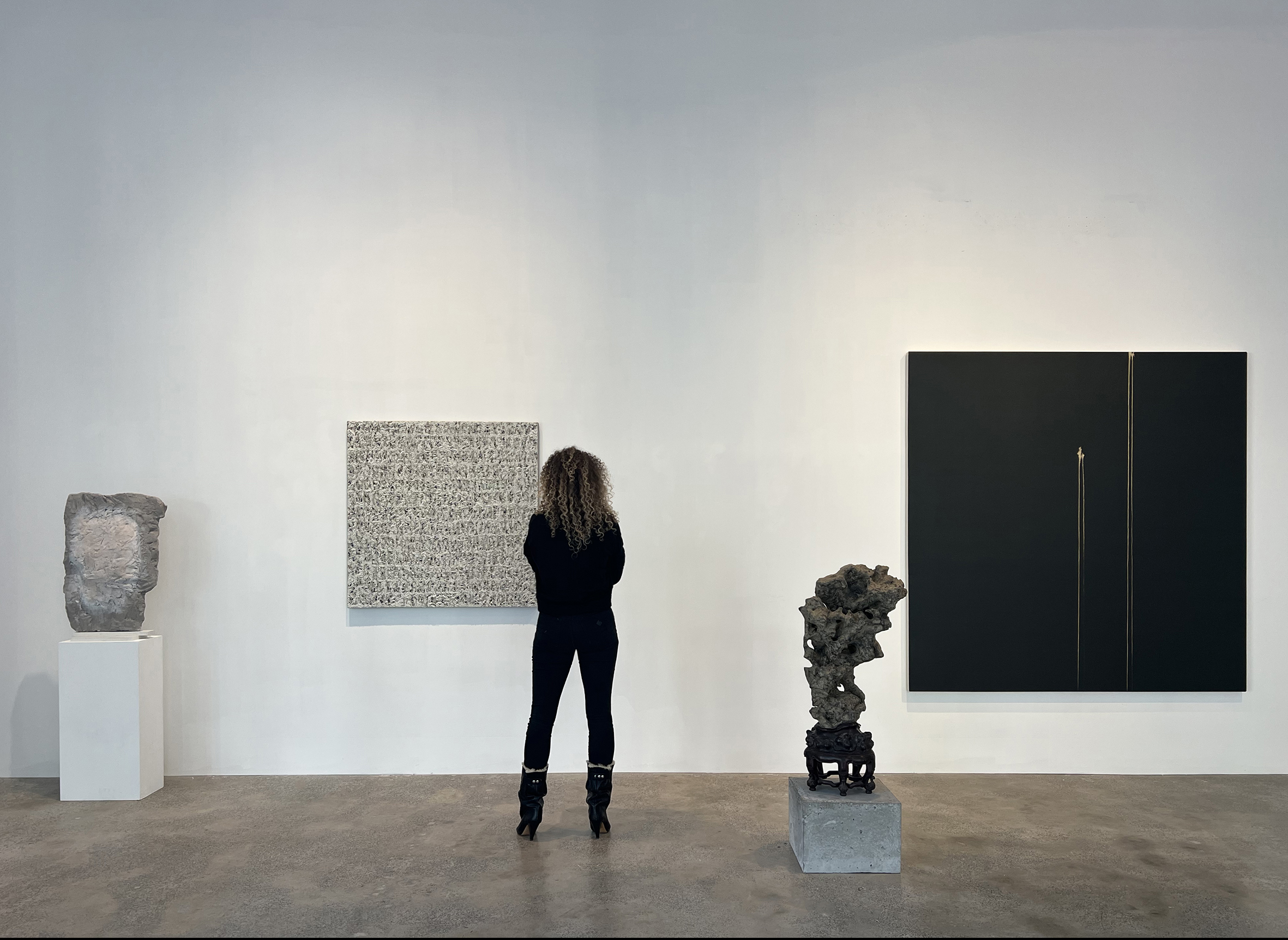
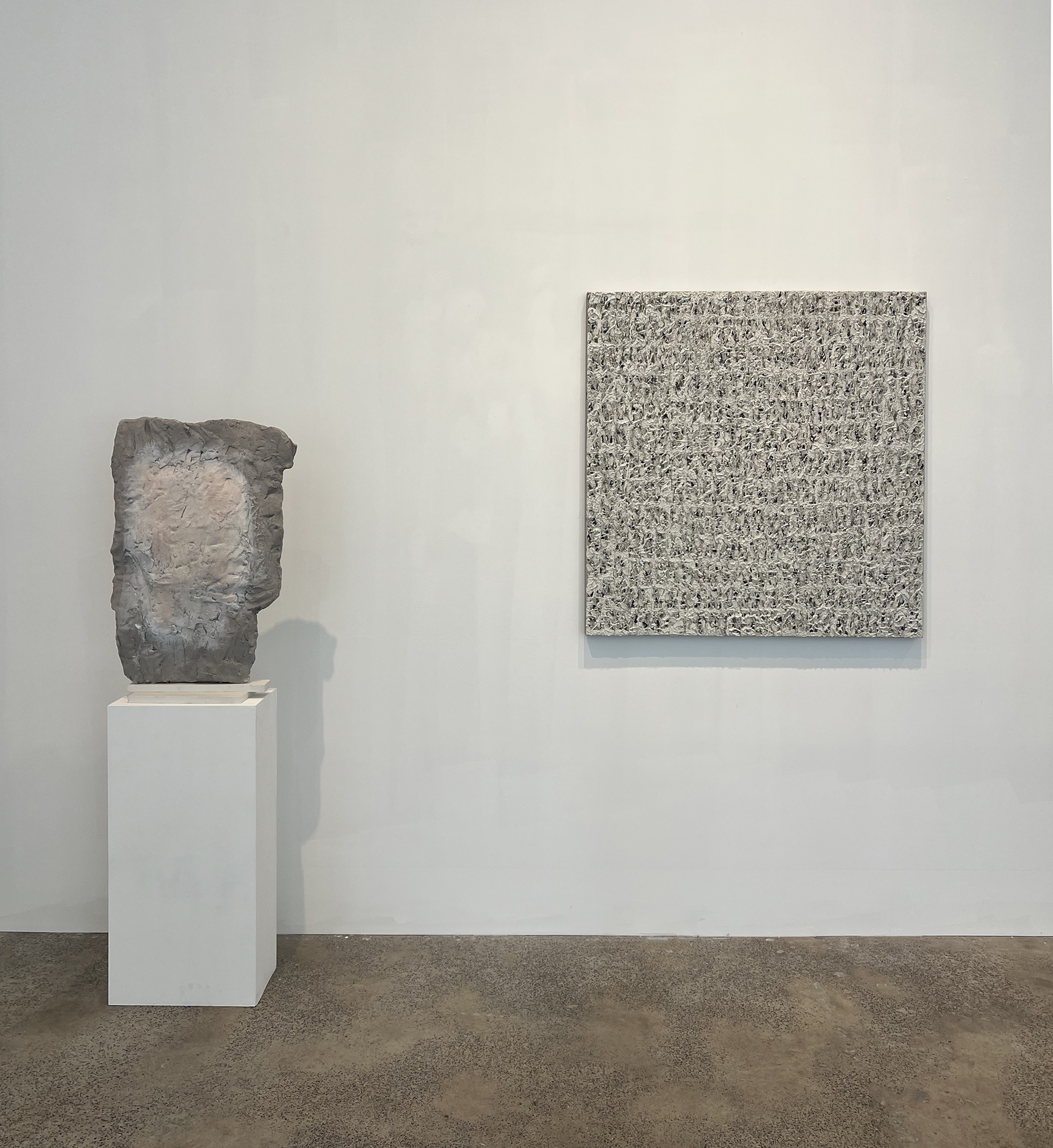
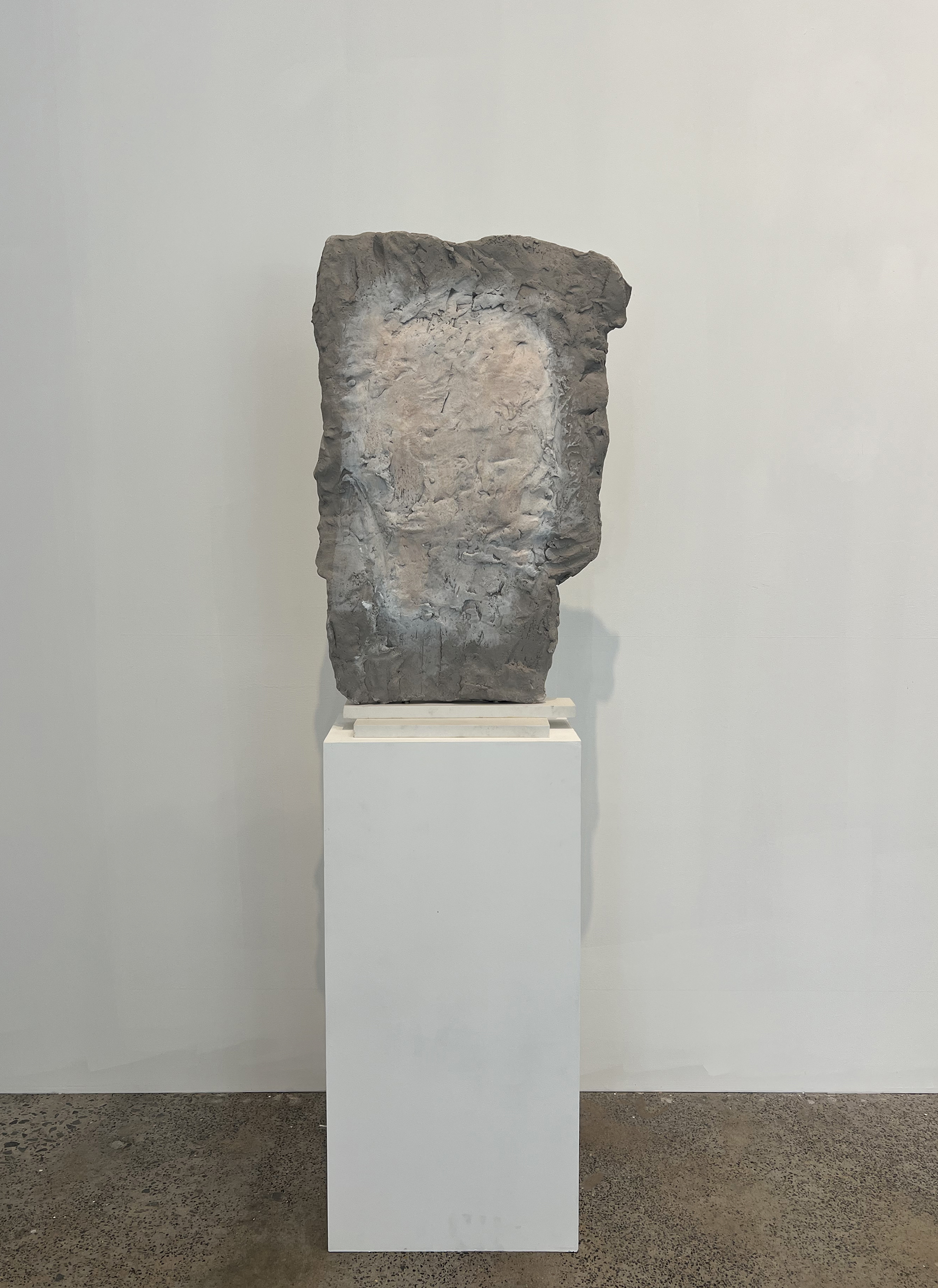
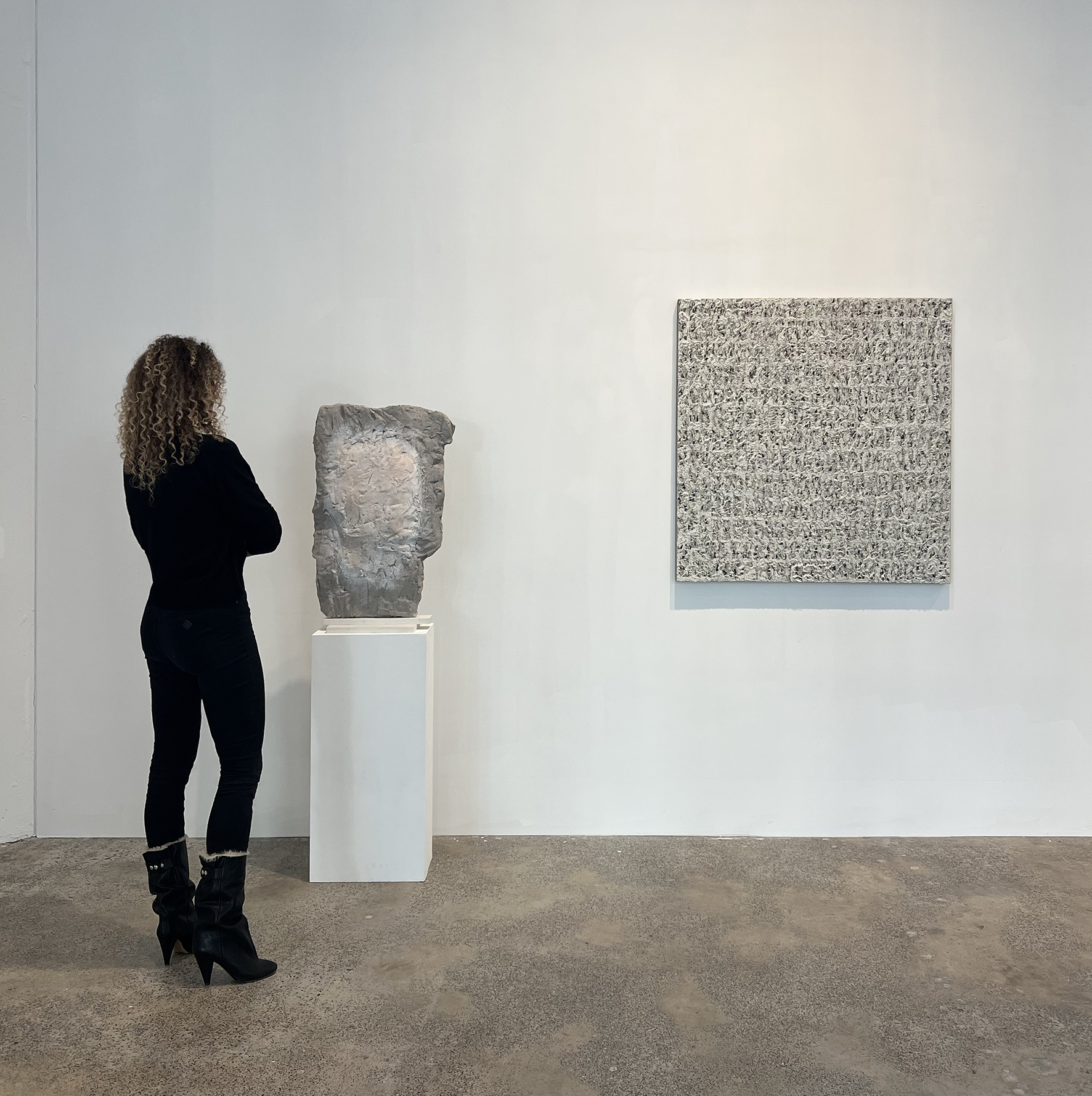
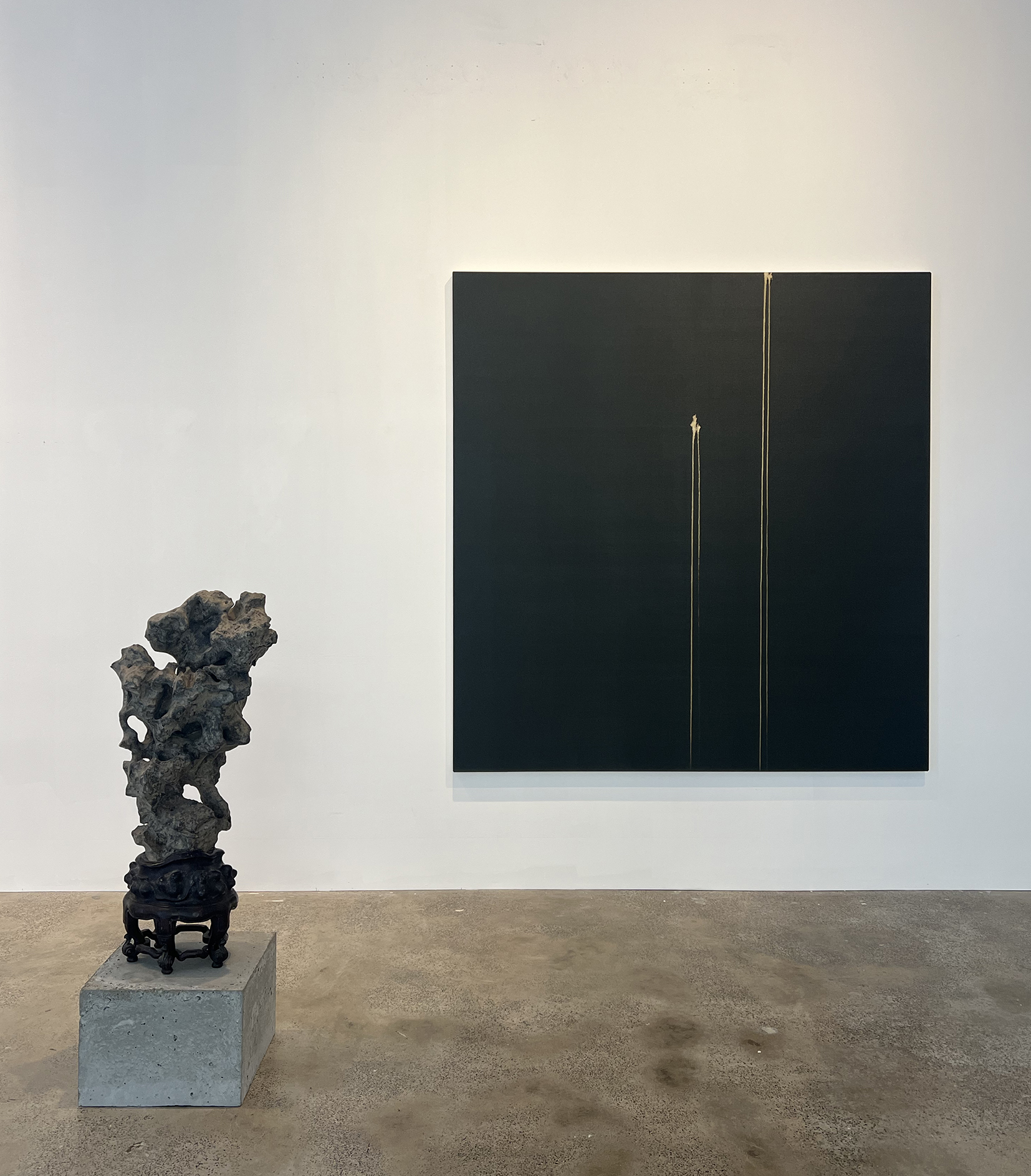
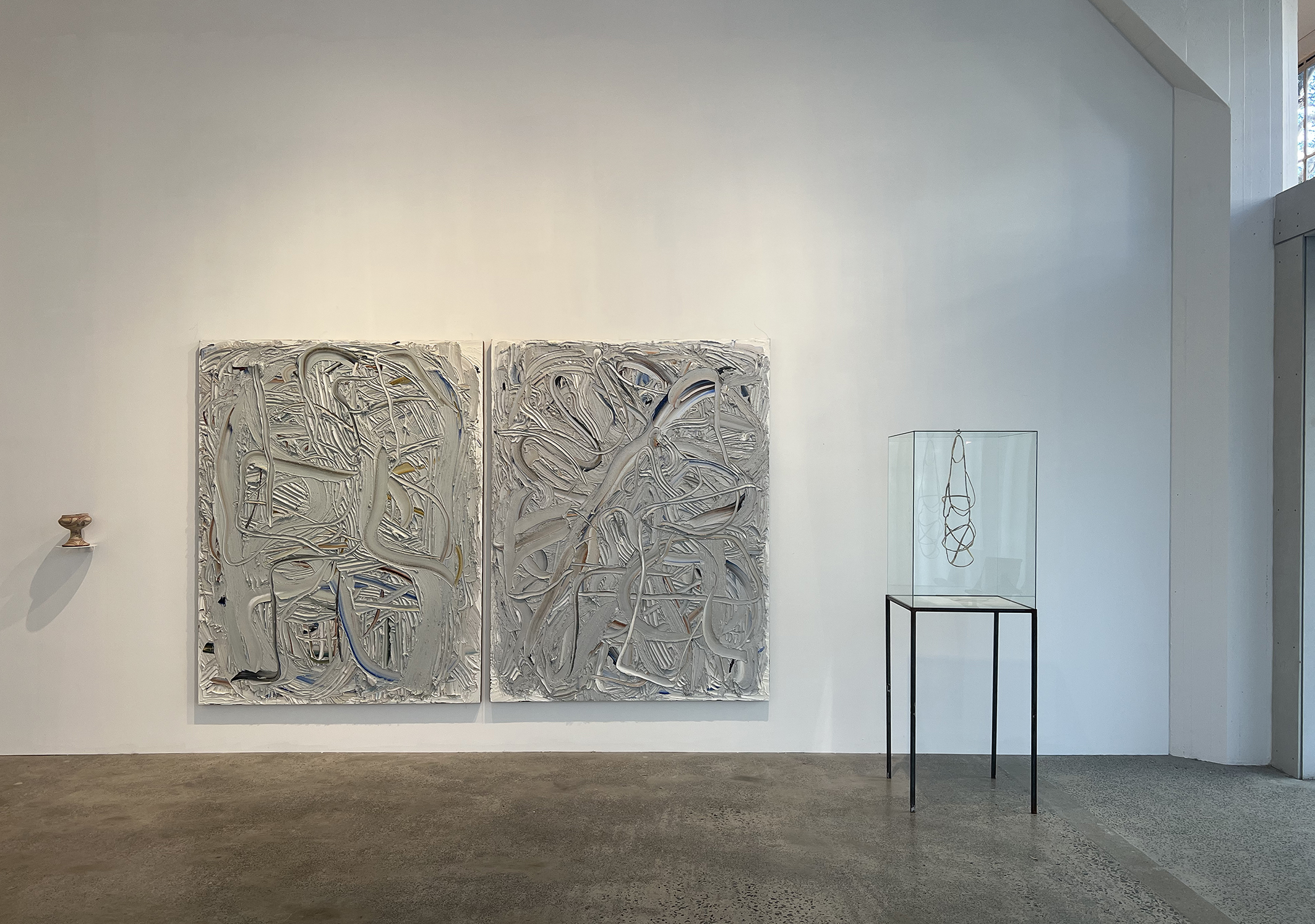
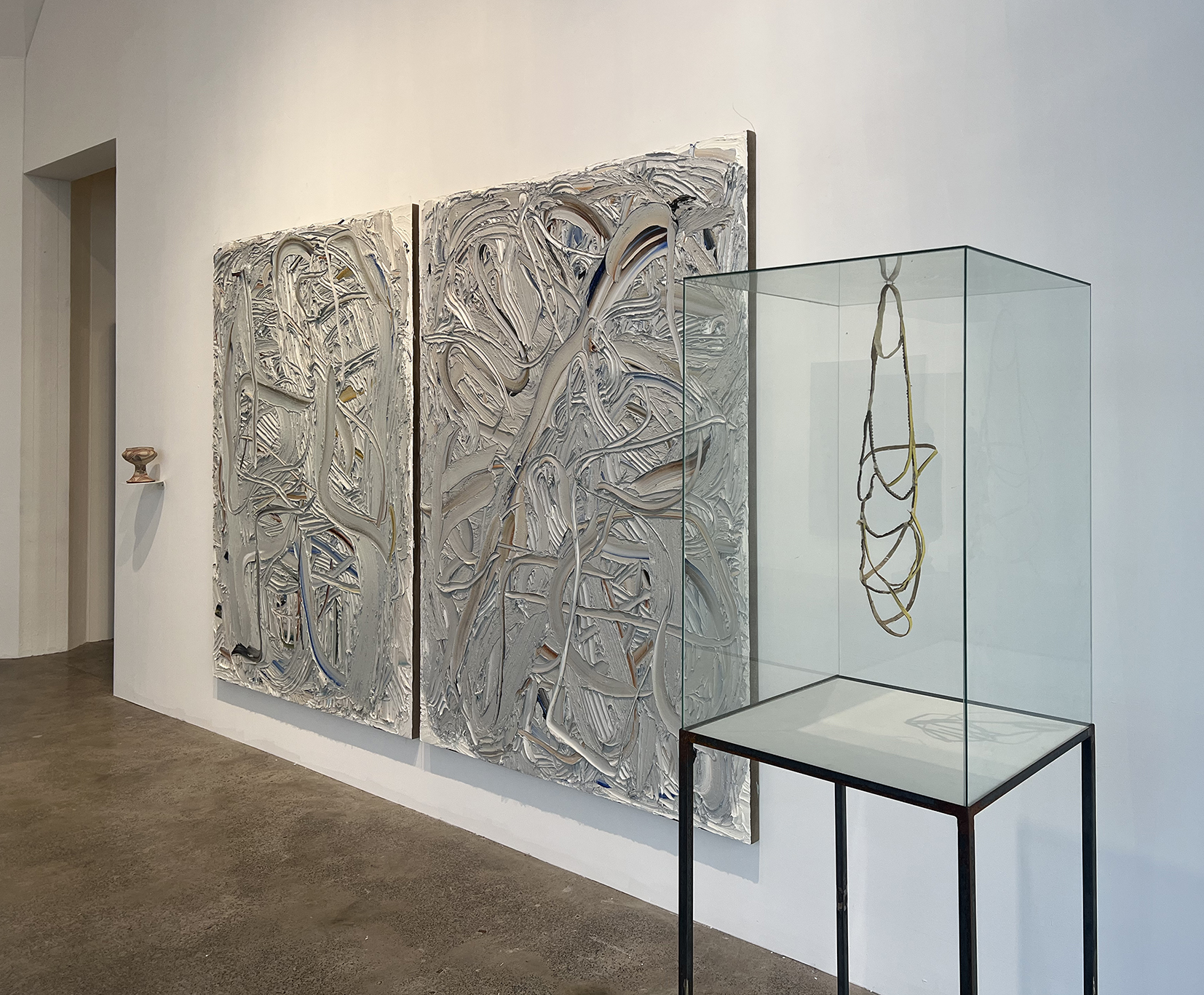
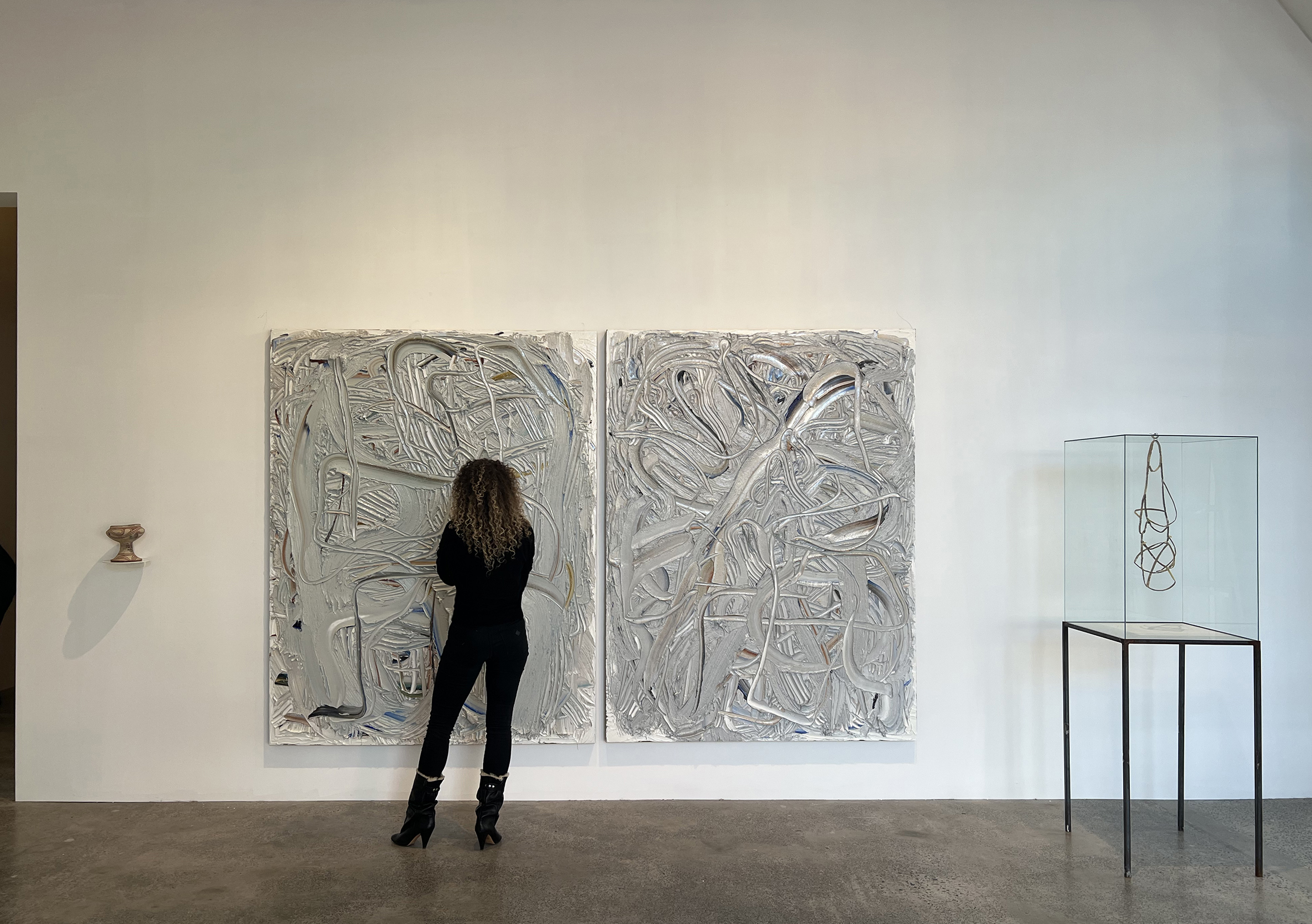
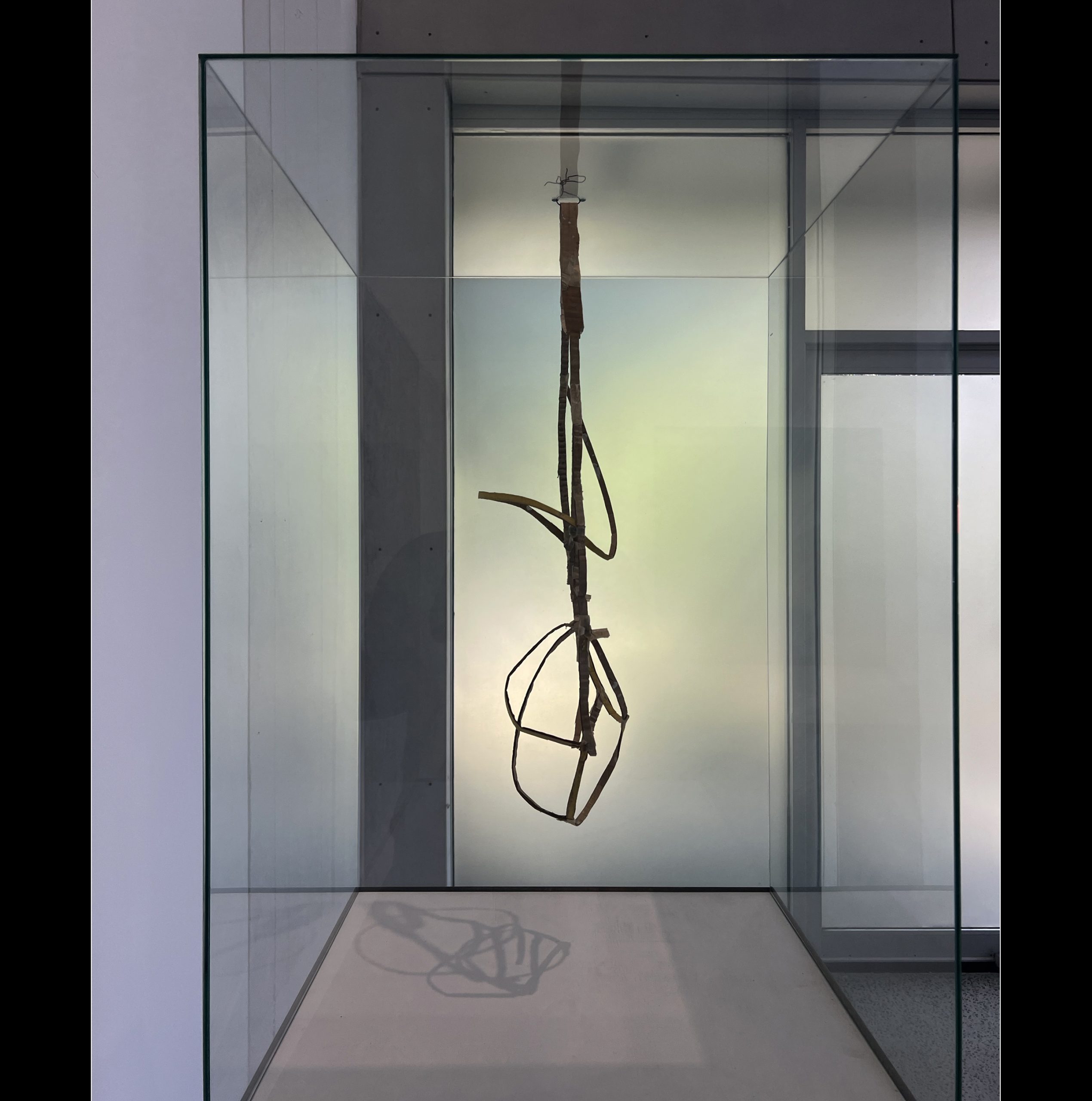
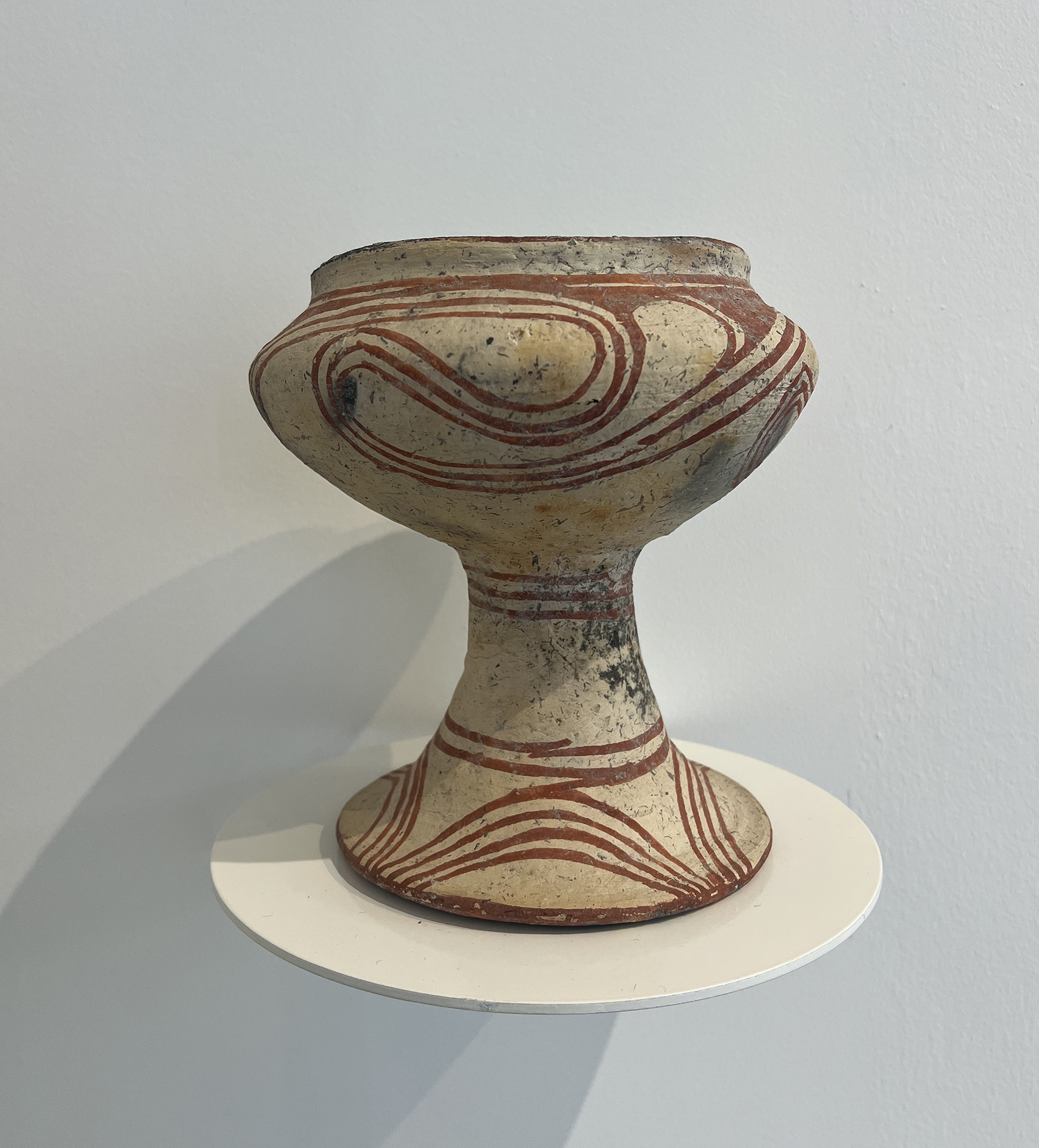
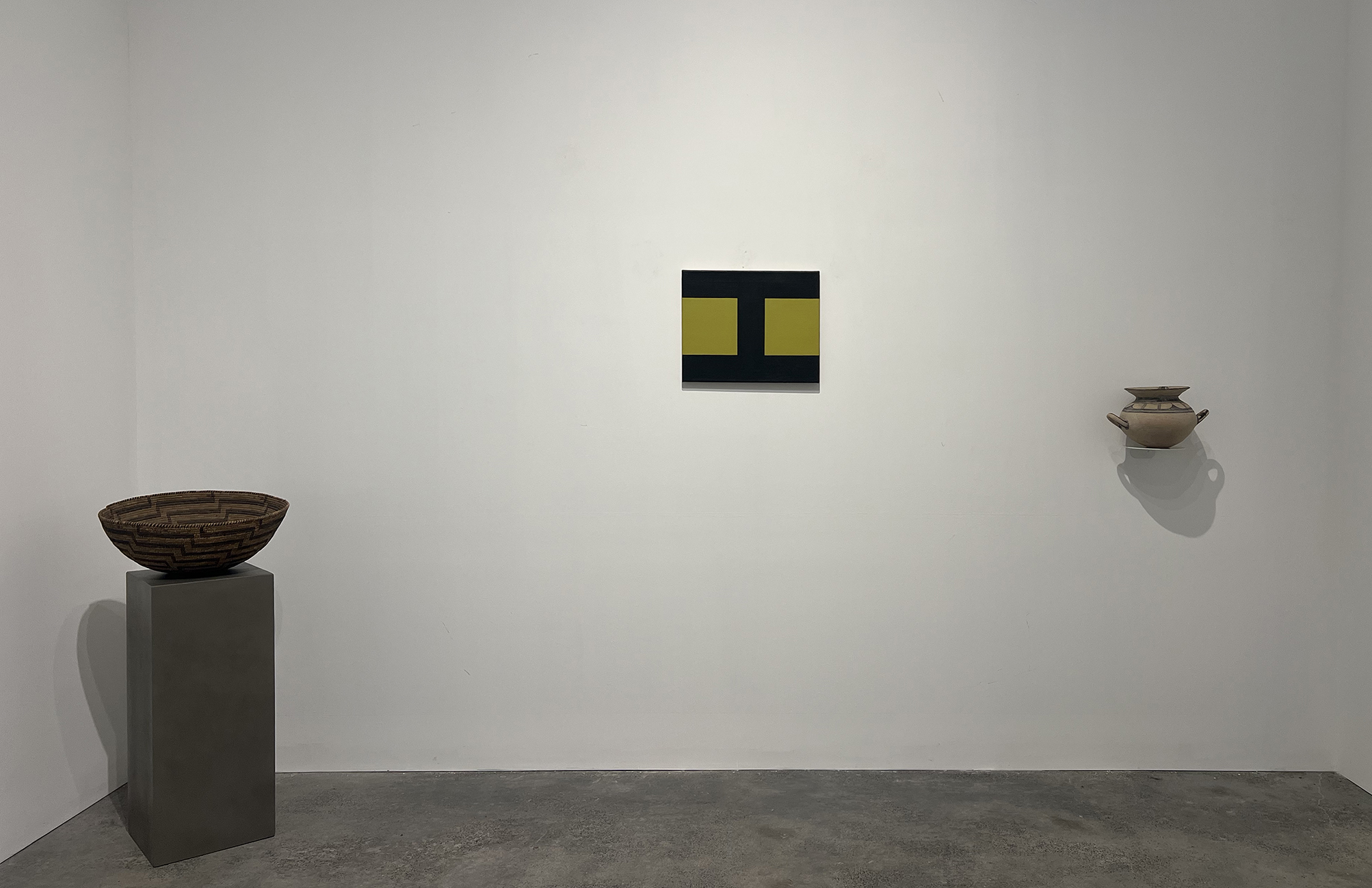
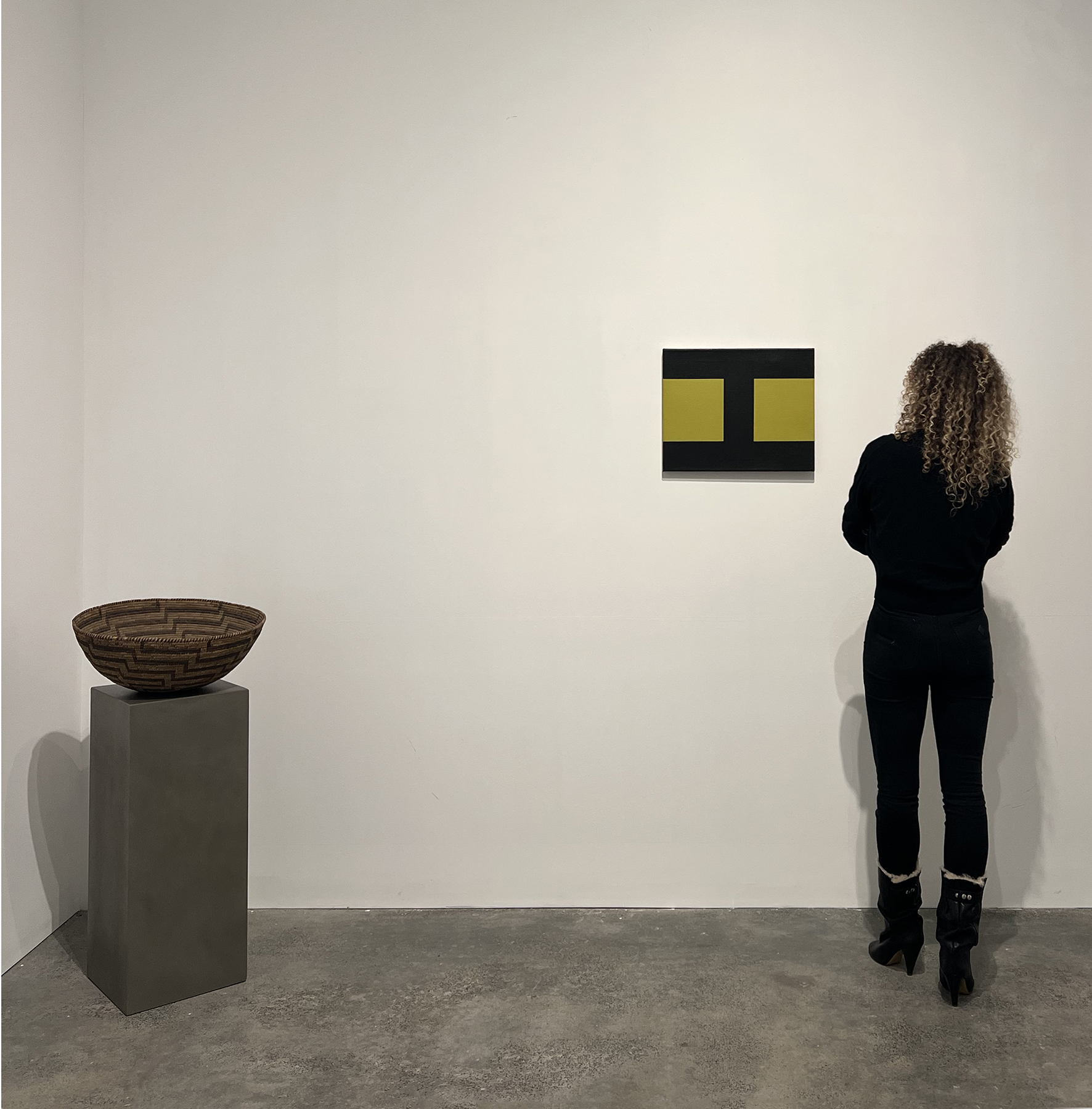
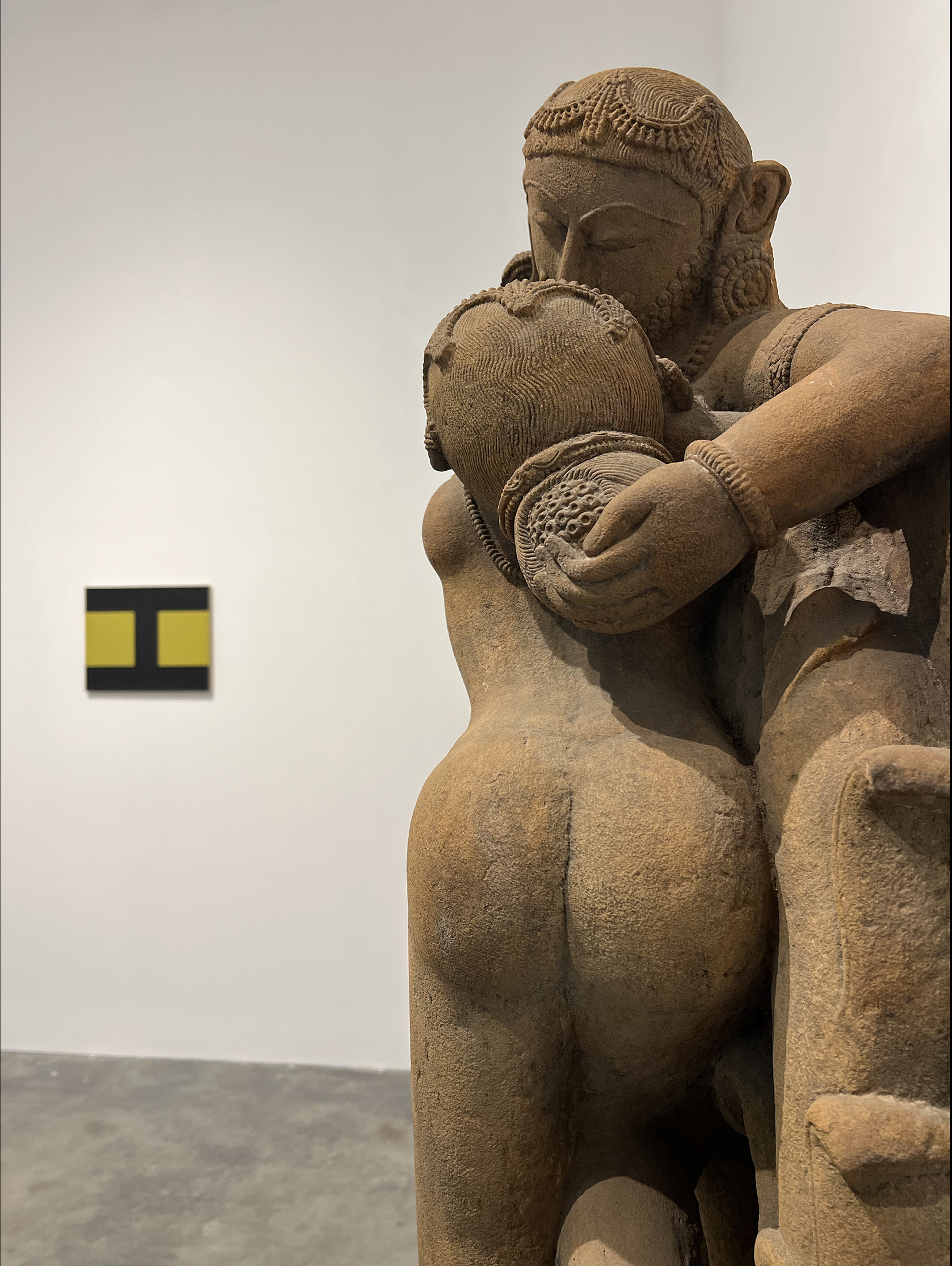
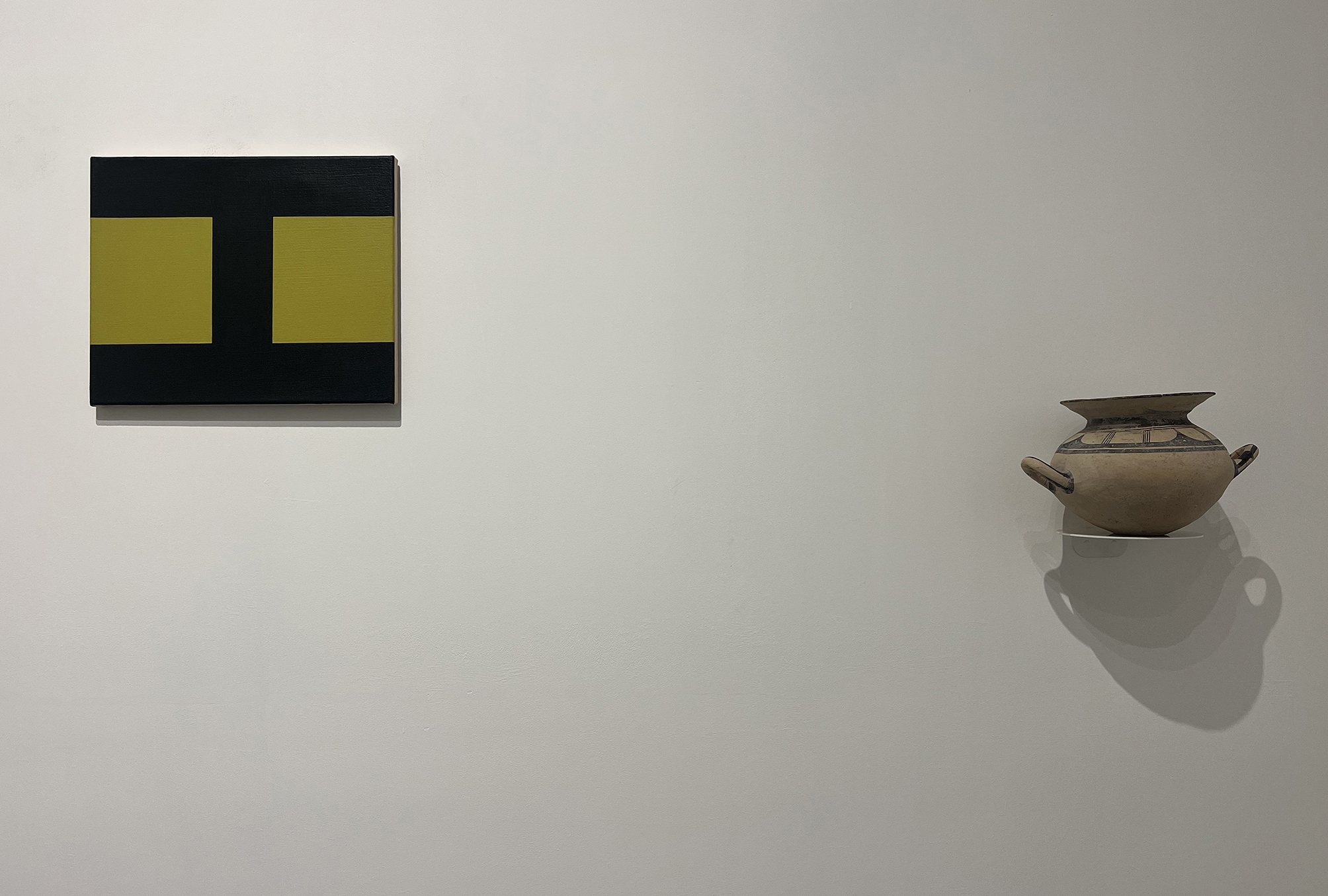
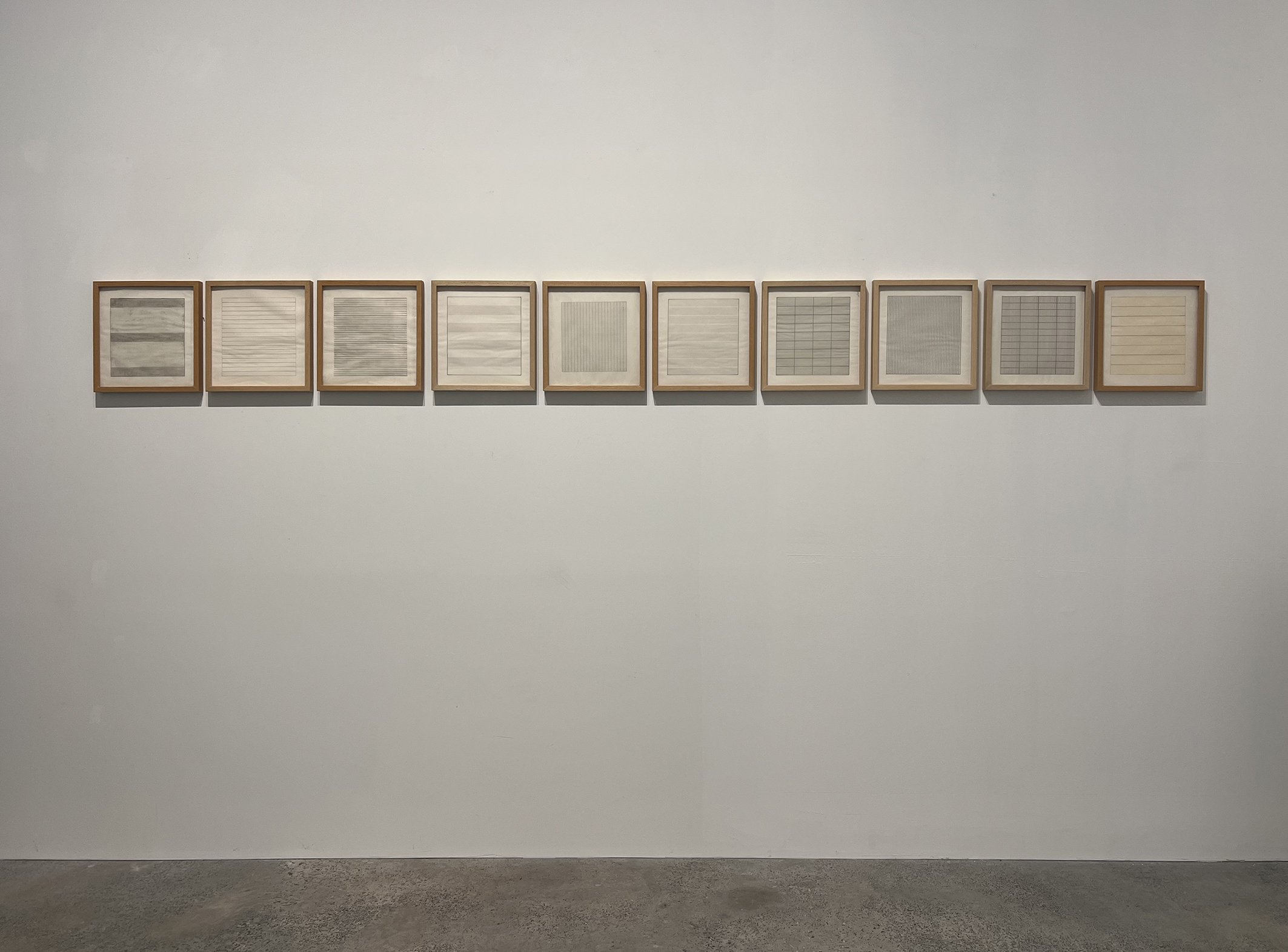
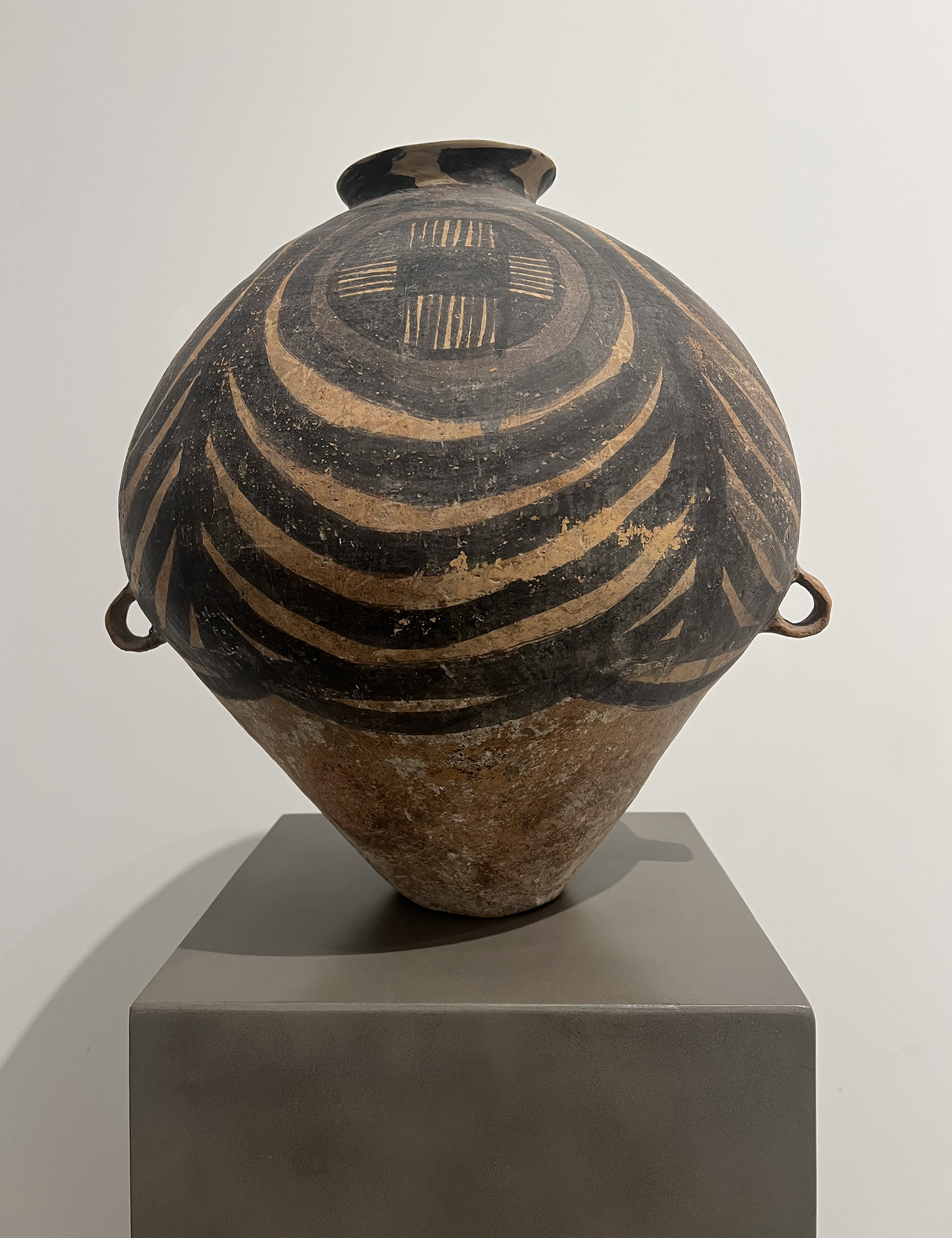
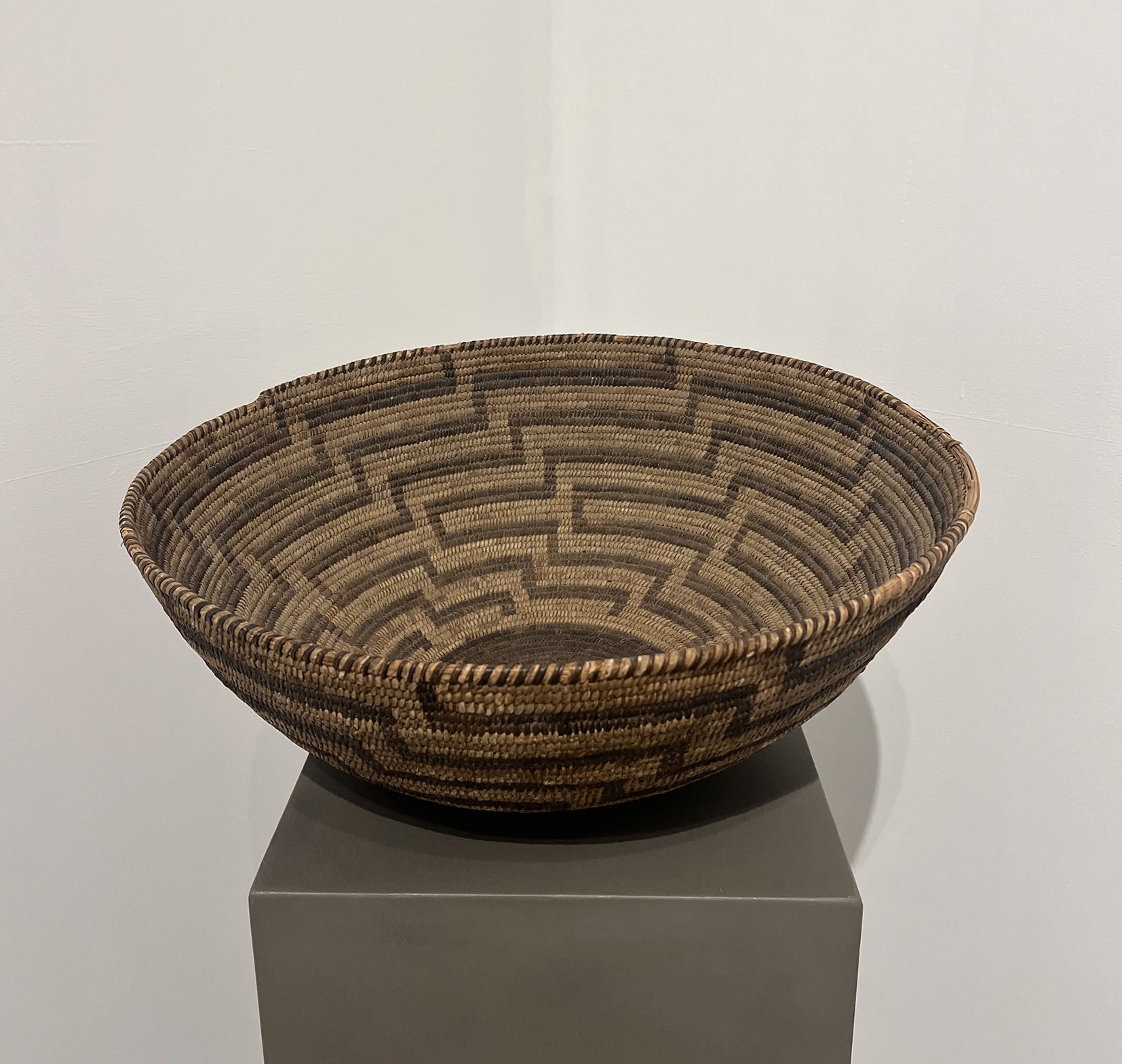
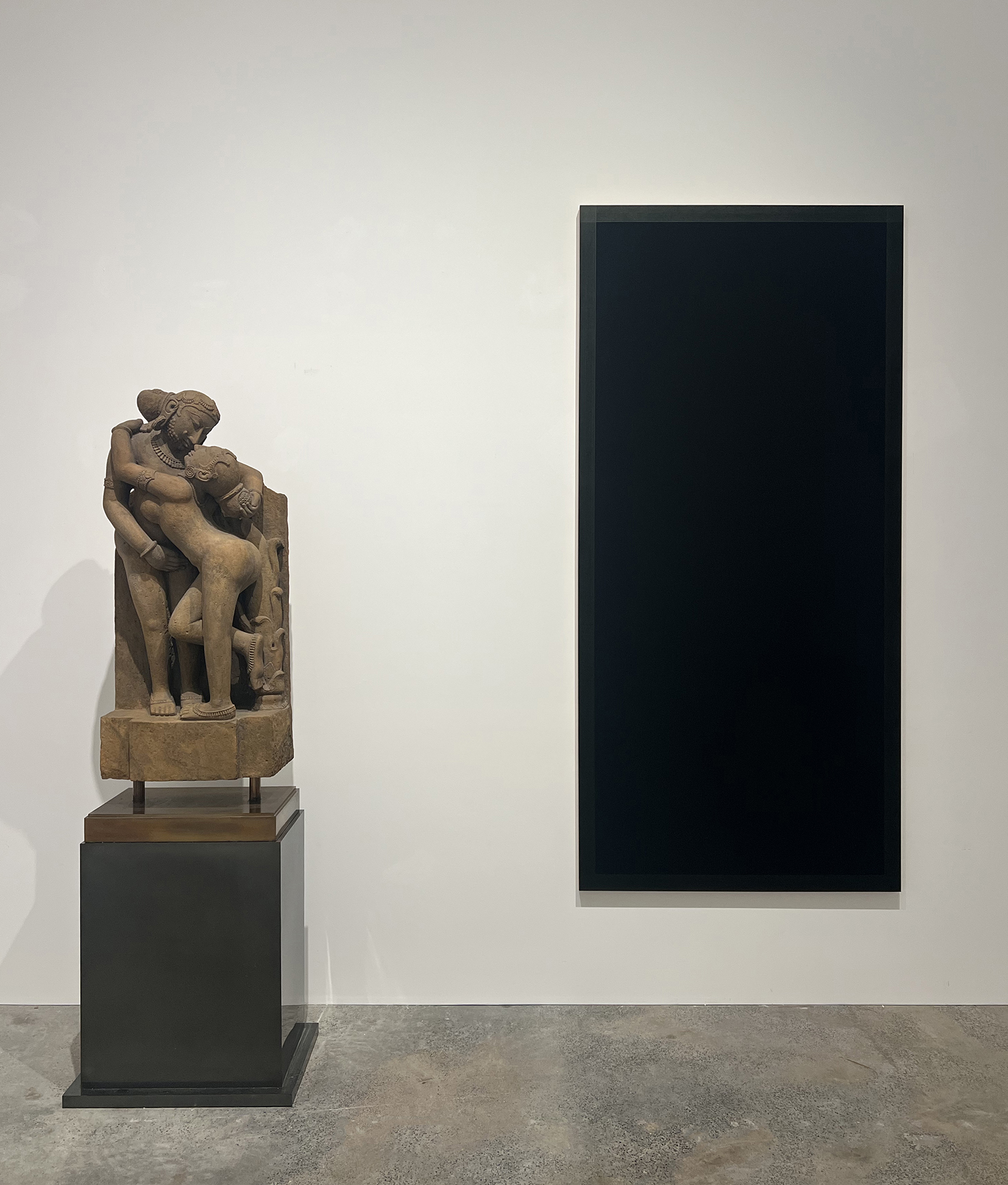
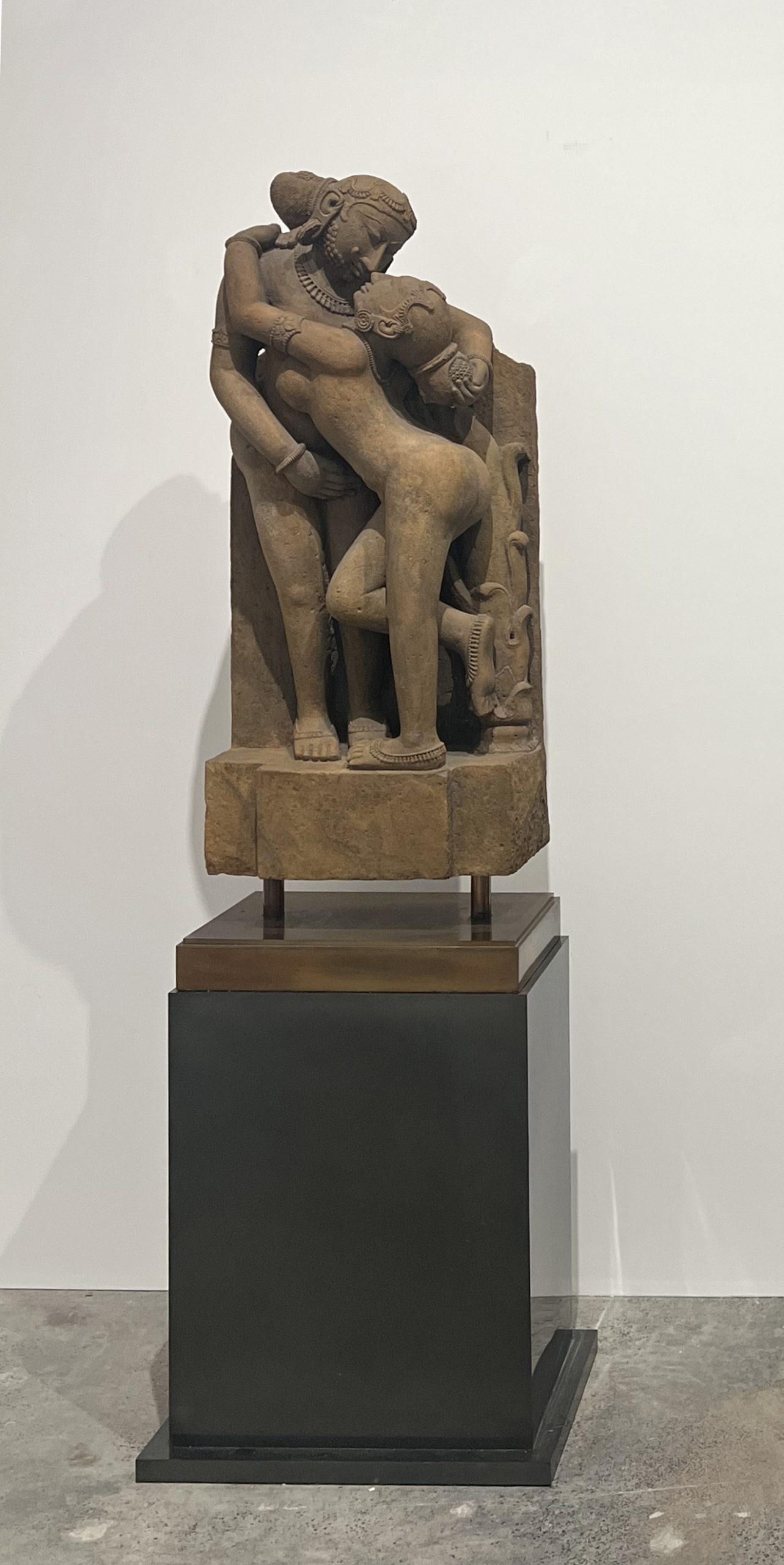
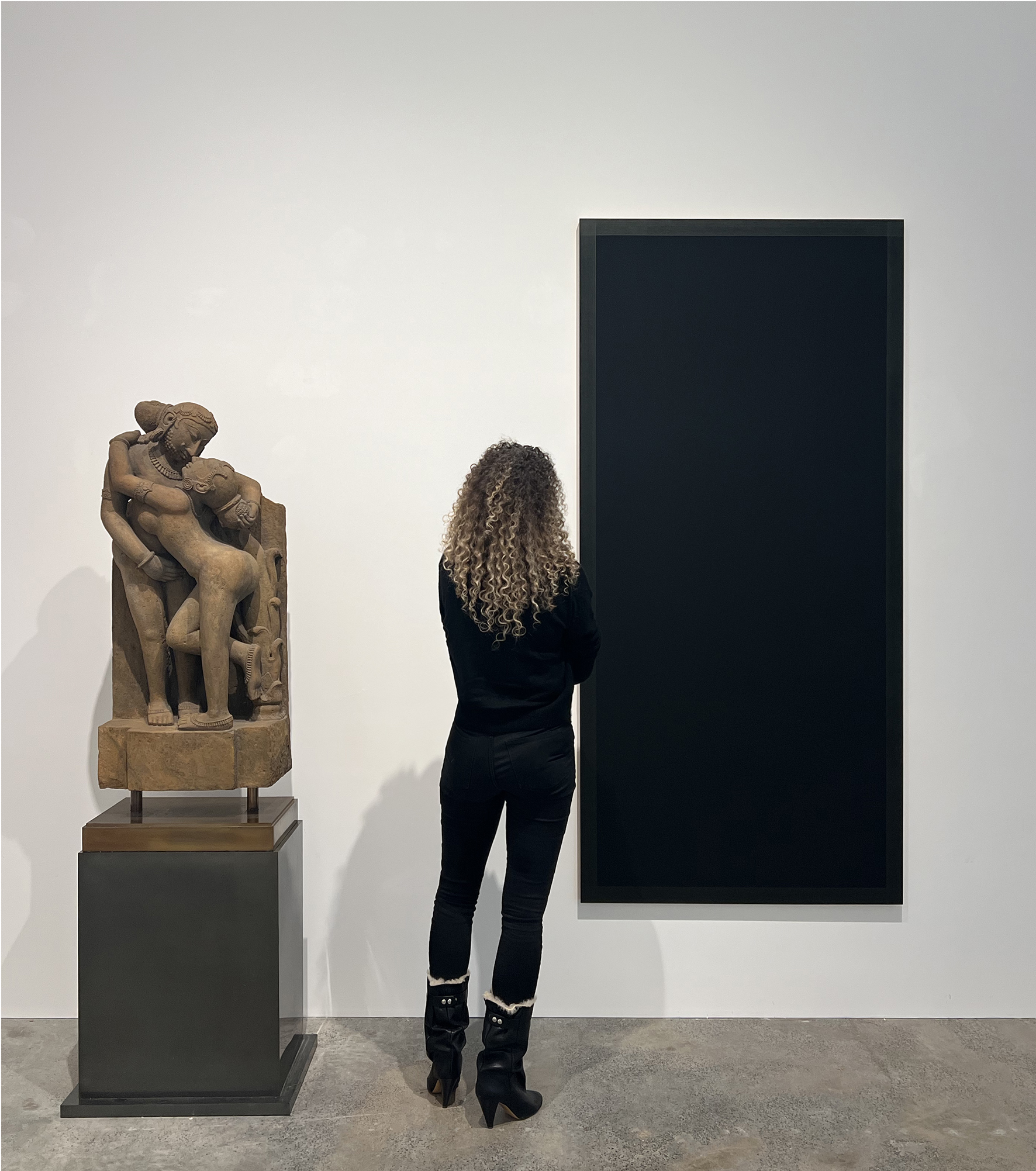
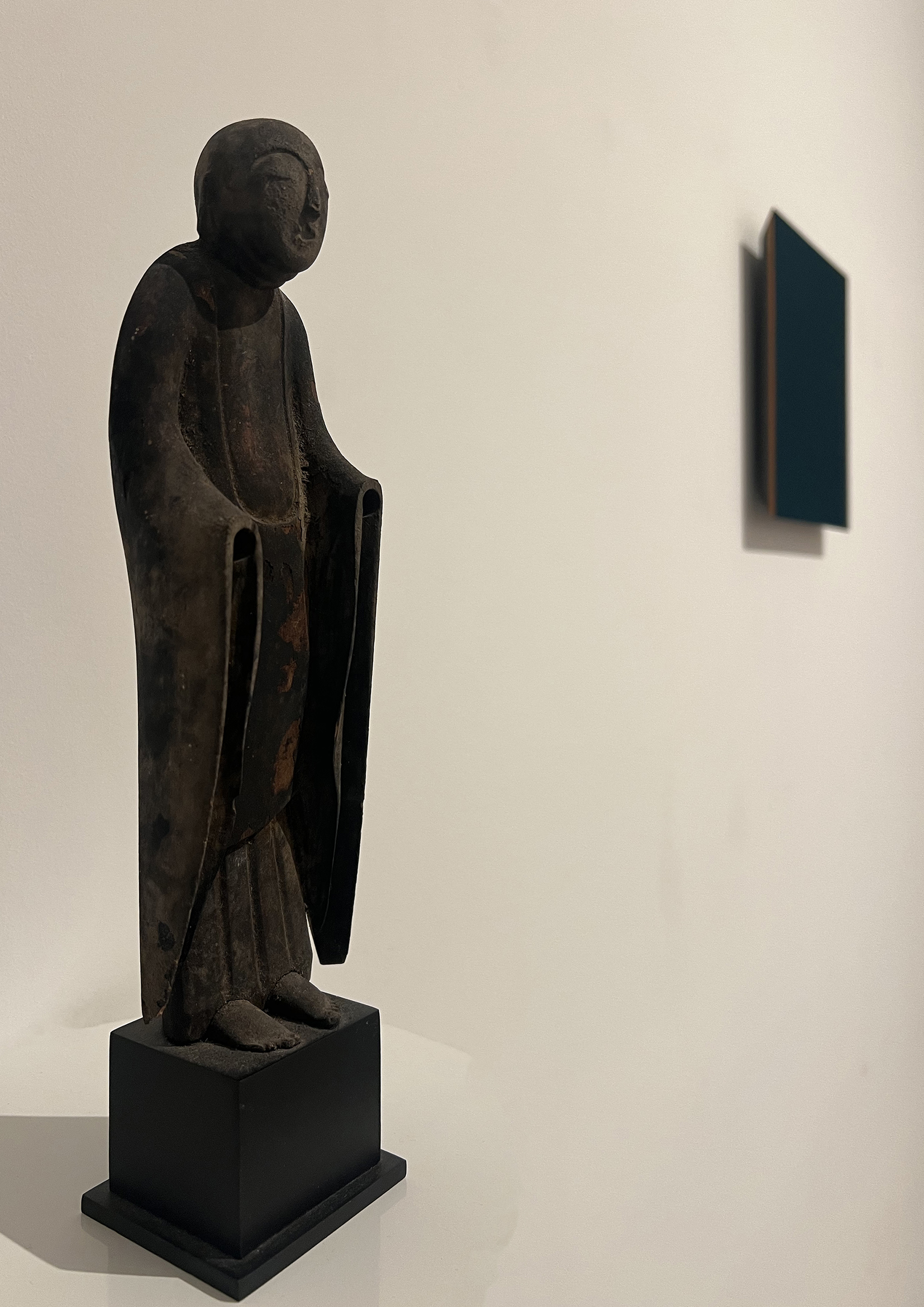
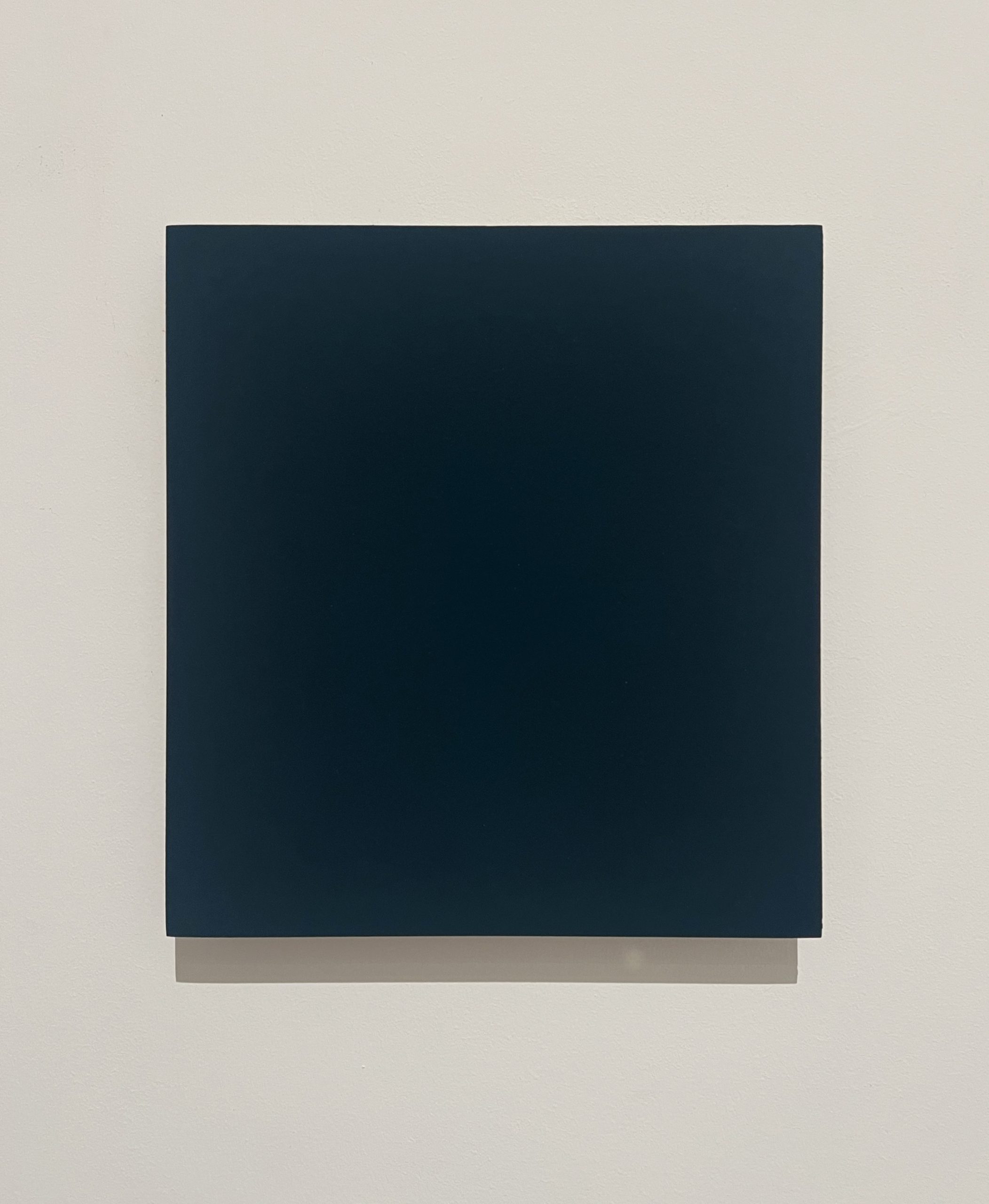
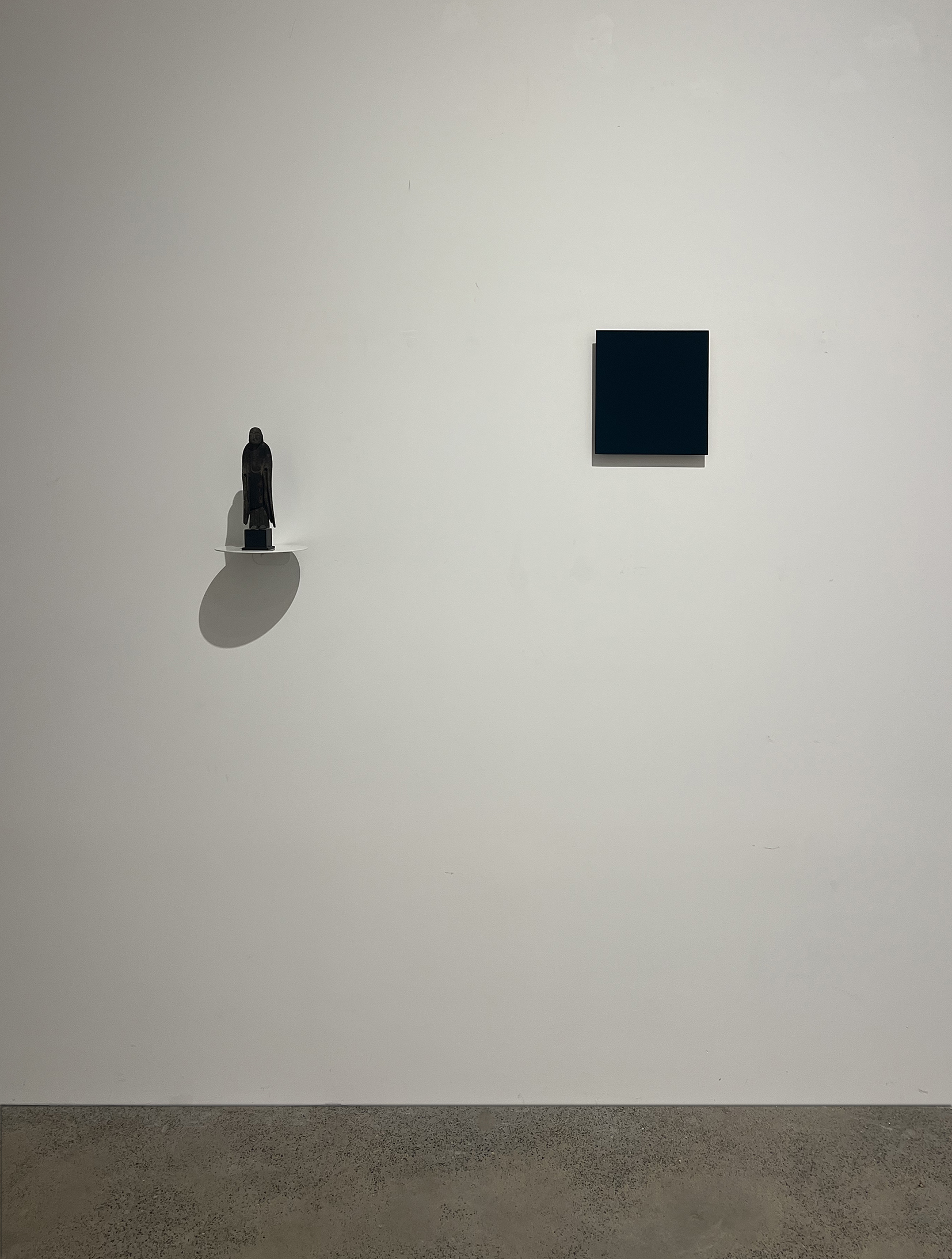
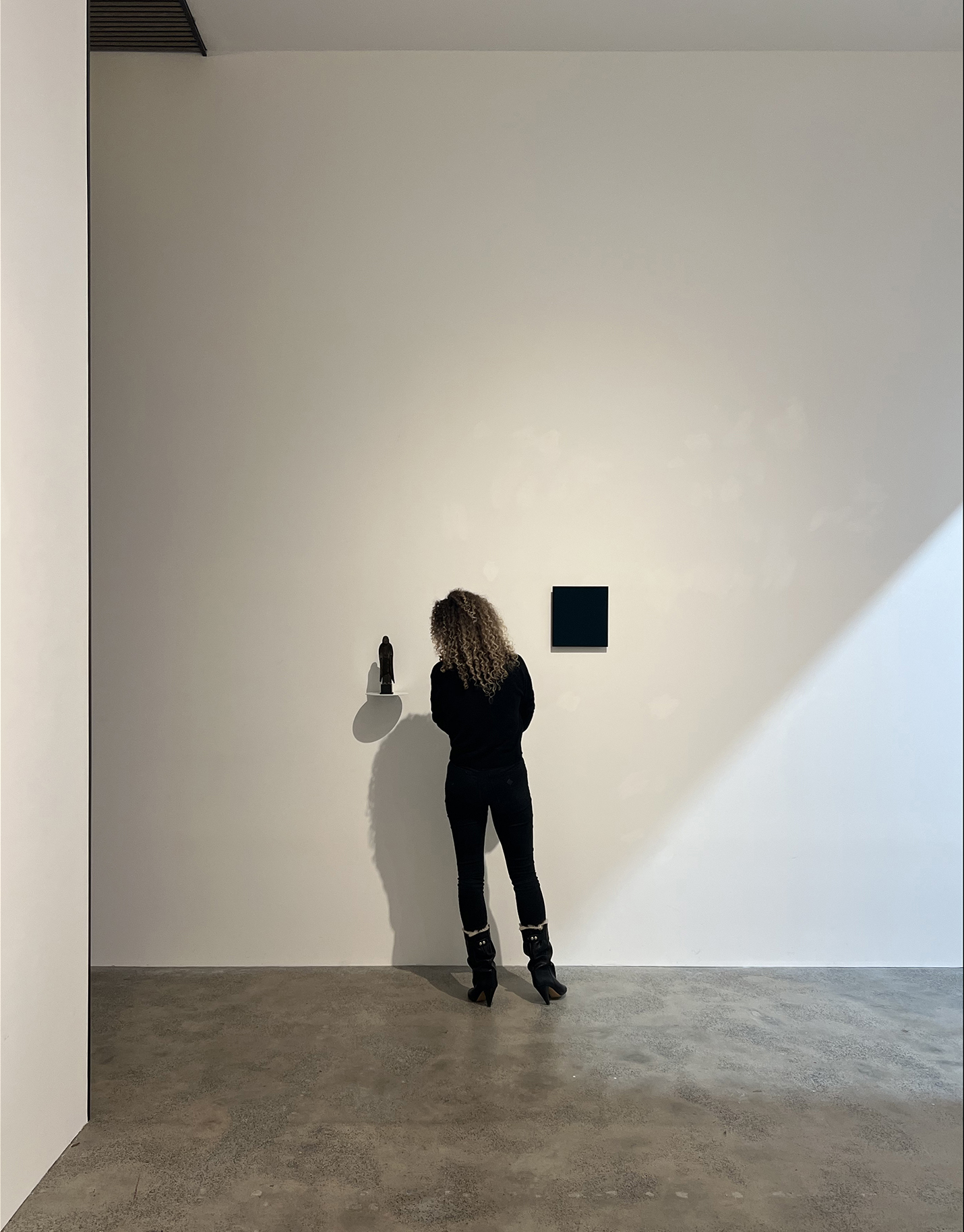
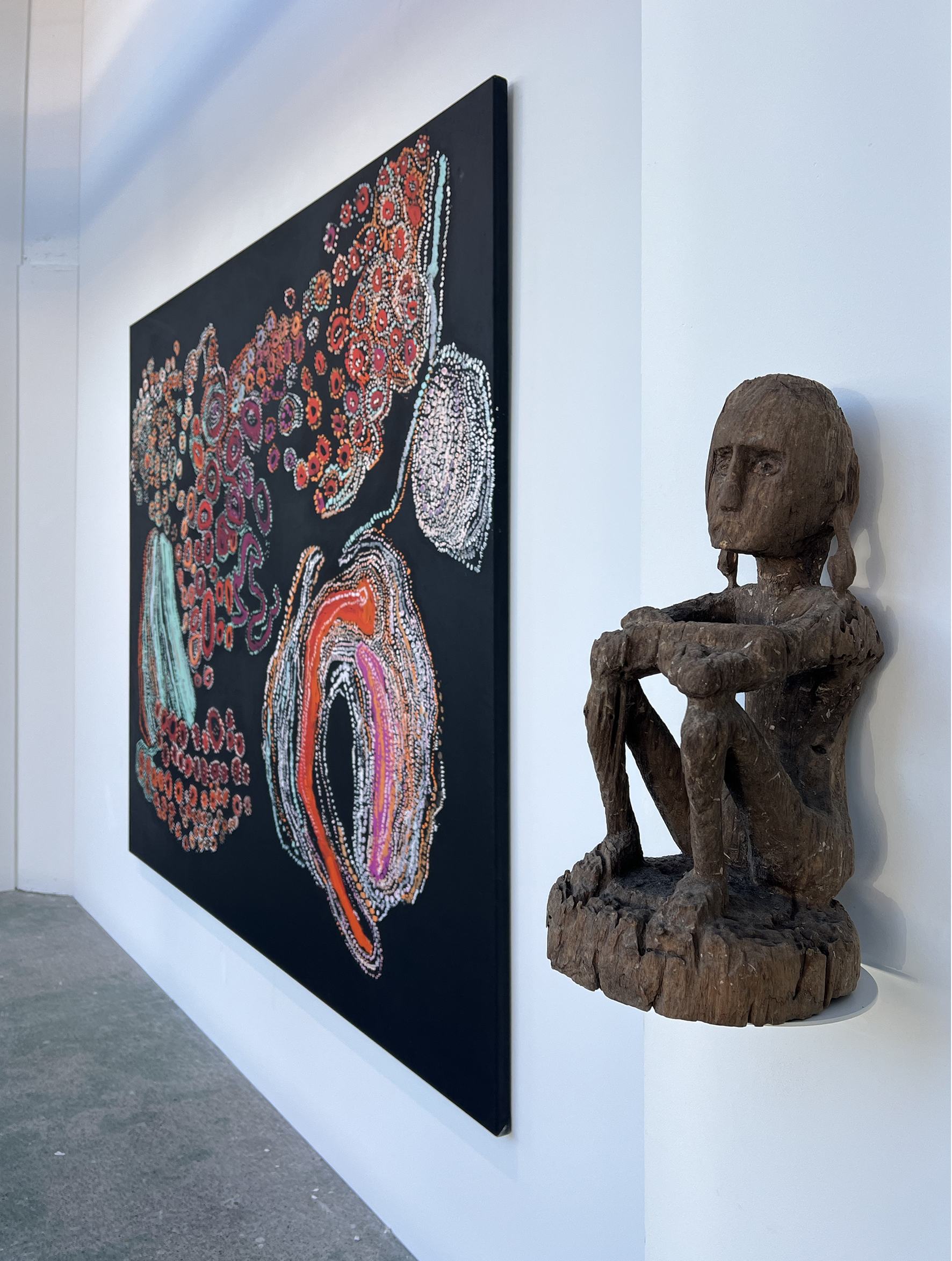
Points of Orientation seeks to re-engage the viewer with the notion that cultures have, for thousands of years, been making and re-making objects of both practical and metaphorical importance and that this repetition provides critical coordinates that cross spiritual, social and existential dimensions.
This is the third time that I have made Points of Orientation. Each time I have done so has probably coincided with my rising level of frustration with popular cultures obsession with newness… though were this true, it would likely be running perpetually. Newness as a criterion for garnering attention is frankly conceptually bankrupt, but that is what we are told people want. Of course, I don’t believe this any more than “painting is dead” or that if you’ve seen it online, you’ve seen it.
The artworks and the objects that comprise this iteration of Points of Orientation have come together over just a small portion of our lifetime and yet they span more than 6000 years. As I write this, it feels simultaneously incomprehensible and axiomatic. Though most all of us no longer actually make anything, for many of us our desire to apprehend our world through an analogue window remains persistent and strong. This reliance on facility, whether it is driven by pragmatism or something more rarified, or indeed a conflation of both aspirations, lies at the heart of Points of Orientation.
Though sandwiched as often I am between physical clumsiness and intellectual laziness, I have at least recognized that I need to be witness to this regime of making and to take vicarious pleasure of learning by proximity.
Over many years now I have been fortunate to have had conversations with Helmut Federle. They are attenuated by distance and time but seem to pick up seamlessly where they left off. There are shared concerns about the art world, certainly scepticism for art to shoulder the kinds of conceptual and moral obligation that it has been capable of. His lament for the dignity that was due to it, is real.
So, Points of Orientation exists as both a celebration and a lament. At the very least it is reminder to me that the long arc of time may indeed bend towards hope and justice, but also that if we no longer make, our capacity to materialise meaning will evaporate and so too our ability to affect change.