RIPE – GIDEON RUBIN, TODD HUNTER, NIYAZ NAJAFOV, ROBERT MALHERBE
Ripe brings together the work of four Genre paintings – Gideon Rubin, Todd Hunter, Robert Malherbe and Niyaz Najafov.
Each of these painters share in the knowledge that observation is the foundation of perception. Their common enthusiasm for the figure, the landscape and the still life is in some small part driven by what is at hand, but each painter invest these humble subjects with an emotional and psychological layering that elevates them. Crucially, it enables the paintings conceptually, making it clear that painting is a conceptual act in and of itself.
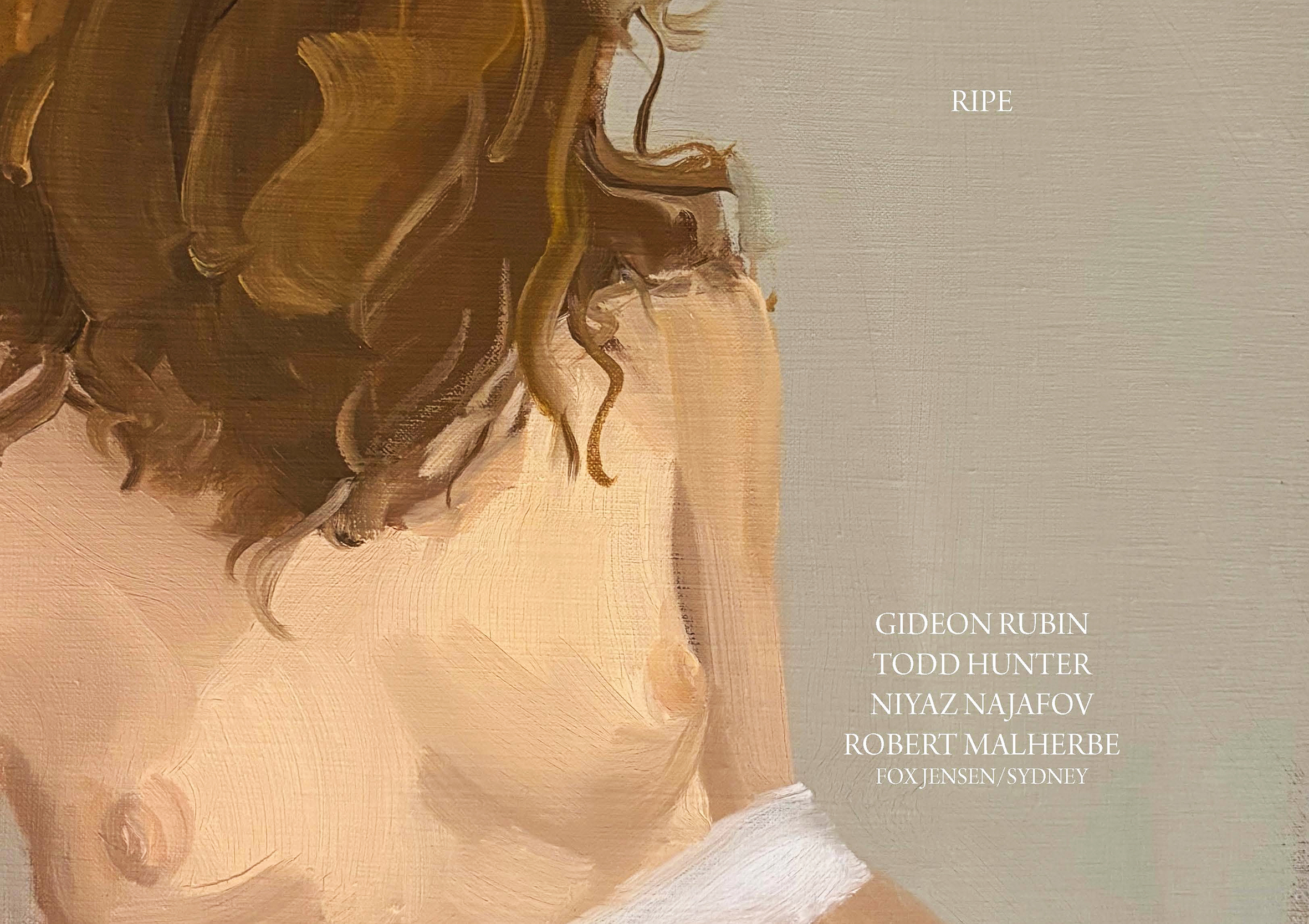
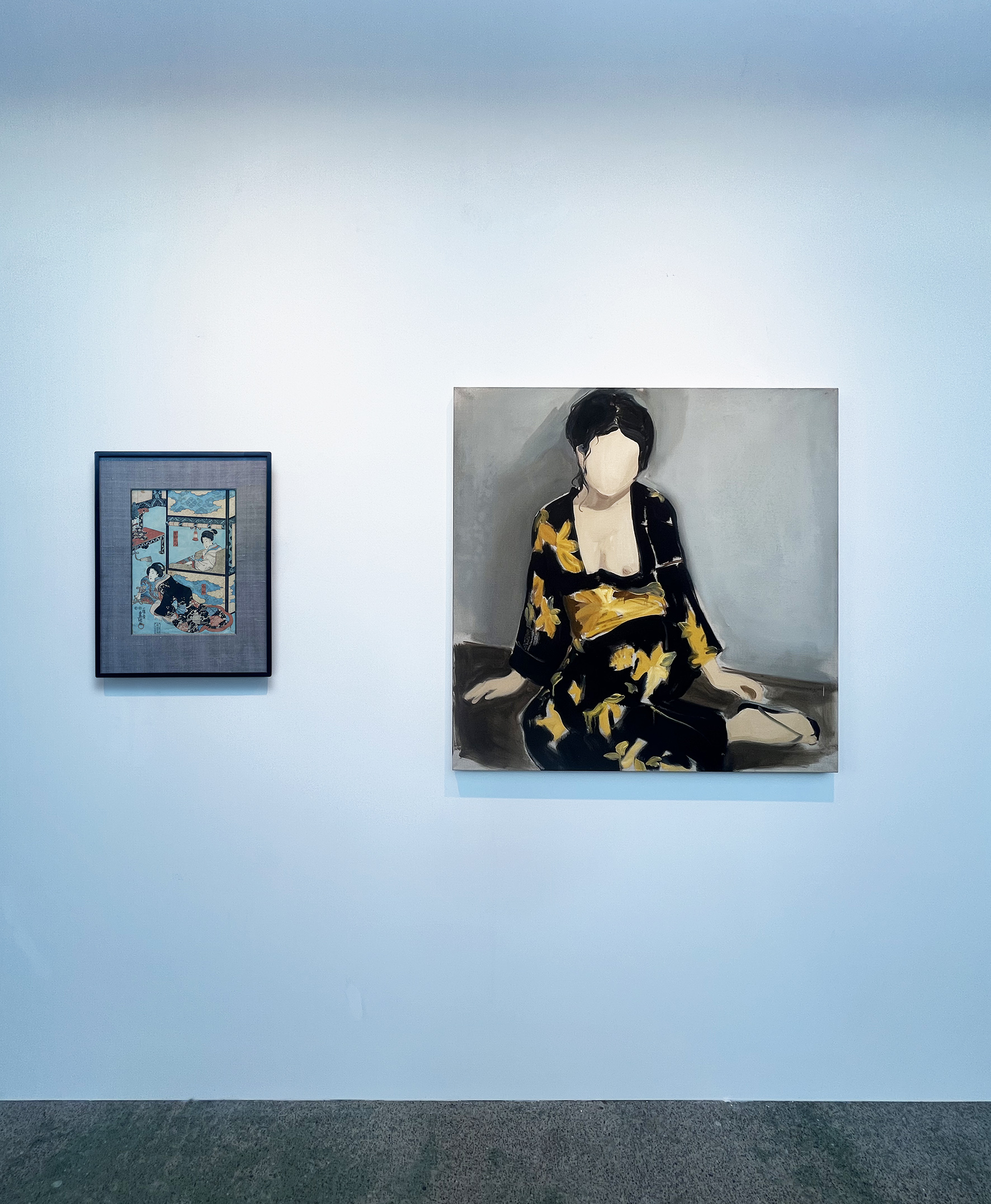
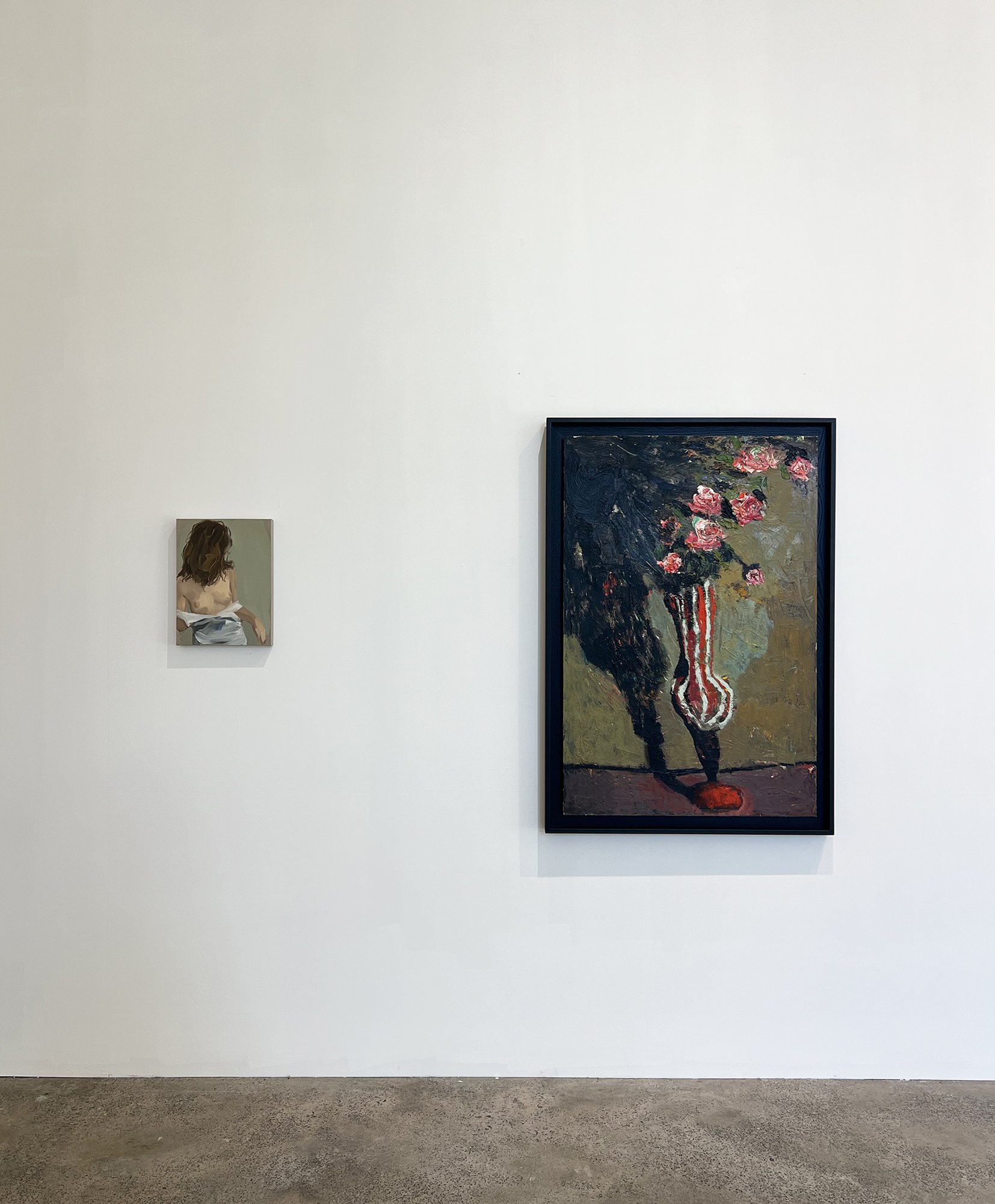
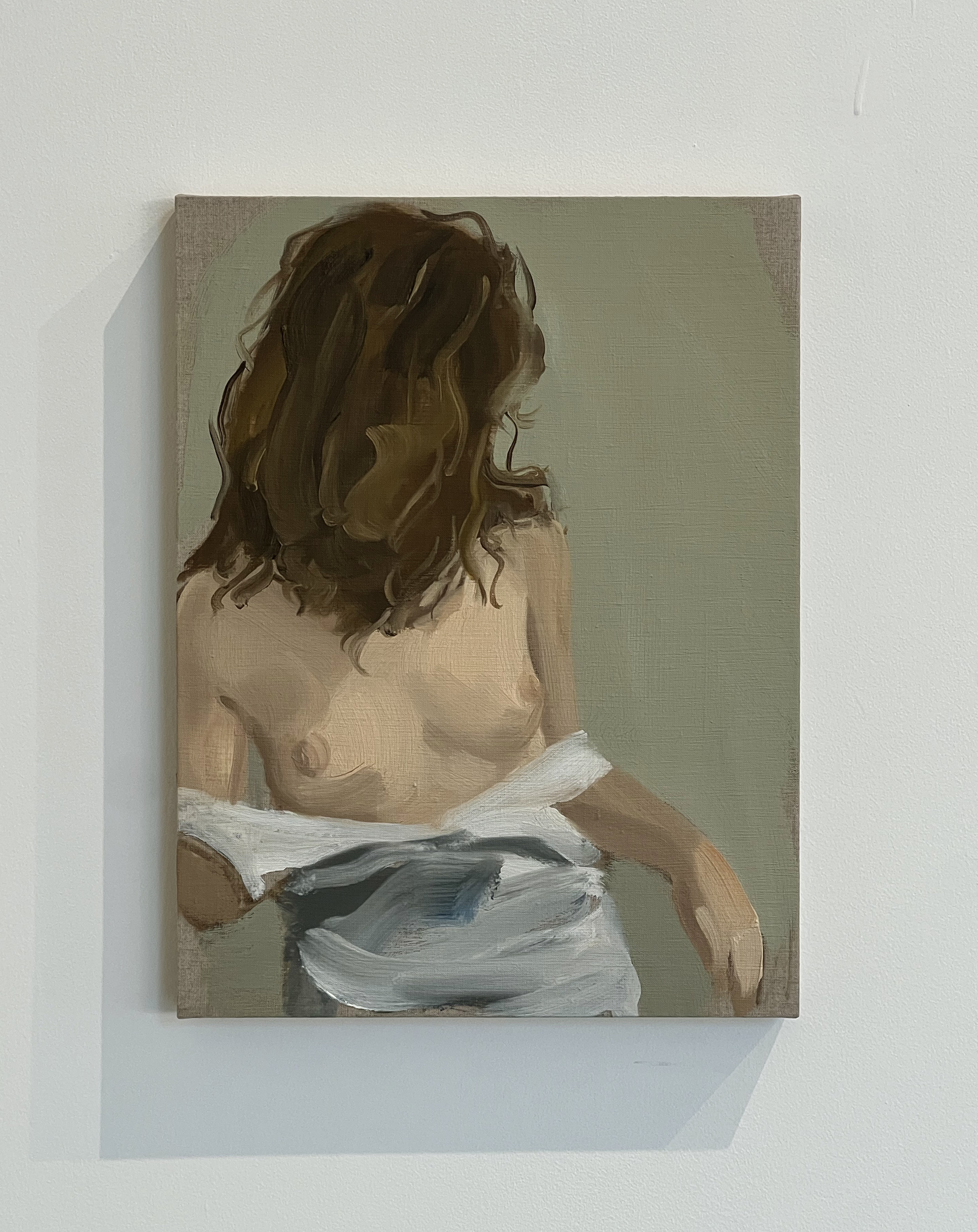
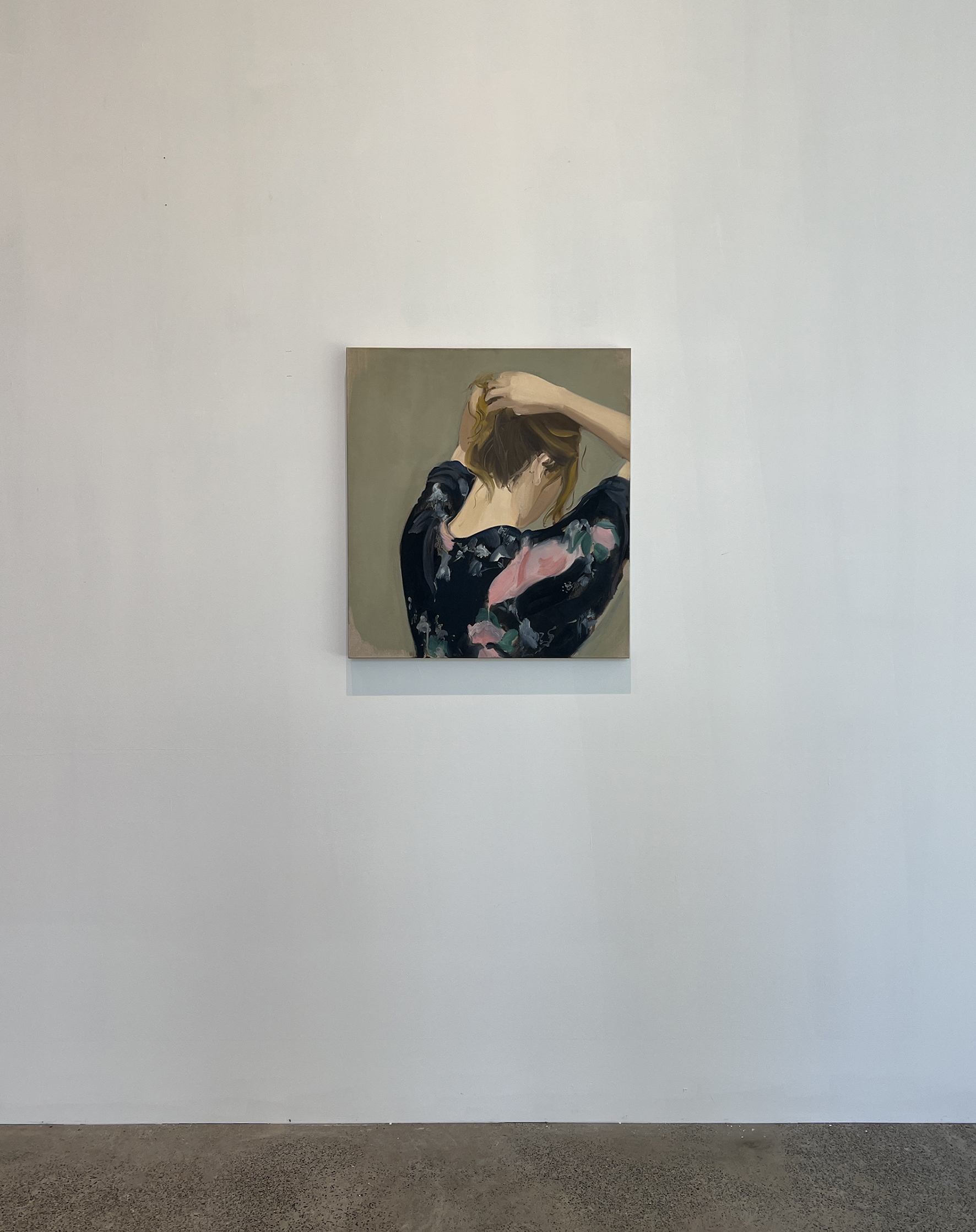
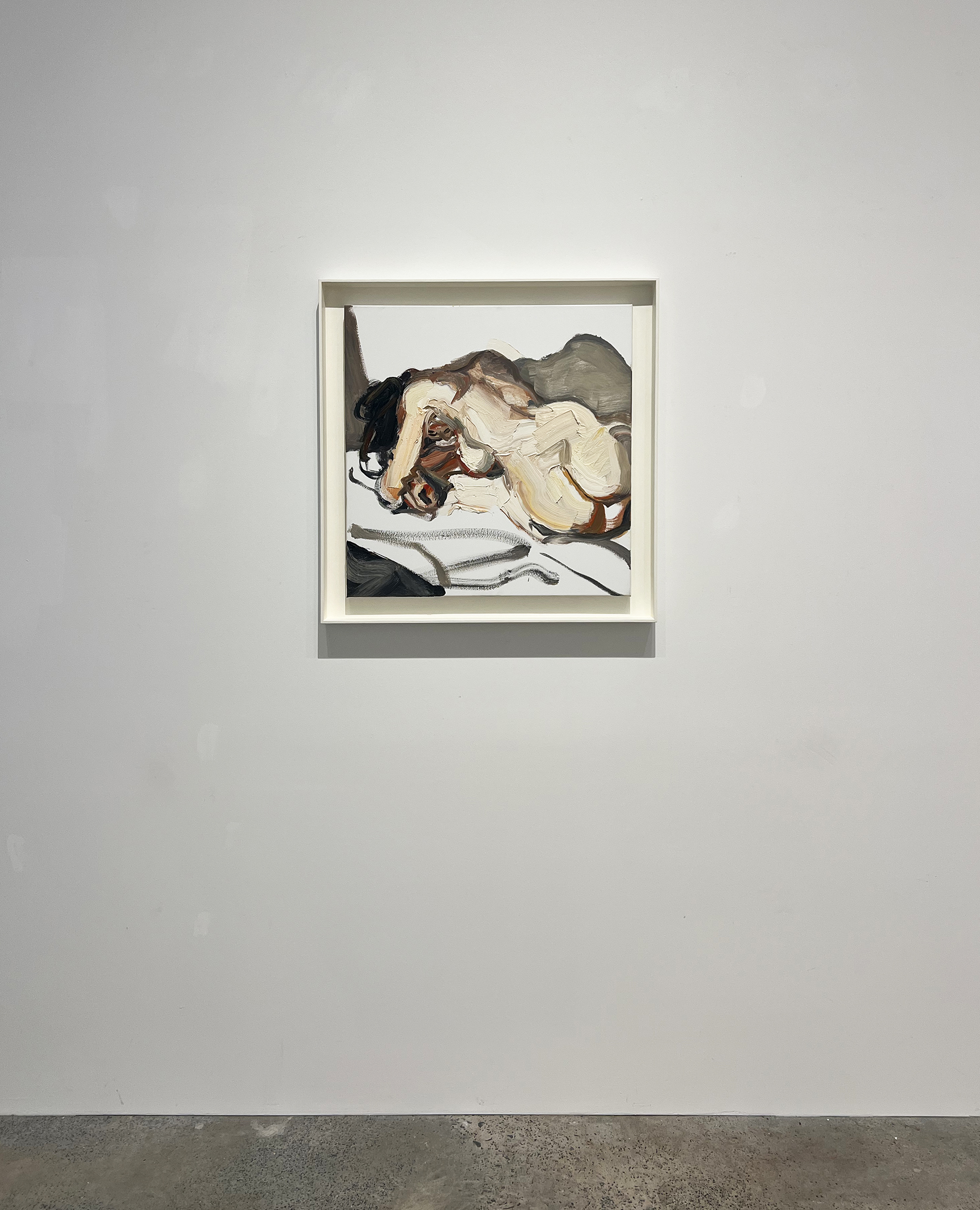
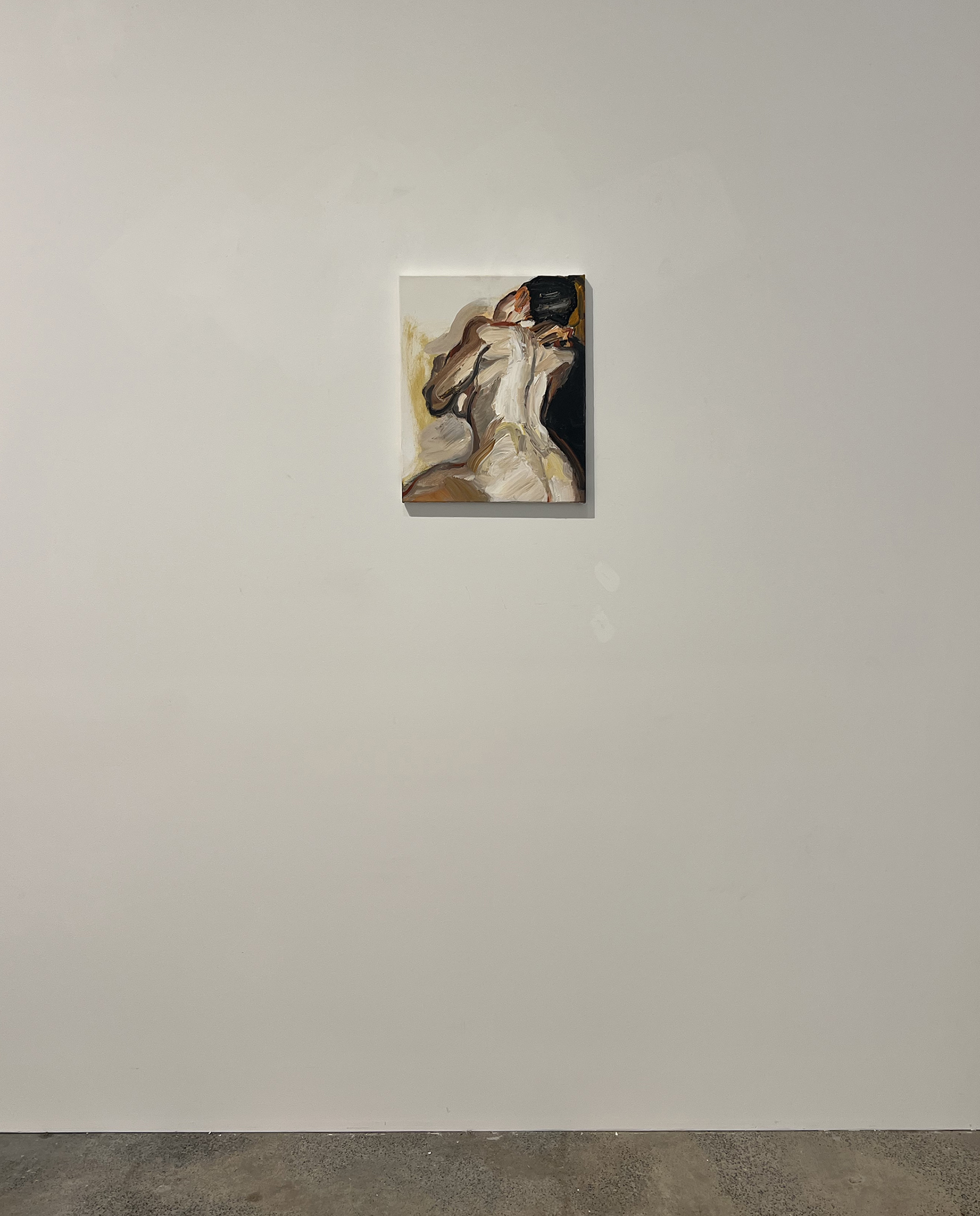
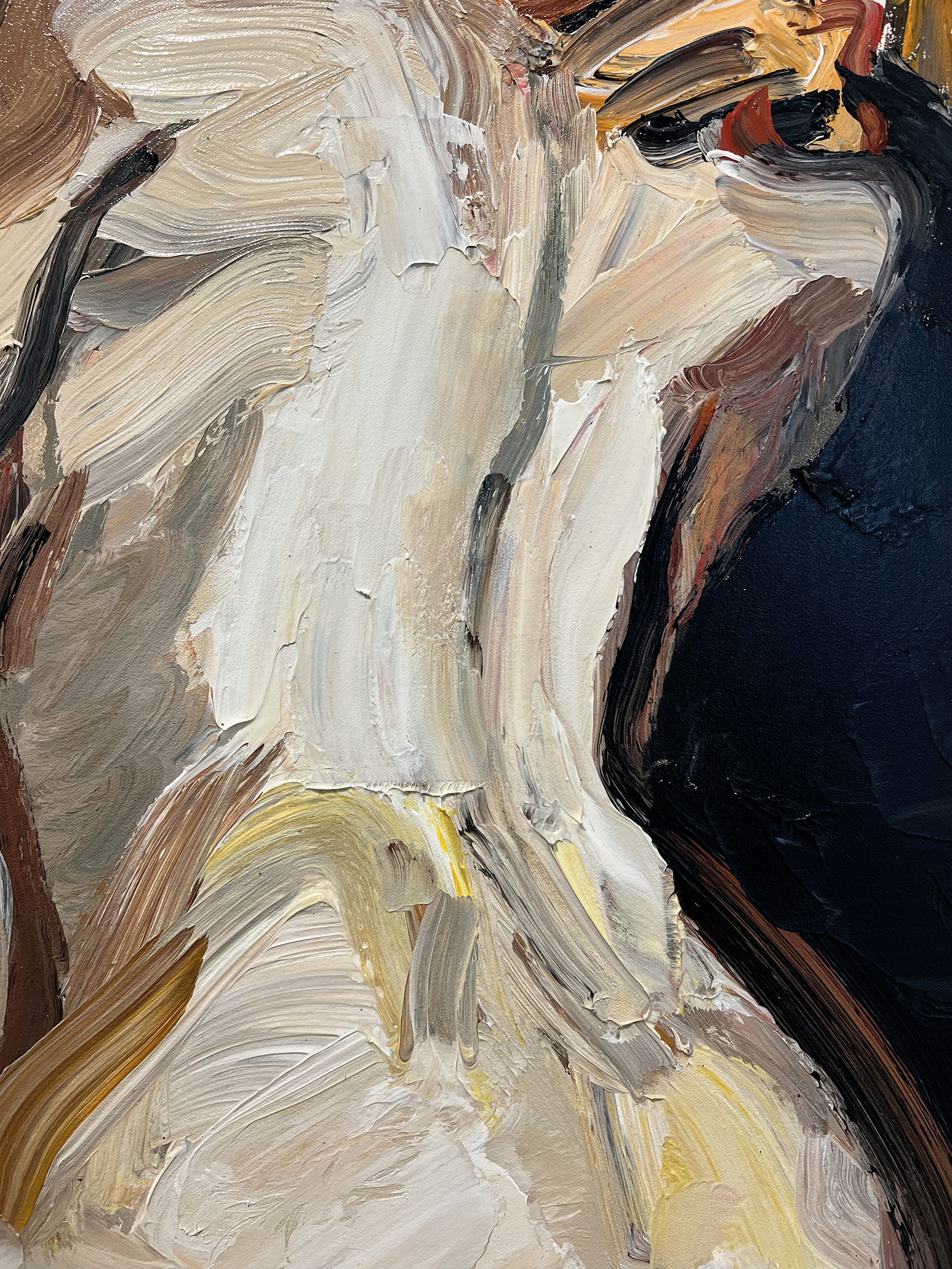
Gideon Rubin paints with an understatement and material economy that appears initially to be something of a foil to the paintings each of which are filled with humanity and emotional range.
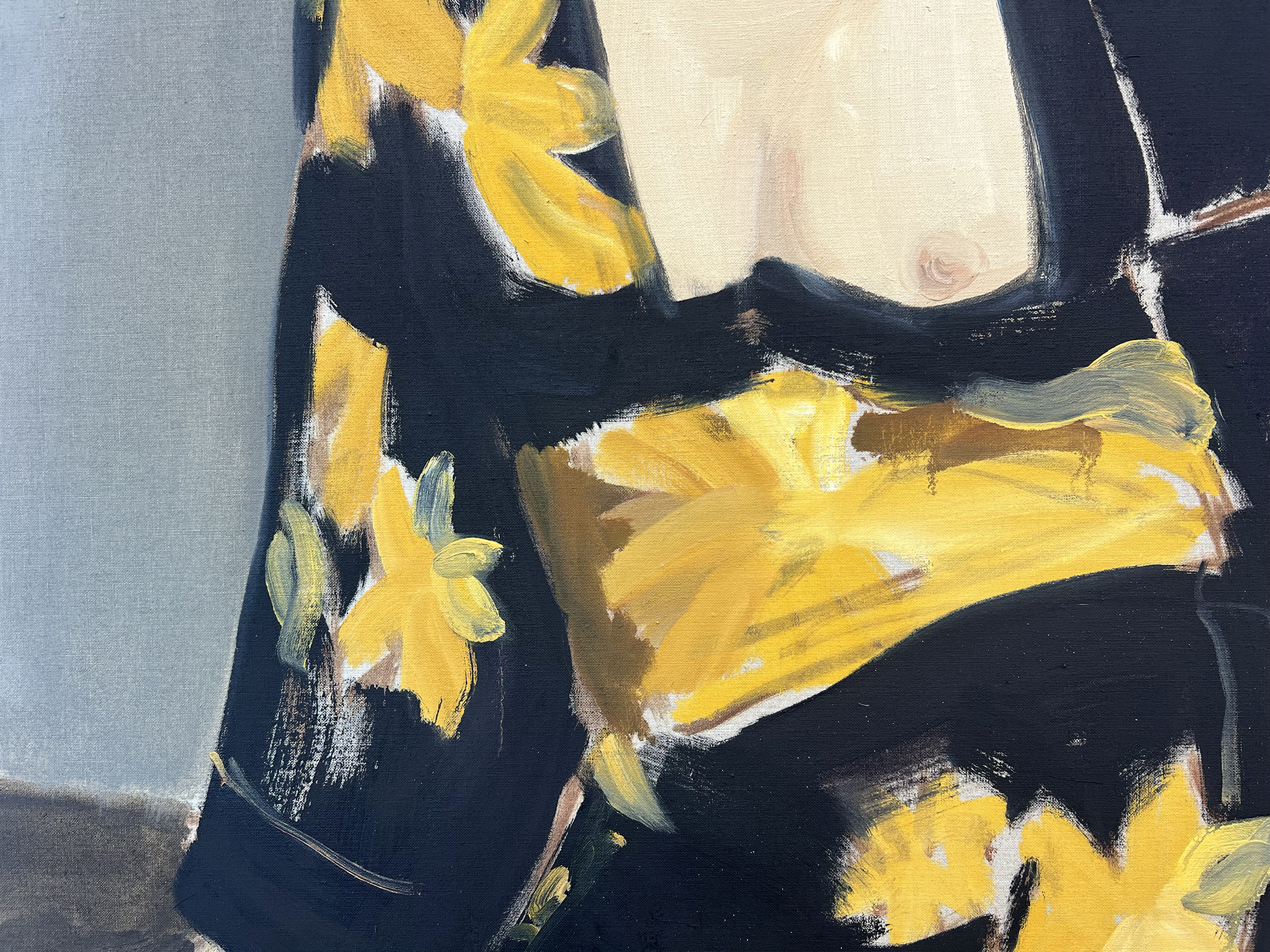
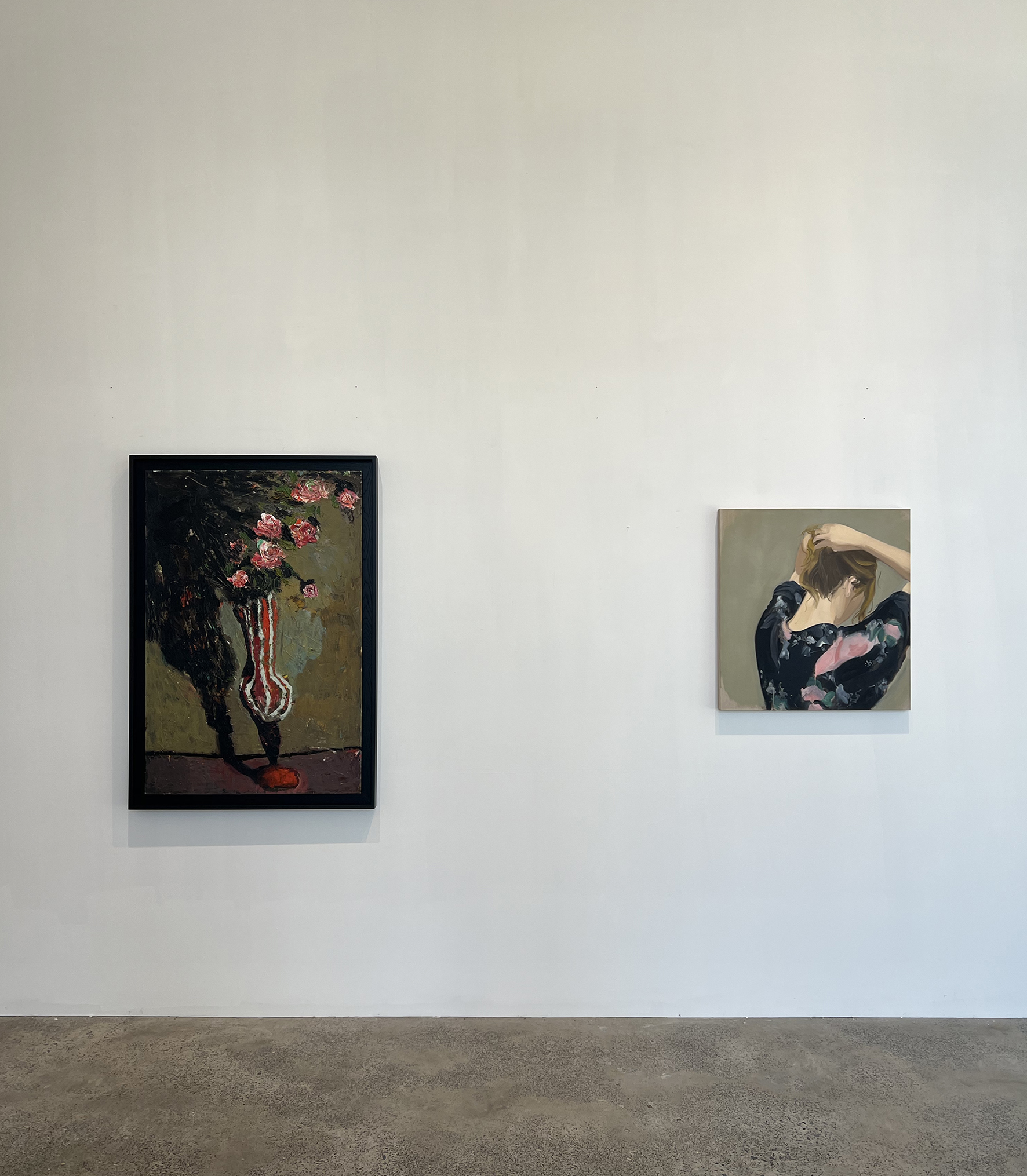
Rubin’s understatement serves his intimate surveillance of the figure. Rubin’s observations of the partially clad have a home-grown eroticism about them – a polaroid candour that celebrates and the privilege of privacy and the humanity of the subject.
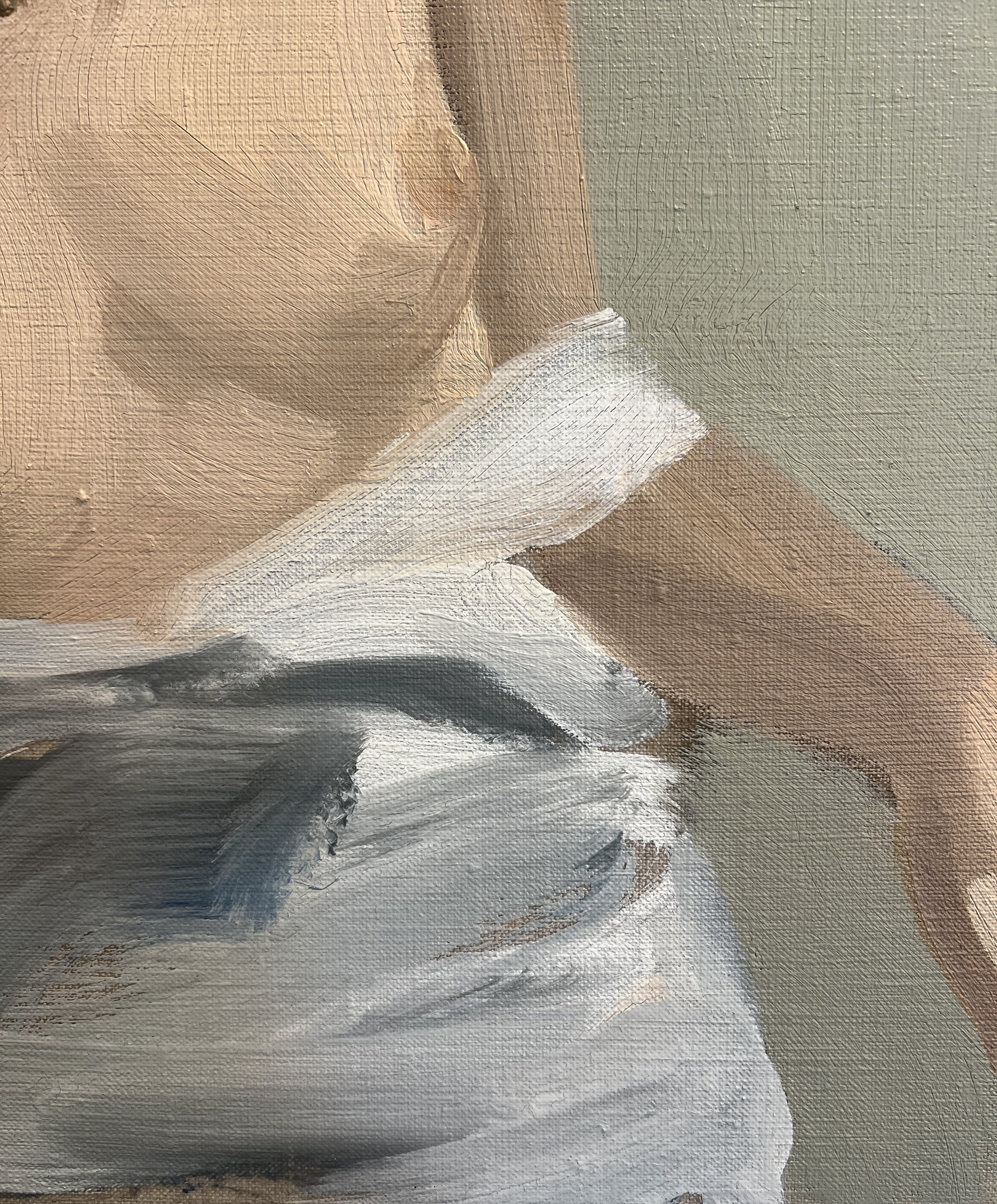
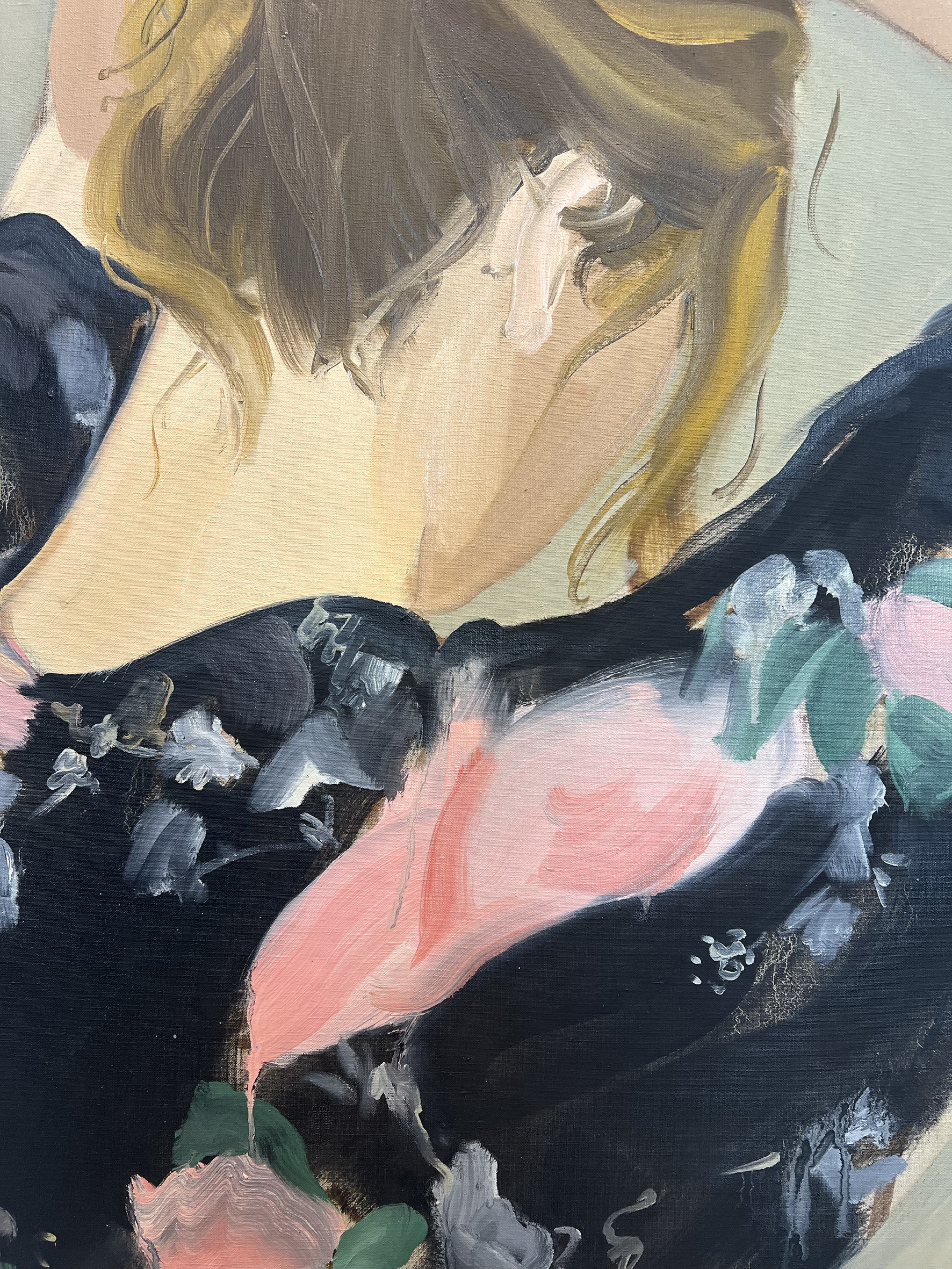
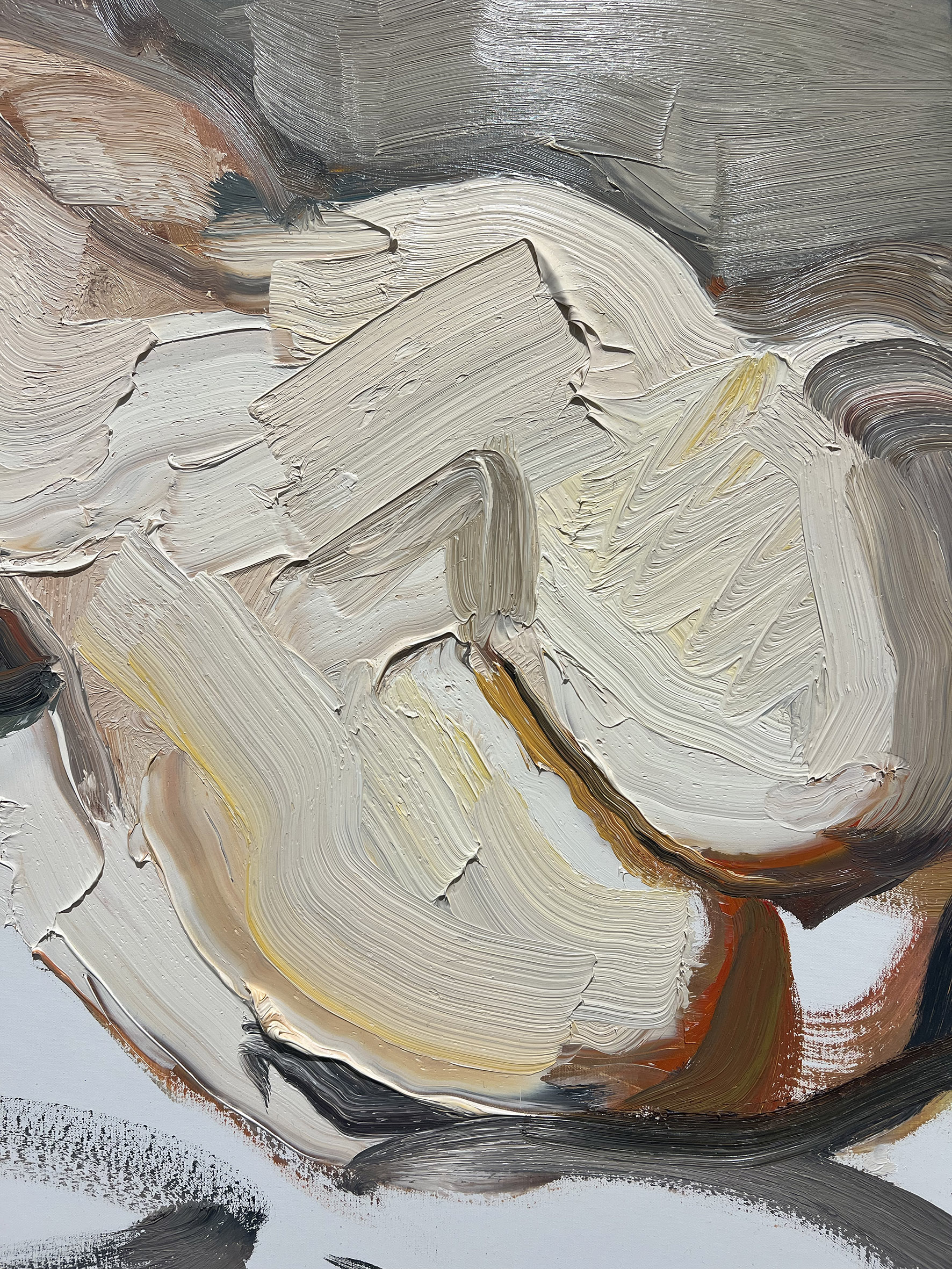
As alluring as his images are, it is the judgement about tone, the way that brushstrokes don’t describe form but simply become it, is extraordinary. There is a weightlessness to his touch where the gentlest of caresses guide the pigment, free of theatre, letting it rest within the fine linen weave.
Each of Rubin’s paintings is simultaneously portraiture and not. The anonymity of his sources reflects a deeper symbolic namelessness and yet they are anything but absent of deportment and soul.
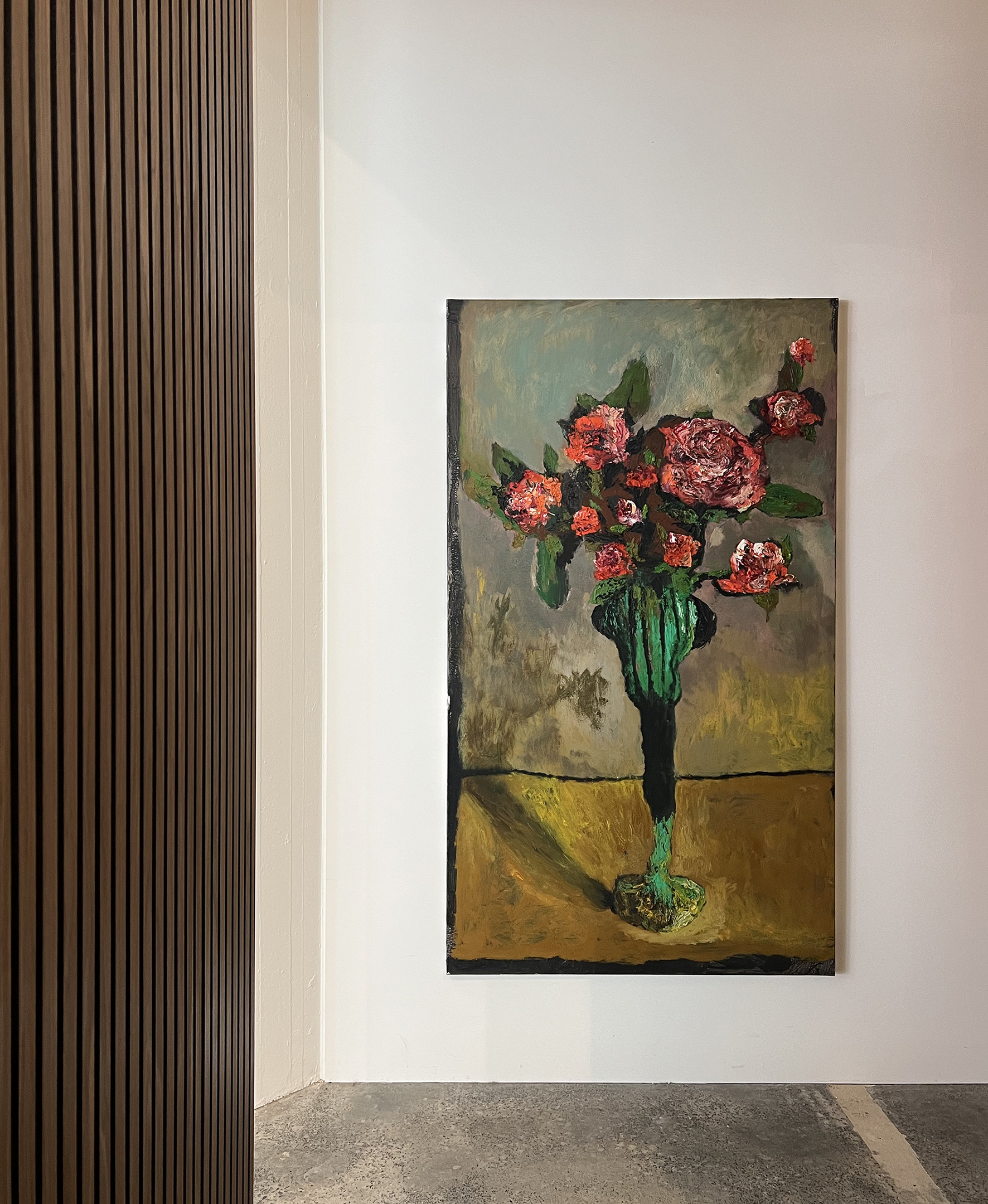
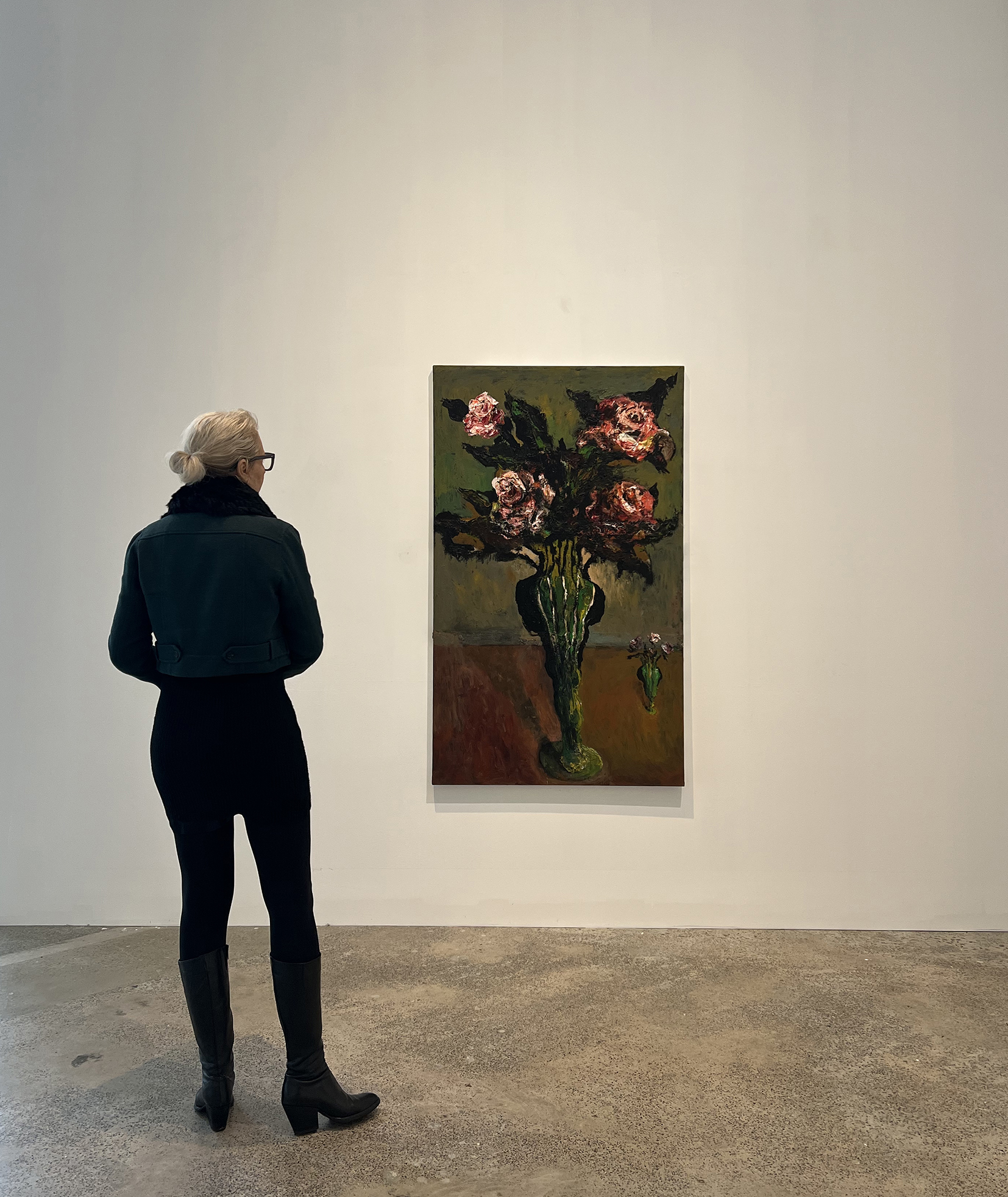
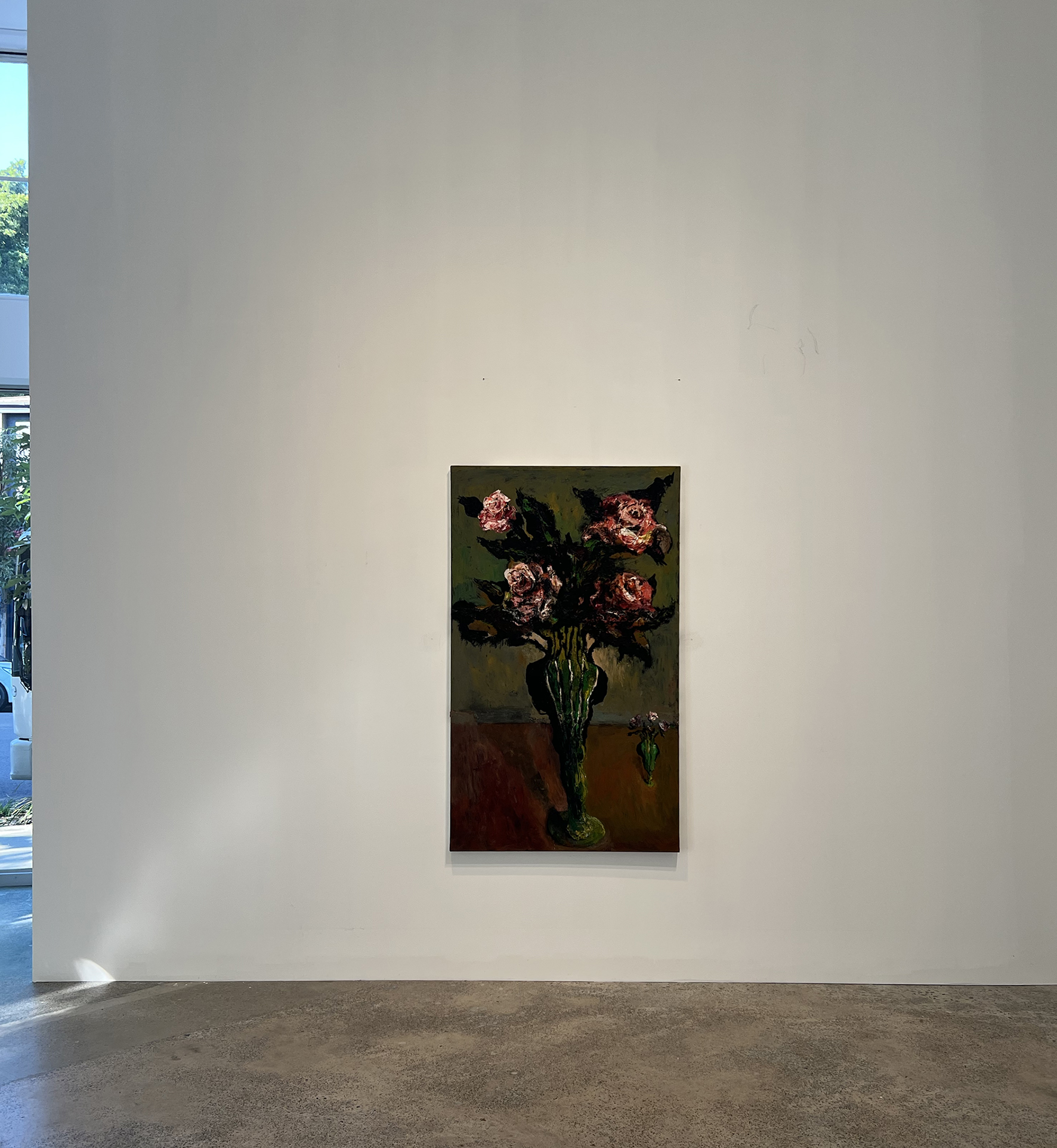
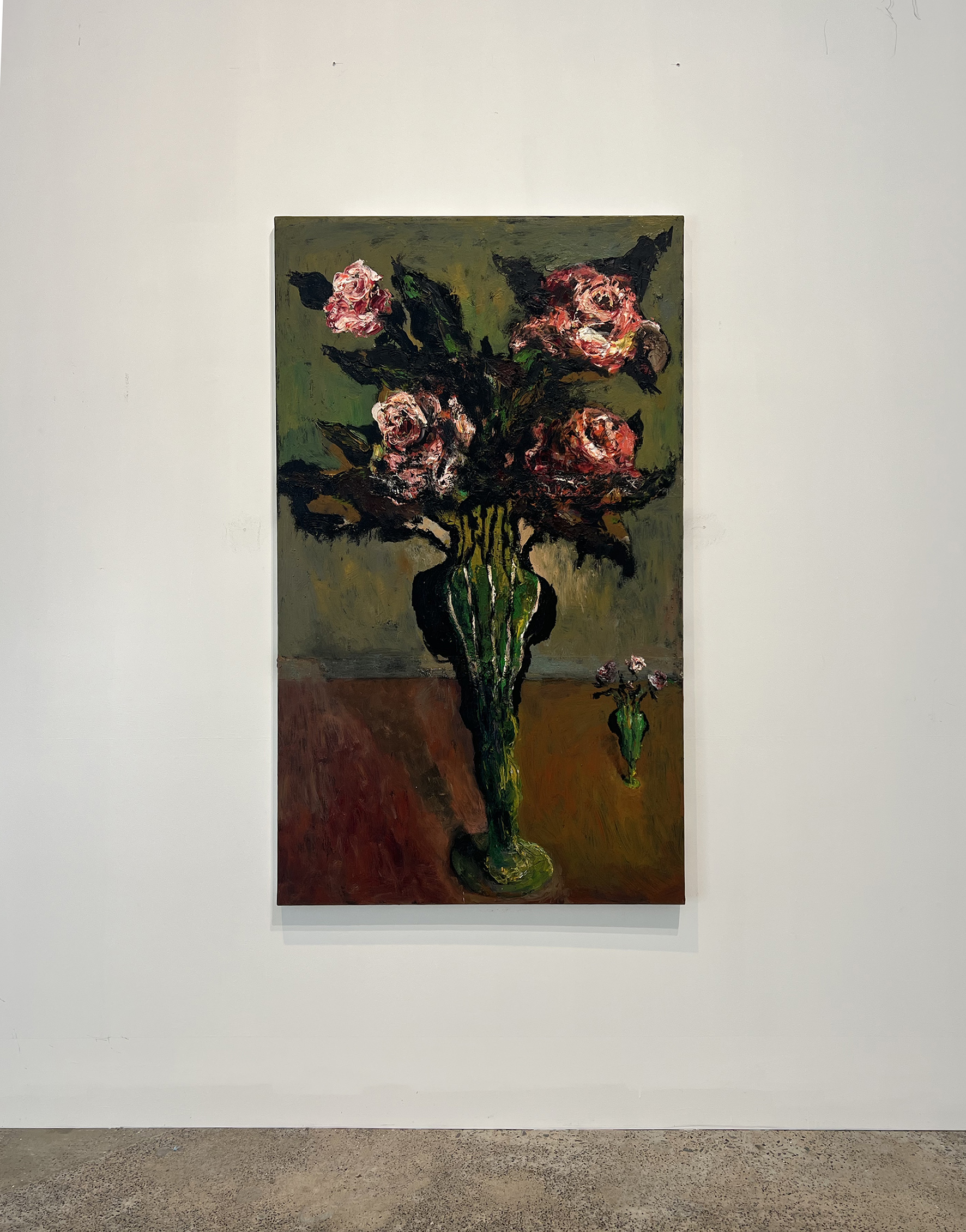
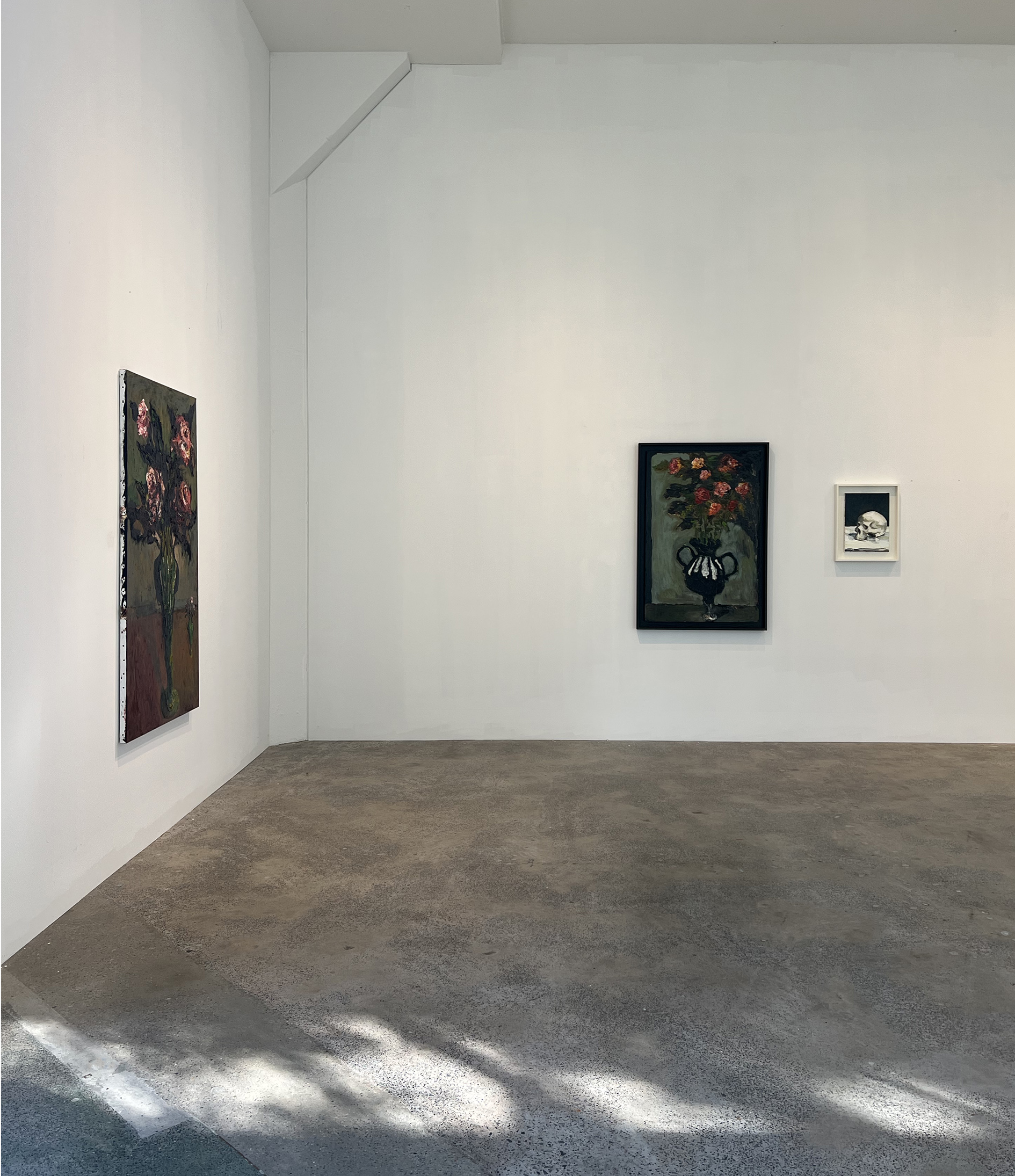
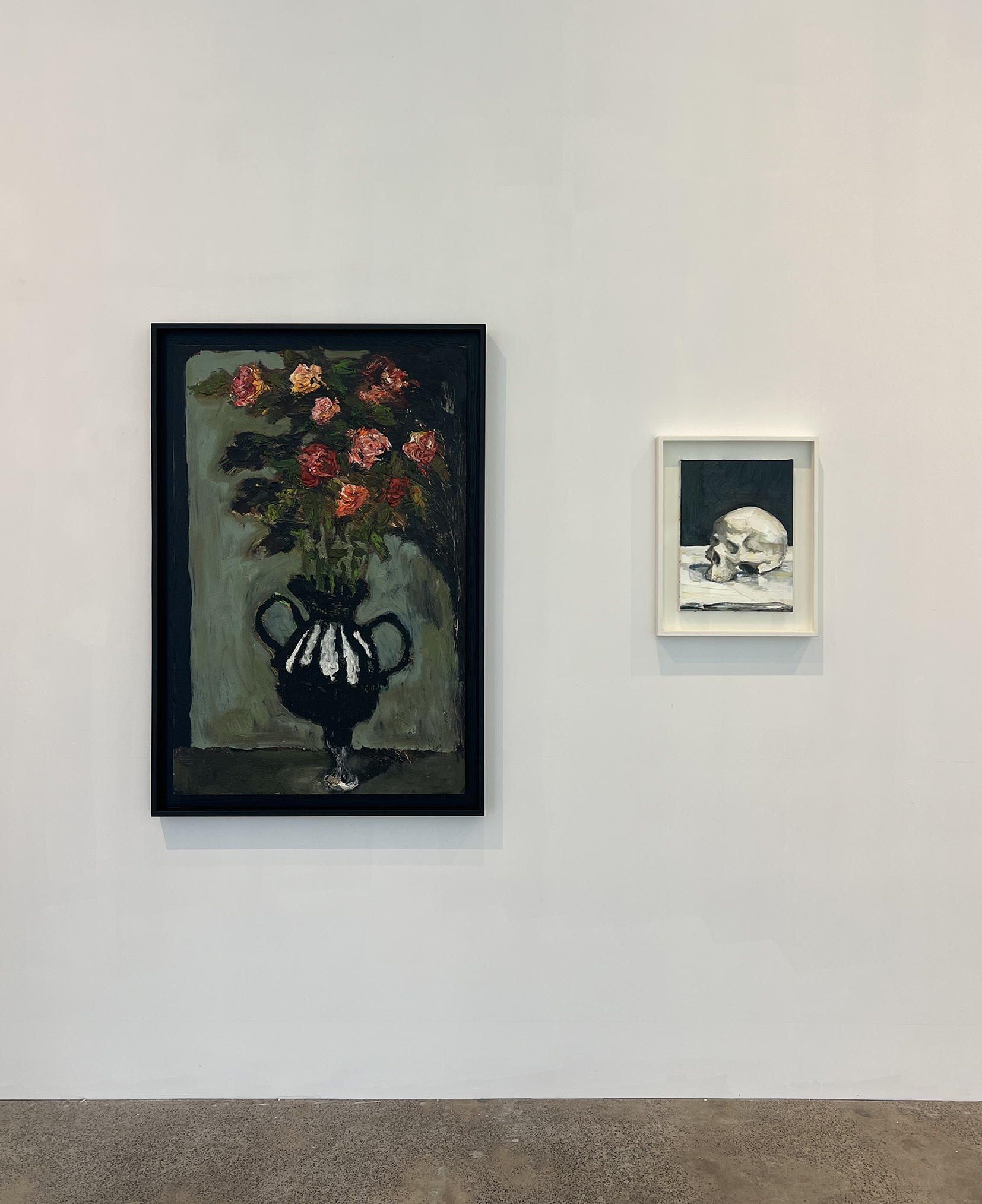
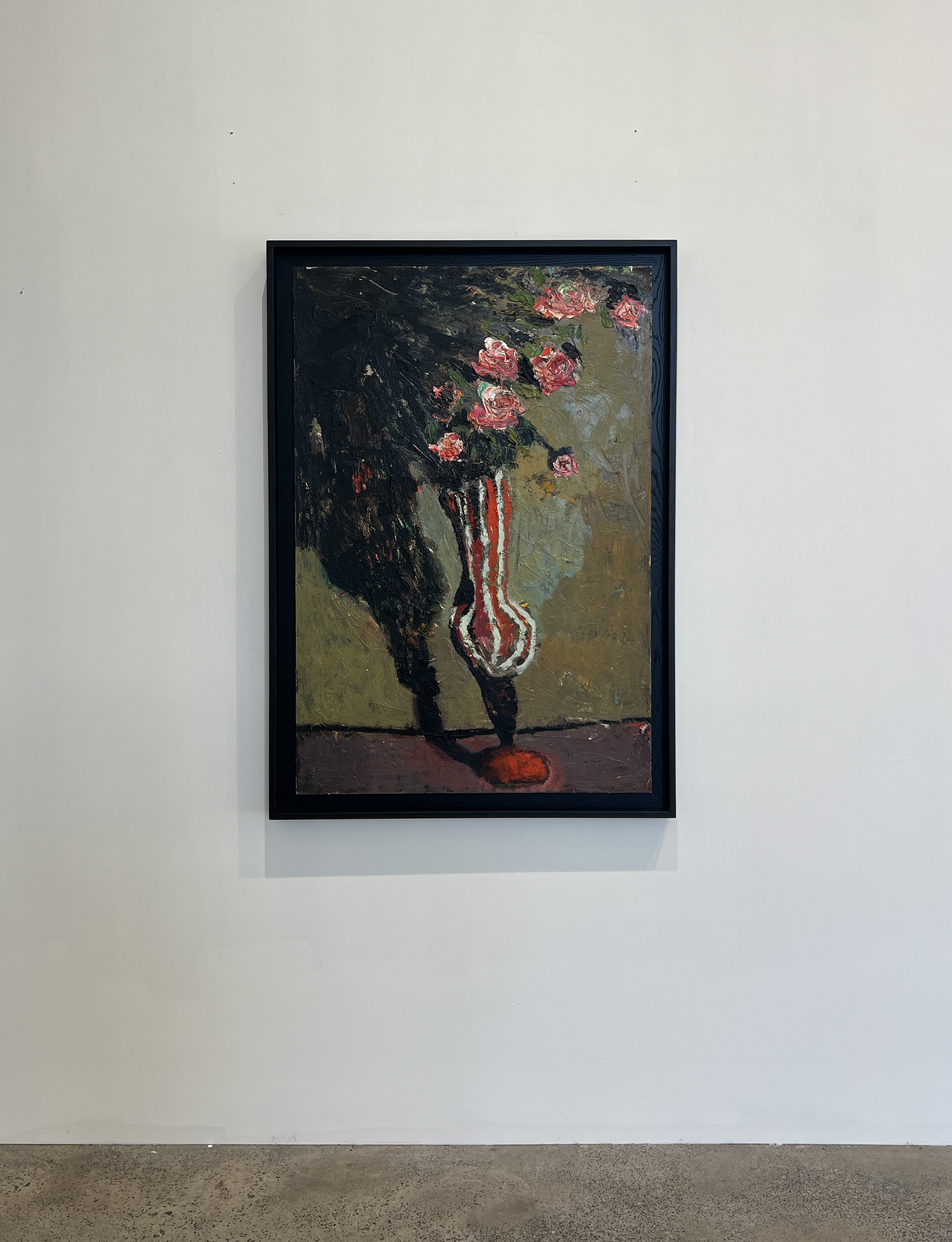
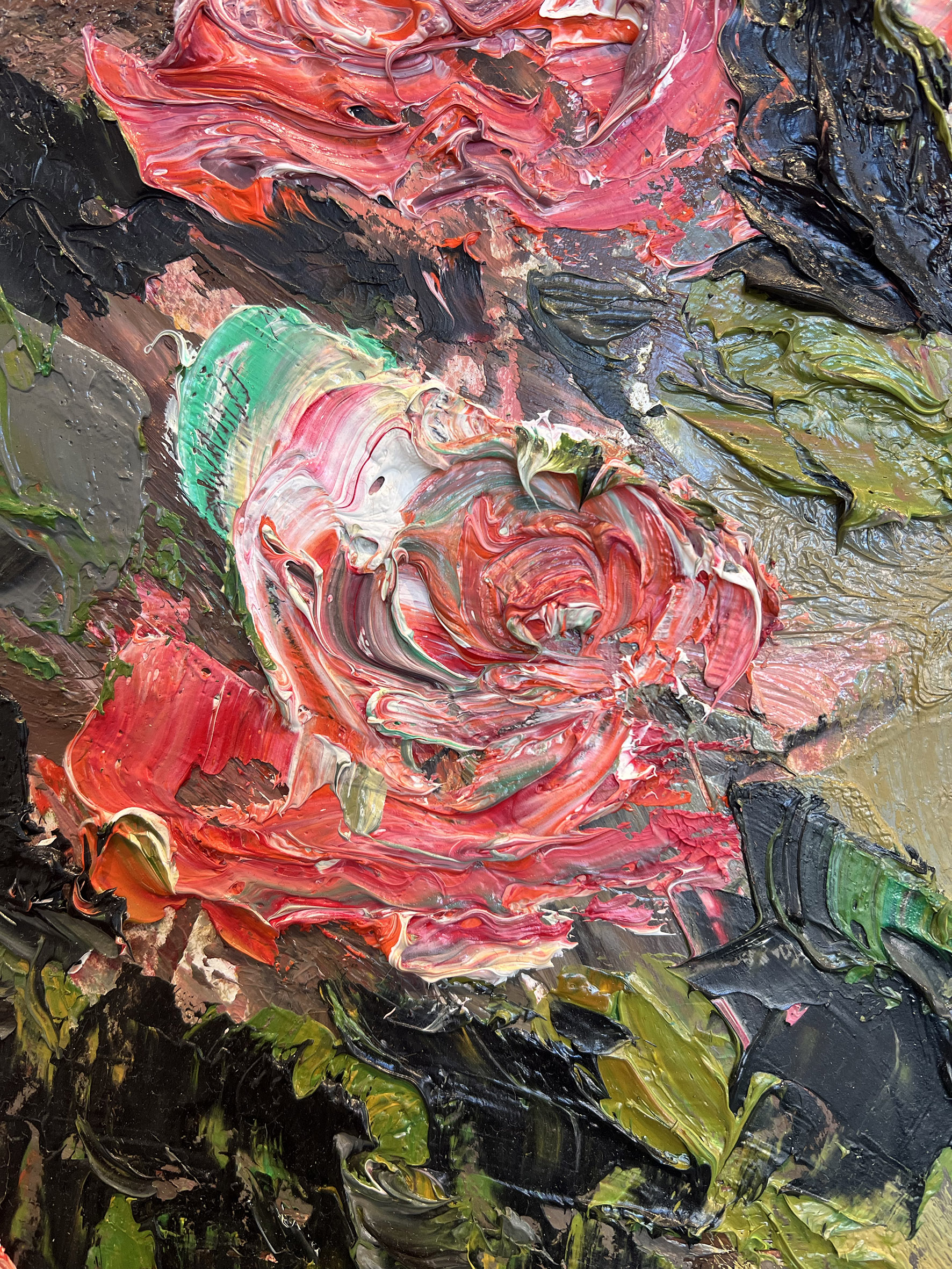
Niyaz Najafov makes Still Life paintings but clearly there is little, if anything, that is ‘still’ about these extraordinary works. His fecund blossoms lean dangerously out over the rims of his precocious, wonky vases so much so that any sense of visual stability vanishes and with that the comfort that a polite floral arrangement should instil.
With most Still Life painting being determinedly domestic, such large and carnivorous arrangements feel antithetical. In the hands of Morandi, certainly one of the greatest Still Life painters, the composition of his works was held together by unexpected compositional gymnastics, routines and arrangements that defy logic but given the latitude that painting grants vision, they made all the sense in the world.
Morandi’s use of softer, tonal arrangements bestows the paintings with a calmness and poise, despite their structural whimsy. Najafov however, prefers the painterly outrage and volatile viscosity of Soutine. His blossoms are whipped into a frenzy of colour and tactility. They simultaneously appear fully hydrated yet set to flare, erupting like small volcanoes of molten colour.
And turn away from them for a second and one senses them shifting within the picture frame, creeping, triffid-like towards us… like Seymour, they are begging to be fed.
My first encounter with Niyaz’s paintings was at the home and studio of Sofie Muller in Ghent. A small, postcard sized painting was resting on the piano. Each time I passed it, I was transfixed by its muscularity, but also its unexpected elegance. Najafov can really paint and clearly, he can draw. The combination of such flamboyant, graphical ability and such a capacity with oil paint feels uncommon. But what is perhaps most compelling about these works is the way that they carry an emotional and psychological burden, an intensity that is reflected in their wild material life but ultimately, they transcend this weight and one is left to revel in his electric facility.
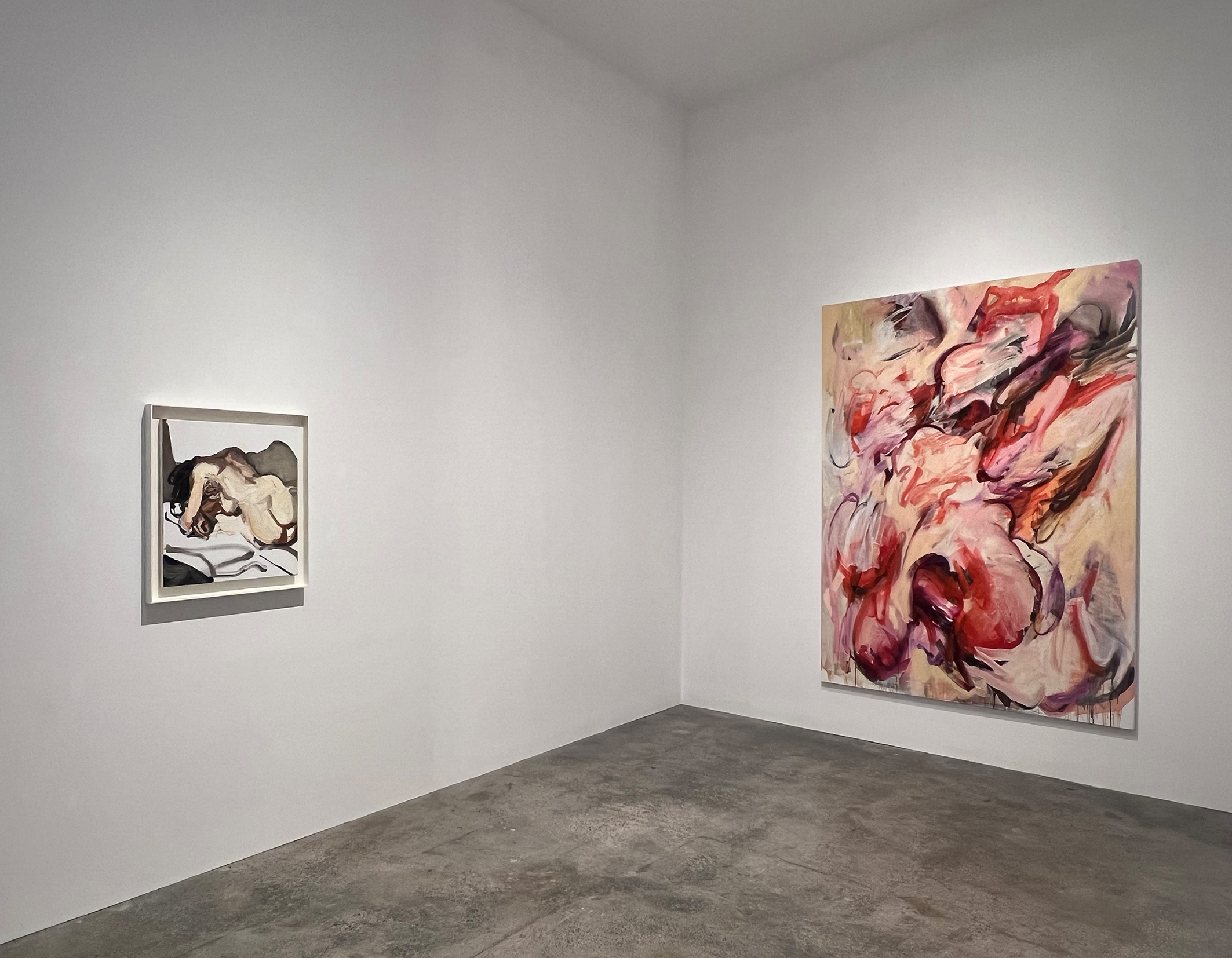
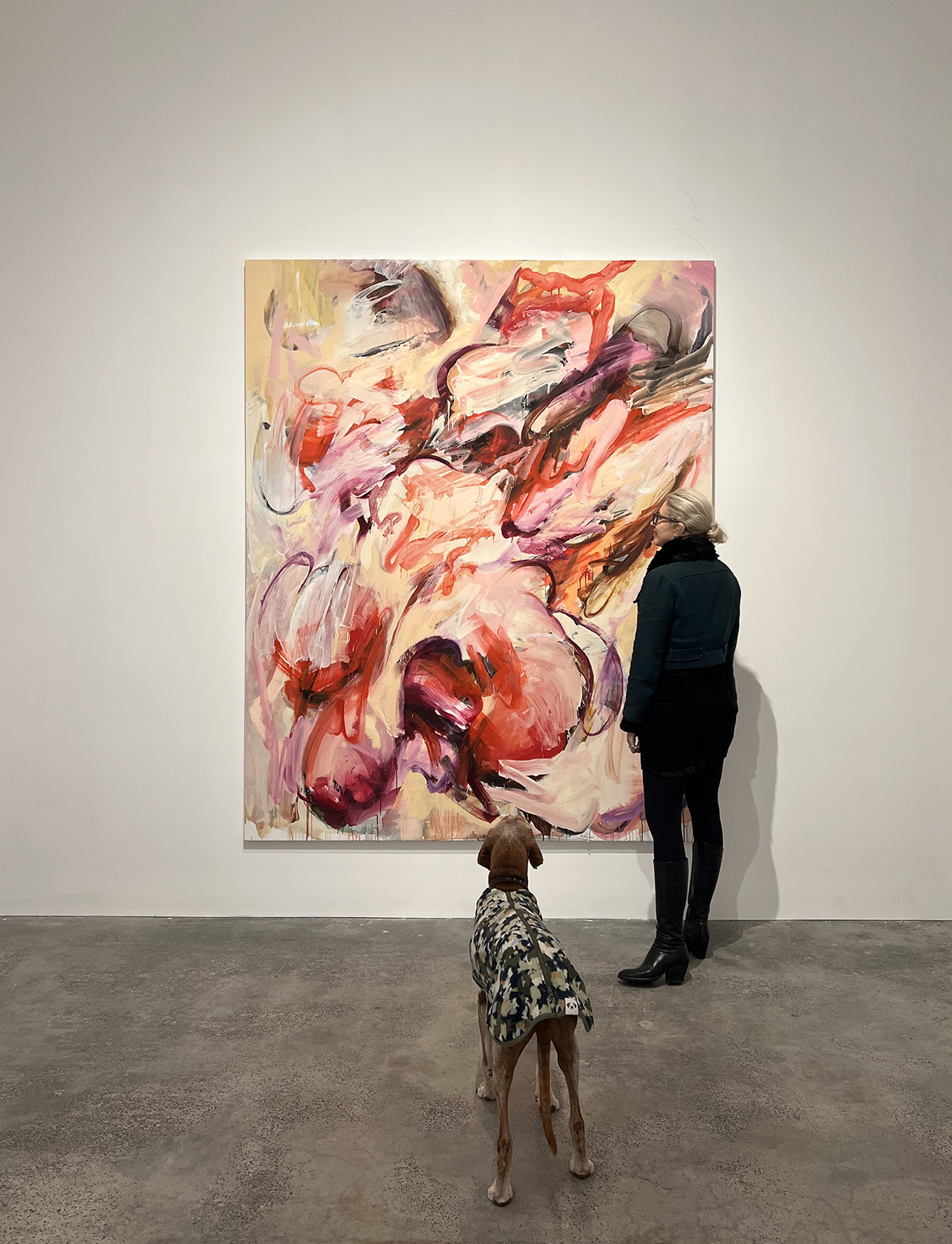
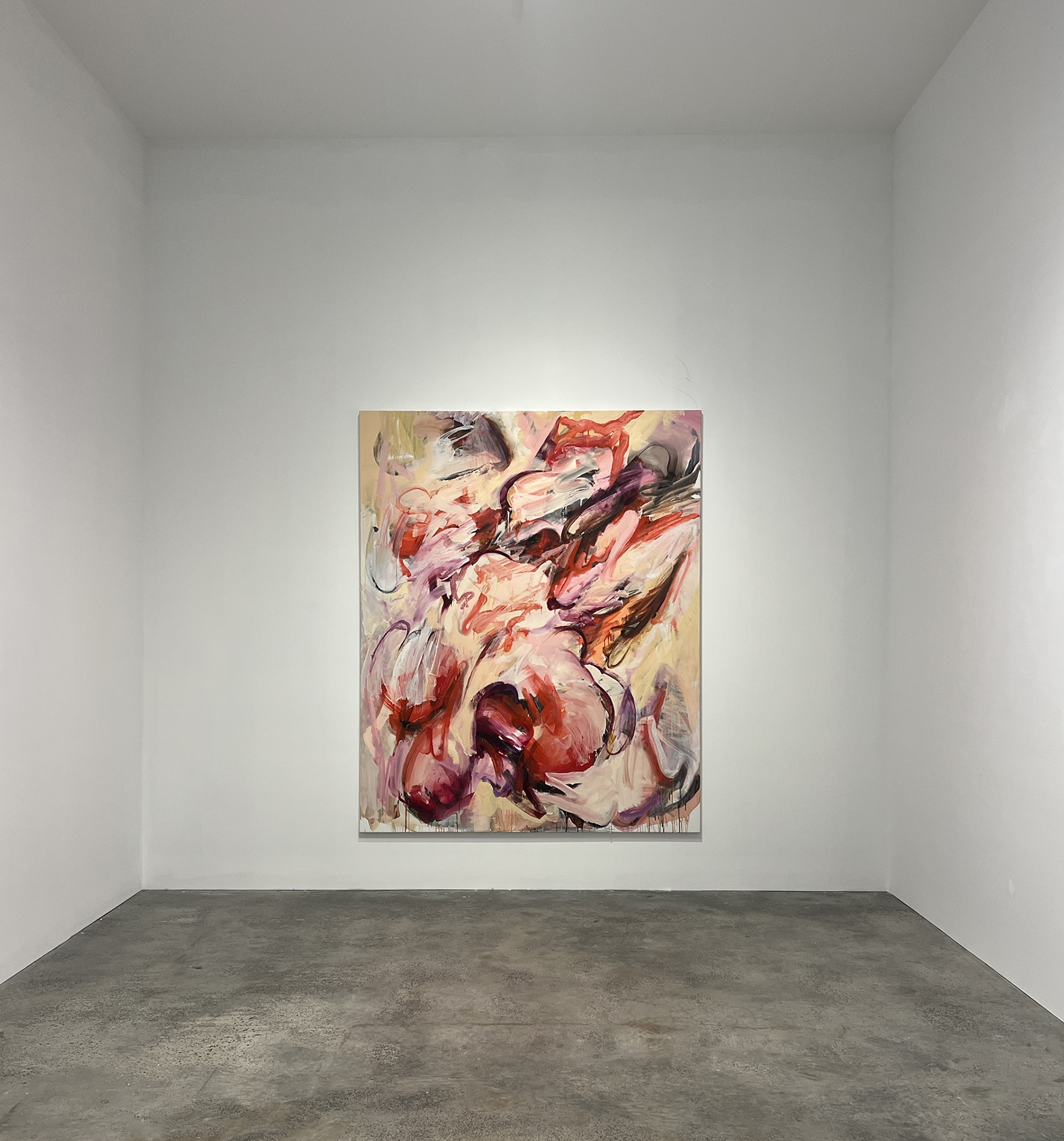
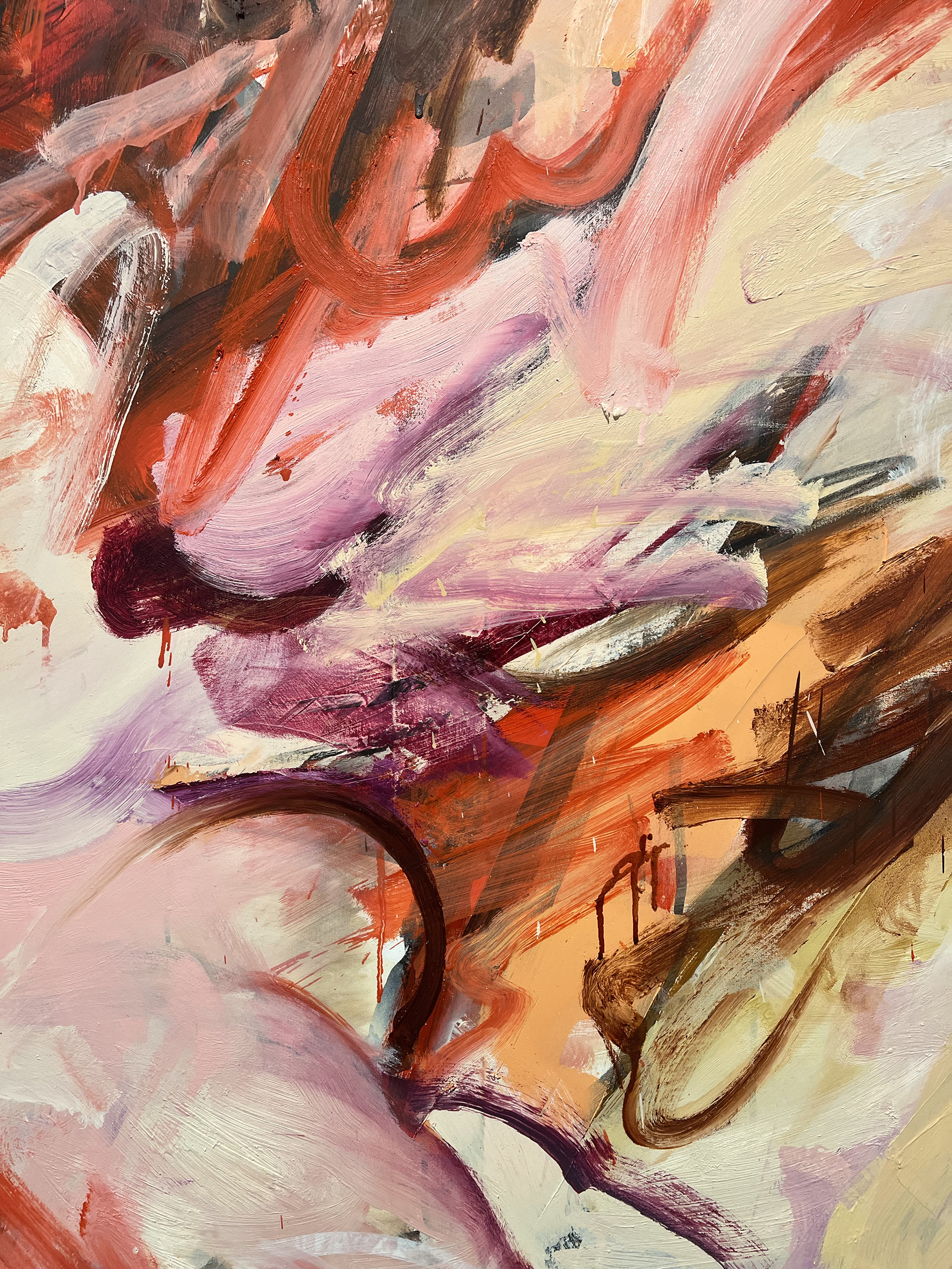
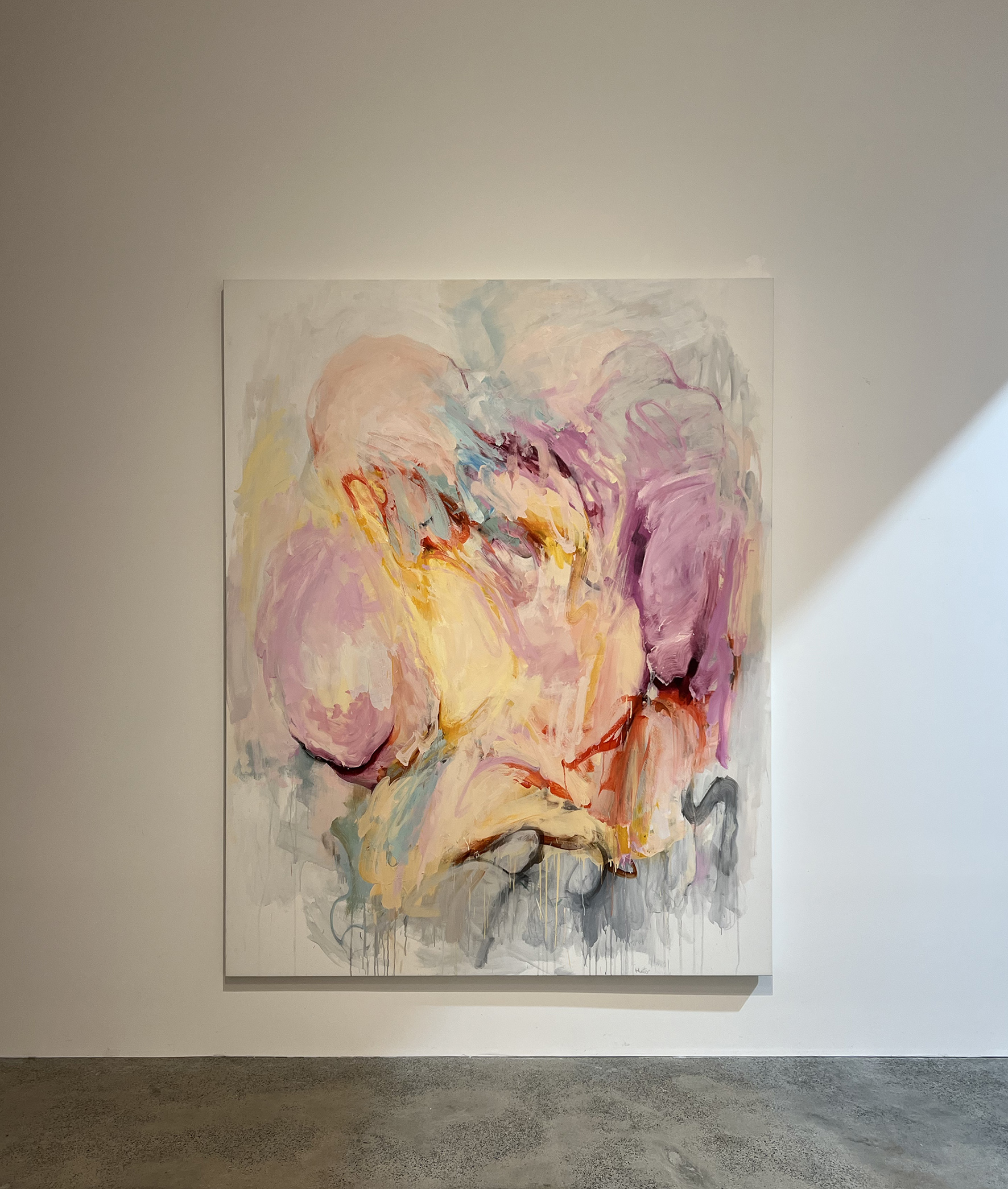
Speaking of electric facility, Todd Hunter is a painter with a voltaic gesture that gives his paintings a dynamism and energy that is compelling. Like Najafov, Hunter draws as a matter of daily routine. Each workday is book-ended with drawing. For Hunter it is a fundamental orienteering process, one that is much more than note taking/making for painting. Though the DNA of every painting is inferred from his drawing, paintings bring their own specific demands, and each must be solved according to those, rather than the swifter schematics that drawing might provide.
Having said that, we can see in many of Hunter’s newest paintings that drawing, or at least the forensics of it, are increasingly visible. The desire for paint to fill the field has quietly lessened and the role of colour and gesture in shaping deeper form has grown.
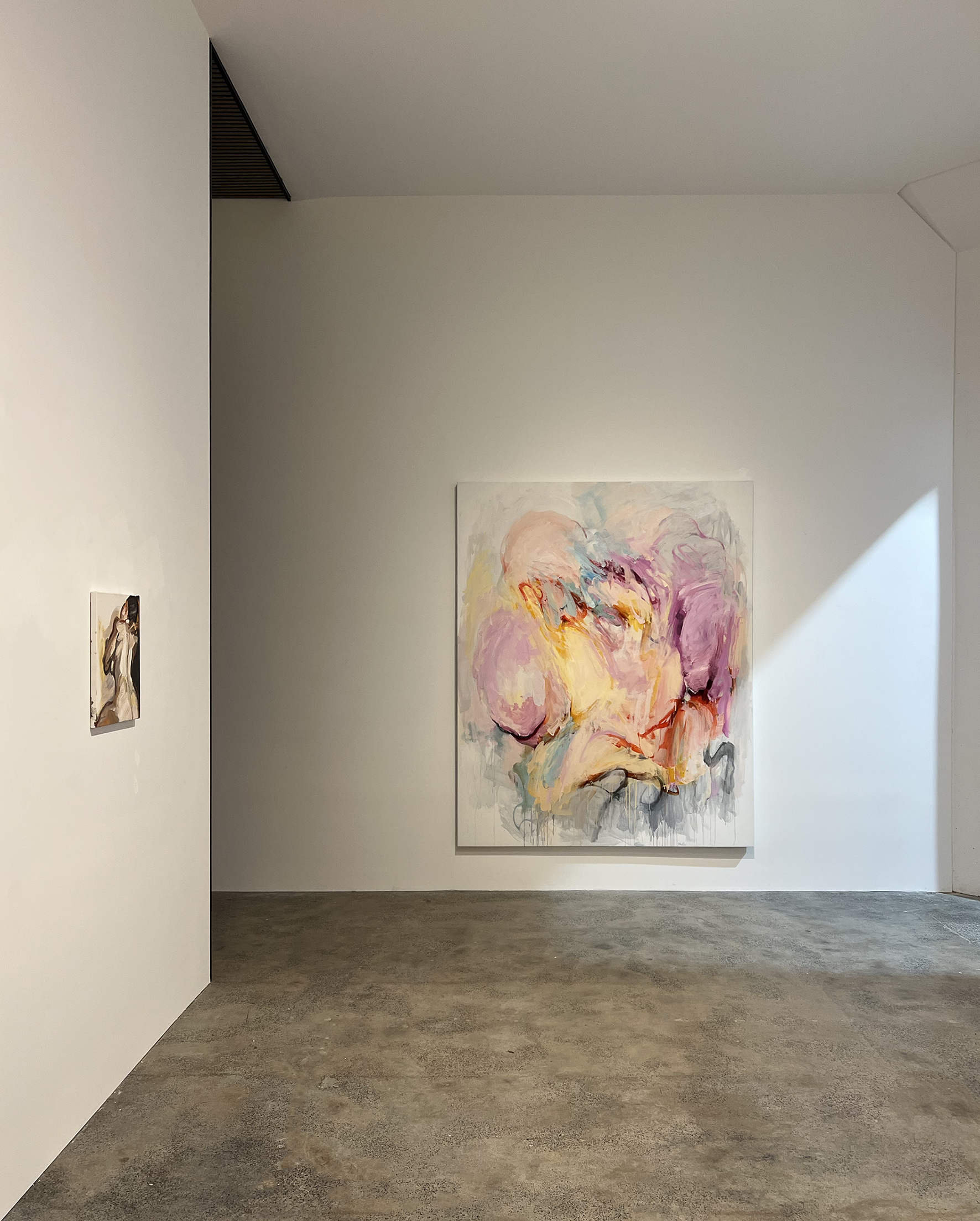
In Ripe we see grand new paintings of Hunter’s that allow his mostly discrete figuration to become more evident. In a sense Hunter has long conflated the landscape and the figure producing paintings that are a magnetic amalgam of both genres. The sweeping gesture is more aligned to the curve of human form, the jagged staccato gestures and the saturated colour are more agitated and rustic.
Alongside these two new paintings we will present a suite of drawings that demonstrate just how marvellous Todd Hunter’s first and last light of day efforts are and give us insight into the regime of observation and response.
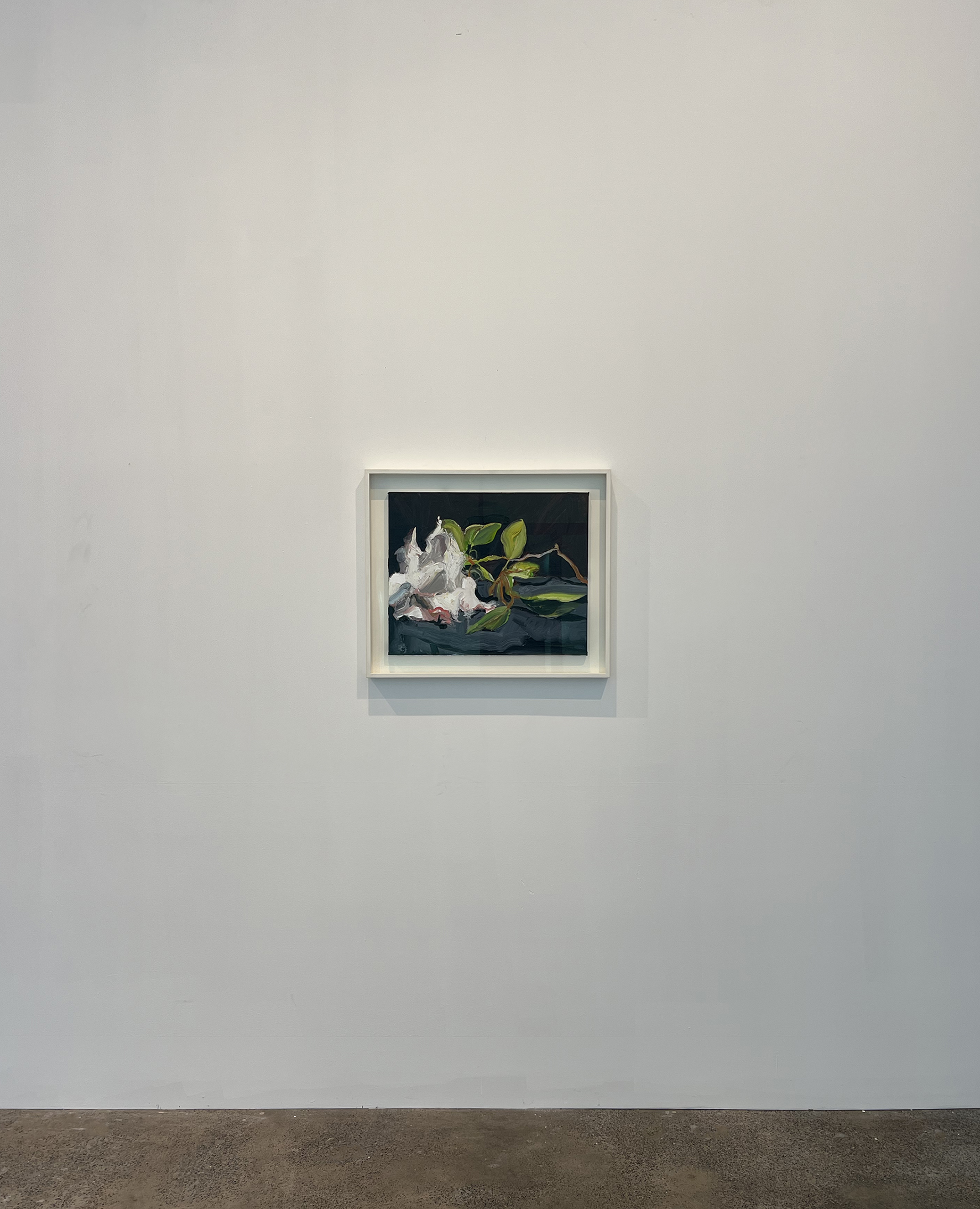
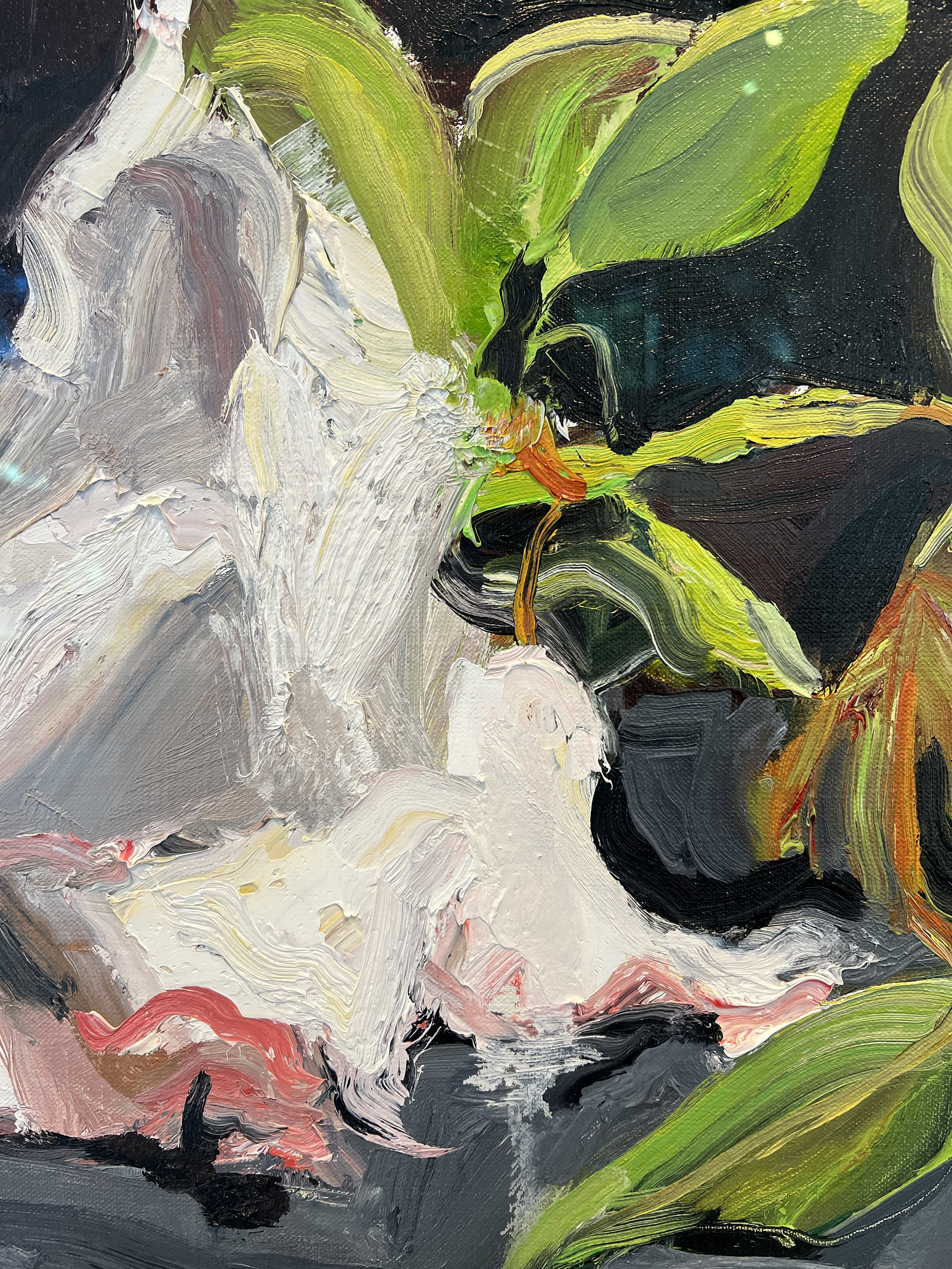
Robert Malherbe’s eye is perhaps more ecumenical than either that of Hunter or Najafov. A swift painter of the landscape ‘plein air’, a saturated blossom or the curve of a hip or a breast, Malherbe brings the same velocity and immediacy to his brushwork. Whatever his gaze is upon he relies on a reservoir of looking so each new painting is informed by a long line of observation and judgement.
Though Malherbe’s Still Life compositions are not as wildly anthropomorphic as Najafov’s, nor his gesture as spikey as Hunter’s they share a common energy and love of the material. Looking at Malherbe’s works it is evident that he loves paint and its capacity to be compliant… and not. Each work has a compression, a density to it… psychologically different, certainly to Najafov’s theatre of unease, Malherbe’s works have a celebratory feel to them. It is as if the paint wants very much to be complicit in this making. I’m sure that often it is not and that the choice to paint, to move quickly and to risk something in pursuit of something greater is not easy at all, but these paintings have made a bargain with joy and with vision, knowing full well that both are fugitive states – but that by the act of painting we can arrest that moment for a time.